Rising energy bills are straining businesses, especially for those managing commercial buildings. Higher electricity costs cut into margins and complicate budgeting. As power usage increases, even minor rate hikes can have a significant impact, prompting questions about the viability of relying solely on the grid.
In California, concerns about energy costs are justified. The average commercial electricity rate is 101% higher than the national average, and prices have steadily increased over the past decade. As facilities operate equipment, lighting, and climate control continuously, these rising costs make energy one of the most unpredictable operating expenses.
In this blog, we’ll explore what commercial solar is, how it works, the types of systems available, typical costs, key benefits, common challenges, and how to decide whether it makes sense for your building. The goal is to help you evaluate whether commercial solar can offer a more stable, long-term approach to managing energy costs.
Key Takeaways:
Commercial electricity costs in California are significantly higher than the national average, making energy a growing expense for many businesses.
Commercial solar systems generate on-site power, reducing reliance on utility electricity and lowering long-term costs.
System pricing varies by building, usage, and design, with larger installations often offering better value per watt.
Installation follows a clear process, from site review and permits to grid connection and ongoing monitoring.
Commercial solar tends to make the most sense for businesses with high daytime energy use, available space, and long-term occupancy plans.
What Is Commercial Solar and How Does It Work?
Commercial solar refers to solar power systems designed for businesses, industrial facilities, and commercial properties. These systems are built to handle higher energy demand than residential setups and are sized based on a building's daily electricity use. The goal is simple: generate on-site power to reduce reliance on the utility grid and lower long-term electricity costs.
How Does Commercial Solar Work?
At a high level, a commercial solar system converts sunlight into usable electricity for your building. The process is straightforward:
Solar panels capture sunlight and convert it into direct current (DC) electricity
Inverters convert DC power into alternating current (AC), which is what commercial buildings use
Electricity is used on-site first, reducing how much power you buy from the utility
Any excess power flows back to the grid, depending on system design and local regulations
Meters track production and usage, providing clear data on system performance and savings
After learning the basics of how commercial solar works, it helps to compare the installation types commonly used across different commercial properties.
Also Read: 5 Reasons to Go Solar
Commercial Solar System Options for Business Properties
Commercial solar systems are not one-size-fits-all. The right setup depends on your building layout, available space, zoning rules, and energy needs. Understanding the main installation types helps you see which options may fit your property and why some systems work better than others.
Below are the most common types of commercial solar installations used by businesses today.
Rooftop Solar Systems
Rooftop systems are installed directly on commercial buildings and are often the first option businesses consider. They work well for properties with large, unobstructed roof space and steady daytime power use. Here are the key characteristics:
Uses existing roof space: Panels sit on flat or pitched roofs without taking up land
Closer to energy use: Power is generated where it’s consumed, reducing grid reliance
Lower visual impact: Panels are less visible from ground level
Common for offices and retail: Frequently used in warehouses, schools, and shopping centers
Ground-Mounted Solar Systems
Ground-mounted systems are installed on open land near a commercial facility. These are often chosen when roof space is limited or unsuitable. Here are the main features:
Flexible placement: Panels can be positioned for optimal sun exposure
Easier access: Systems are simpler to inspect and clean at ground level
Scalable design: Allows for larger system sizes as energy needs grow
Best for large properties: Often used by industrial sites and agricultural operations
Solar Carports and Canopies
Solar carports place panels above parking areas, turning unused space into power-generating surfaces. They serve two purposes at once. Here’s what sets them apart:
Dual use of space: Generates power while covering parked vehicles
Added customer value: Provides shade and weather protection
No roof modifications: Avoids structural concerns tied to older buildings
Popular for high-traffic sites: Common at offices, hospitals, and campuses
Regardless of installation style, commercial solar systems deliver advantages that directly affect operating expenses and long-term planning.
Also Read: Beyond the Roof – Benefits of Ground-Mounted Solar Panels
6 Key Benefits of Commercial Solar for Business Owners
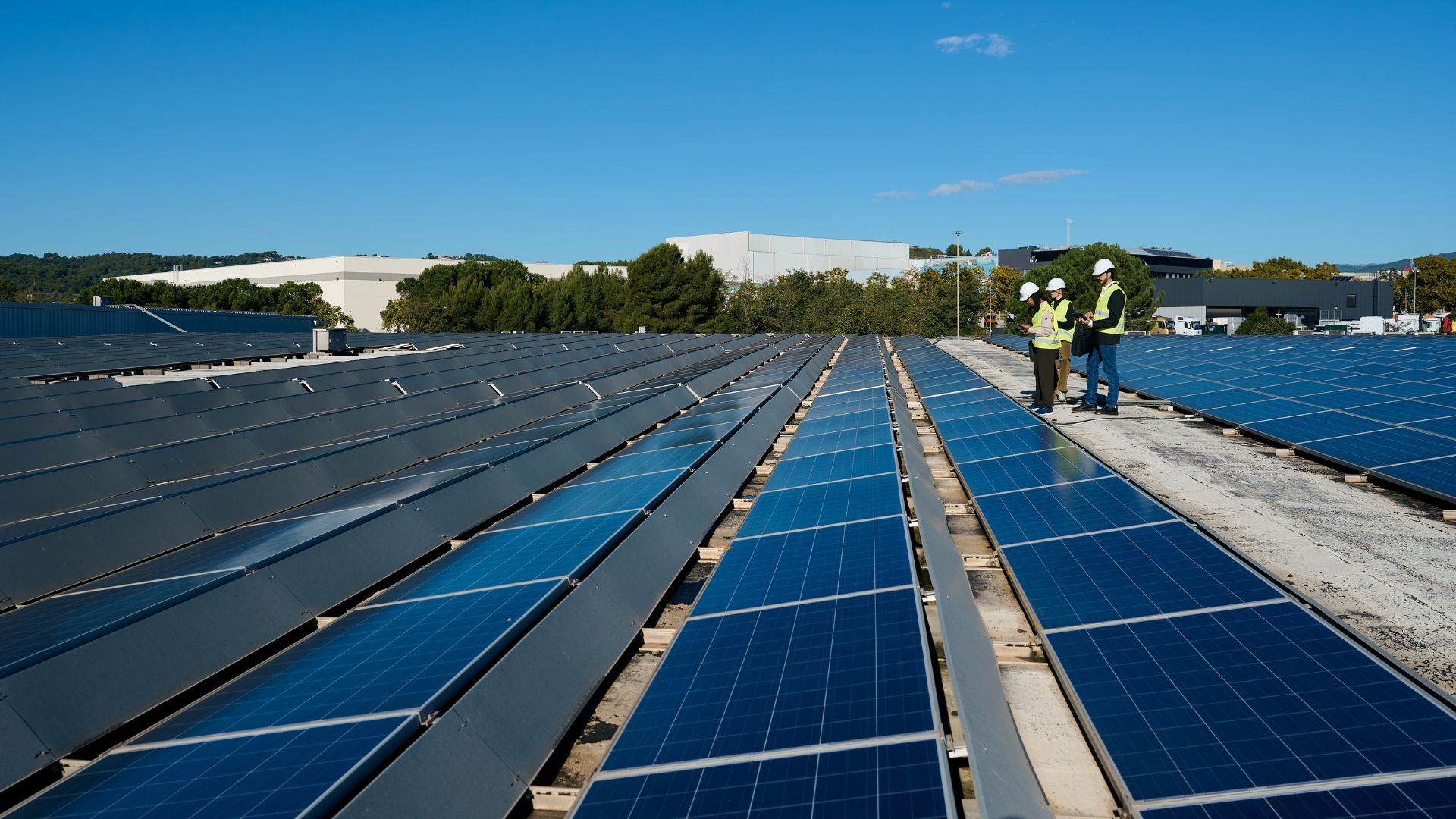
For many businesses, electricity is a fixed expense that feels out of their control. Commercial solar offers a way to take ownership of part of that cost while increasing monthly operating expense predictability. Here are some of the most meaningful benefits businesses consider when evaluating commercial solar.
Here are the key advantages:
Lower electricity bills: Producing power on-site reduces the amount of electricity you need to buy from the utility, leading to noticeable monthly savings over time.
More predictable energy costs: Solar helps offset exposure to future rate increases, making long-term budgeting easier for energy-intensive operations.
Improved cash flow over time: Once the system is in place, the cost of generating power remains stable, unlike utility pricing, which can rise year after year.
Reduced reliance on the grid: On-site generation enables your building to meet a portion of its daytime power demand without relying entirely on external suppliers.
Environmental responsibility: Using solar power reduces carbon emissions associated with your operations, supporting sustainability goals that matter to many customers and partners.
Stronger brand perception: Businesses that invest in solar often appeal to environmentally conscious clients, tenants, and employees who value responsible energy choices.
Understanding the value is one part of the equation, but cost plays a central role in deciding whether commercial solar makes sense.
Also Read: The Advantage of USA-Made Solarworld Panels For Your Home or Business
How Much Does Commercial Solar Cost?
There is no fixed sticker price for commercial solar. Every building uses electricity differently, and system pricing depends on the system's design capacity, measured in watts, along with site-specific factors such as roof type, electrical capacity, and construction needs.
In California in 2026, commercial solar systems typically range from $2.50 to $4.00 per watt before incentives, which is higher than the national average due to labor costs, permitting requirements, and local regulations.
While the upfront figure can look high, the net cost drops once incentives like the 30% Federal Investment Tax Credit (ITC) and depreciation benefits are applied. Larger systems also benefit from lower cost per watt, which improves value at scale.
Here are the estimated commercial solar costs for California businesses in 2026:
System Size | Typical Business Type | Estimated Gross Cost (CA) | Estimated Net Cost (After 30% ITC) |
25 kW | Small office, gas station, retail shop | $62,500 – $100,000 | $43,750 – $70,000 |
50 kW | Medium warehouse, large restaurant | $125,000 – $200,000 | $87,500 – $140,000 |
100 kW | Manufacturing facility, school | $250,000 – $400,000 | $175,000 – $280,000 |
250 kW | Large industrial plant, distribution centre | $625,000 – $1,000,000 | $437,500 – $700,000 |
500 kW+ | Heavy industrial site, data centre | $1,250,000 – $2,000,000+ | $875,000 – $1,400,000+ |
Note: These figures are estimates and can change based on factors such as roof condition, electrical upgrades, system design, available incentives, and whether battery storage is included.
Incentives remain a major factor, including the federal ITC available through 2032 and state programs such as SGIP rebates for projects that include battery storage. Net metering rules under NEM 3.0 place greater value on on-site use of solar power, making system design and storage choices more important when estimating long-term returns.
Also Read: Buy or Lease Your Solar Panels? You need to know this.
After reviewing cost ranges, understanding the installation process helps clarify timelines, responsibilities, and how work impacts daily operations.
Steps Involved in Installing Commercial Solar Systems
Installing a commercial solar system follows a clear, step-by-step path designed to reduce uncertainty and keep your business operating as usual. Knowing what happens at each stage helps set expectations and makes the process easier to evaluate.
Here are the main steps involved:
Site assessment: Your building’s energy use, roof or land conditions, and electrical infrastructure are reviewed to determine system size and feasibility.
System design: Engineers create a custom layout based on available space, sun exposure, and power needs, along with detailed production estimates.
Permits and approvals: Required permits and utility approvals are submitted and reviewed to meet local building and interconnection rules.
Installation: Solar panels, inverters, and electrical components are installed, with work scheduled to limit disruption to daily operations.
Inspection and commissioning: The system is inspected, connected to the grid, and tested to confirm it is producing power as expected.
Monitoring and maintenance: Ongoing monitoring tracks performance, while routine maintenance helps keep the system operating as intended over time.
Even with a defined process, commercial solar projects can raise concerns that are worth addressing before making a final decision.
Common Challenges With Commercial Solar (and How to Overcome Them)
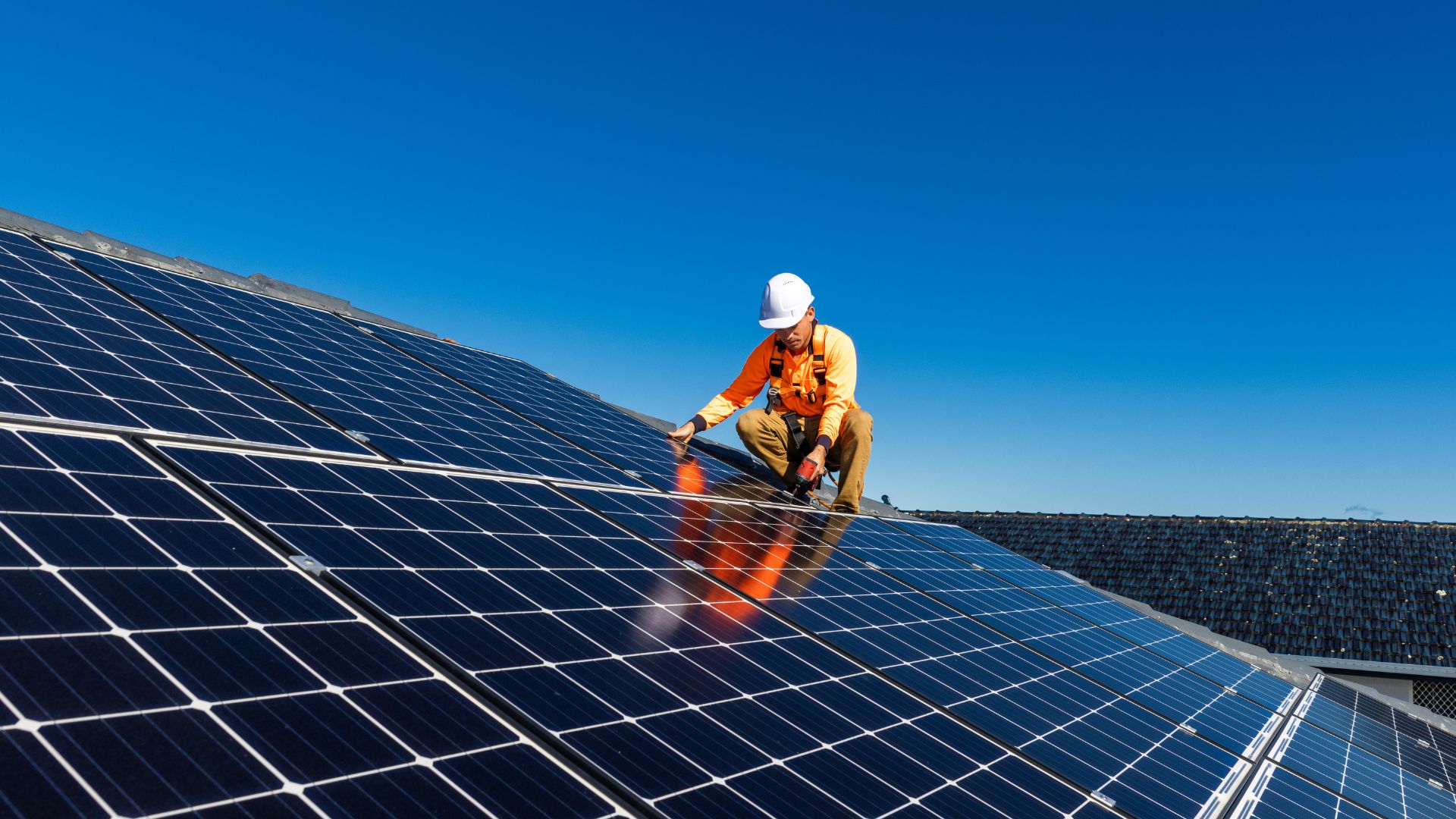
Commercial solar offers long-term benefits, but businesses often hesitate due to common concerns. Understanding these challenges upfront makes it easier to plan around them and avoid surprises during the decision process.
Here are the most frequent challenges and how they are addressed:
Upfront cost concerns: The initial investment can appear high, especially for large systems. Incentives, tax credits, and depreciation benefits can reduce the net cost and improve cash flow over time.
Permitting and approvals: Local building departments and utilities require multiple reviews before installation. Working with experienced professionals helps keep paperwork organized and timelines predictable.
Financing complexity: Choosing between cash purchases, loans, or other funding options can be confusing. Clear financial modeling helps compare long-term outcomes across different payment structures.
Operational disruption: Businesses worry about downtime during construction. Most commercial installations are planned to limit on-site impact and keep daily operations running.
Changing utility rules: Policies such as net billing can affect how excess power is credited. Designing systems with on-site usage and optional storage in mind helps protect long-term value.
Once common challenges are clear, you can better evaluate whether the benefits outweigh the concerns for your specific situation.
Is Commercial Solar Worth It for Your Business?
Whether commercial solar makes sense depends on how your building uses electricity and what you expect from the investment. For some businesses, the value is clear from the start. For others, it requires a closer look at operating patterns, space, and long-term plans.
Here are key factors that help determine if commercial solar is a good fit:
High daytime energy use: Businesses that operate during normal business hours tend to benefit more, as they can use solar power as it is generated.
Rising utility expenses: If electricity costs take up a growing share of your operating budget, generating part of your own power can help reduce exposure to future increases.
Available space: Roof area, open land, or parking structures make it easier to install a system sized to your needs.
Long-term occupancy plans: Businesses that plan to stay in their building for several years are more likely to see strong financial returns.
Access to incentives: Eligibility for tax credits and local programs plays a major role in overall value and the timing of payback.
If commercial solar appears to be a fit, the next decision centers on selecting a provider with experience and local knowledge.
Why California Home Solar Is a Trusted Commercial Installer
Choosing a commercial solar provider matters just as much as choosing the system itself. Experience, local knowledge, and long-term support all play a role in how well a project performs over time. California Home Solar focuses on commercial projects across Los Angeles and Southern California, emphasizing cost control, reliability, and clear communication.
Here are key aspects that define their approach:
Decades of industry experience: With over 36 years in construction and solar-related work, projects are handled with a strong understanding of building standards, electrical systems, and long-term performance expectations.
Full A-to-Z project handling: From initial site review and system design to permits, installation, and grid connection, all phases are managed under one roof to reduce handoffs and confusion.
Local permitting knowledge: Familiarity with Los Angeles–area building departments and utility requirements helps reduce delays tied to approvals and inspections.
Flexible system options: Businesses can choose from rooftop, ground-mounted, and solar-plus-storage systems based on available space, usage patterns, and budget.
Ongoing monitoring and support: Systems include performance tracking and long-term support to help ensure production stays on target after installation is complete.
Many business owners point to clear communication and cost savings as deciding factors. One customer shared:
“Highly recommend. We had a great experience working with CHS. Their bid was less than other companies, everything was done well and on time, with a lot of communication. We feel good about having solar panels — our bills are much lower now and we appreciate the environmental impact.”
-- KD Monteza
This combination of experience, local focus, and end-to-end service is designed to support businesses looking for dependable commercial solar solutions in California.
Wrapping Up
Commercial solar offers a practical way to take control of rising electricity costs and create greater predictability in your operating budget. By understanding how systems work, what they cost, and which businesses benefit most, you can make a more informed decision about whether solar fits your building and long-term plans.
For many California businesses, the combination of high utility rates and available incentives makes this a conversation worth having sooner rather than later.
If you’re ready to explore your options, contact us today to schedule a consultation and get answers based on your property, usage, and goals.
FAQs
Will installing commercial solar affect my roof warranty or building insurance?
Solar installations typically require coordination with roof warranties and insurance policies. In many cases, warranties remain valid when panels are installed correctly, and insurers simply note the added equipment. It’s wise to review coverage terms before installation to avoid surprises later.
What is a commercial solar collector?
A commercial solar collector is a component designed to capture sunlight and convert it into usable energy for business applications. In most commercial power systems, this refers to photovoltaic (PV) panels that produce electricity. In some facilities, the term can also describe solar thermal collectors that use sunlight to heat water or air for space heating, process heat, or hot water.
What is the 20% rule for solar panels?
The 20% rule is a general guideline used in system planning that suggests solar panels often operate at around 15–20% conversion rates under standard test conditions. It helps set realistic expectations for how much of the sunlight hitting a panel is converted into usable electricity, rather than being a strict limit or requirement.
How long do commercial solar systems last?
Most commercial solar panels are designed to operate for 25 years or more. Inverters and electrical components may need to be replaced sooner, while panels continue to produce power at reduced output levels over time.
Is a 90% efficient solar panel possible?
No, a 90% efficient solar panel is not possible with current technology or known physics. Most commercial solar panels fall in the 18–23% range. Higher percentages are limited by material properties and energy loss during conversion, making 90% far beyond what solar cells can achieve.