If your business runs on tight margins, electricity volatility can feel like an extra rent payment. In California, the U.S. Energy Information Administration reported an average commercial electricity price of 25.54 cents per kWh and an average monthly commercial bill of $1,378. That is why many businesses look at commercial solar. The hard part is choosing a provider you can trust with design, permits, and utility approvals. This guide helps you shortlist commercial solar power companies in Southern California, compare proposals using clear criteria, and avoid common mistakes that inflate costs or delay activation.
Quick Takeaway: Top 5 Commercial Solar Companies in Southern California
Company | Best For | Service Focus |
CA Home Solar | Small to mid commercial properties | Full-service installation across Southern California |
HES Renewables | Businesses needing flexible layouts | Rooftop, carport, and ground-mount solar |
Stellar Solar | Companies wanting an experienced regional installer | Solar and storage solutions in the San Diego area |
California Solar | Multi-county commercial sites | Commercial-only systems with ROI-driven design |
Stronghold Engineering | Large or complex facilities | Design-build and engineering-grade solar projects |
What Does a Good Commercial Solar Company Take off Your Plate in Southern California?
A strong commercial solar provider does more than price panels. You should expect clear ownership of the project steps that cause delays and budget surprises.
What they should handle, without you chasing updates
Site and load review
Review 12 months of bills and, if available, interval usage data.
Identify when you use power the most, especially midday versus evening.
Design that matches how your business operates
Size the system around your load profile and roof constraints.
Explain key assumptions like shading, roof setbacks, and equipment placement.
Permitting coordination
Prepare drawings and documentation needed for your city or county.
Flag roof or electrical upgrades early, so you do not get stalled later.
Utility interconnection coordination
Submit interconnection paperwork and respond to utility requests.
Track milestones and keep you informed on status and required actions.
Monitoring and post-install support
Provide a monitoring setup you can access.
Explain how issues get identified and how service requests are handled.
A quick reality check you can use in every call.
Ask this question early: “Who owns permitting and interconnection, and how will you show progress each week?”
If the answer is vague, treat it as a risk signal. Local contractors that actively manage these steps usually reduce friction because they operate inside Southern California permitting and utility workflows.
Top Commercial Solar Power Companies in Southern California
Finding the right commercial solar partner in Southern California can be challenging, especially with many providers offering similar claims.
The best companies stand out through proven experience, transparent communication, and complete project ownership, from system design to utility connection.
If you are a business owner looking to lower energy costs and improve efficiency, start your search with trusted regional installers.
Below are some of the top companies serving Southern California, the area’s most reliable and experienced commercial solar contractor.
1. CA Home Solar
CA Home Solar is the top commercial solar power company in Southern California, trusted by businesses that want long-term energy savings and reliable project delivery.
Based in Los Angeles, the company combines technical expertise with a smooth installation process that minimizes disruption and maximizes system performance.
With over three decades of experience, CA Home Solar helps business owners take control of their energy costs while contributing to a cleaner future.
Key Services
Commercial Solar Installation: Turnkey service from design and engineering to permitting, installation, and utility interconnection.
Custom Energy Solutions: Tailored systems that fit each business’s roof type, energy load, and operational schedule for maximum efficiency.
Ground-Mount Solar Systems: Designed for properties with open land or limited roof capacity, ensuring optimal sunlight exposure and easy maintenance.
Solar + Battery Integration: Optional energy storage for improved reliability and grid independence.
Roofing and Window Upgrades: Complementary building improvement services to enhance efficiency and solar readiness.
Monitoring & Maintenance: Post-installation support and system performance guidance for lasting results.
Service Areas
Serving all of Southern California, including:
Los Angeles County, Orange County, Riverside County, San Bernardino County, San Diego County, Ventura County, and nearby regions.
Best Fit For
Small to Mid Commercial Properties: Businesses seeking a dependable local partner that manages the full solar process.
Owners Focused on Cost Stability: Those wanting predictable utility expenses through well-designed solar systems.
Sustainability-Focused Companies: Businesses pursuing clean energy and lower operational costs.
With 36 years of experience and a proven five-step process, CA Home Solar leads the region in quality, efficiency, and trust, making it the best choice for commercial solar installation across Southern California.
2. HES Renewables
HES Renewables is a well-established solar company based in Southern California, known for its consistent presence in the commercial and public-sector solar market.
The company focuses on efficient, scalable solutions that help businesses lower long-term energy costs while maintaining operational reliability.
Their local project experience gives them a clear understanding of permitting and interconnection processes throughout the region.
Key Services
Commercial Solar Design and Installation: Full-service EPC (engineering, procurement, and construction) for commercial projects.
Carport and Ground-Mount Systems: Ideal for businesses with open space or parking areas.
Solar Monitoring and Maintenance: Tools and services to ensure continued system performance.
Battery and EV Integration: Energy storage and electric vehicle charging for commercial sites.
Service Areas
Serving Southern California regions, including San Diego County, Orange County, Riverside County, and Los Angeles County.
Best Fit For
Businesses need flexible commercial solar layouts, including carports or ground-mounted systems.
Companies looking for an experienced EPC partner to manage installation from design through activation.
HES Renewables offers reliable, scalable commercial solar systems designed to fit a variety of property types, making it a strong contender for businesses exploring clean energy in Southern California.
3. Stellar Solar
Stellar Solar is one of Southern California’s longest-running solar companies, recognized for its customer-focused approach and comprehensive solar services.
Based in San Diego, the company provides commercial solar systems designed for performance, longevity, and ease of monitoring.
Key Services
Commercial Solar Installation: Custom system design and installation for a variety of business types.
Solar + Battery Systems: Energy storage solutions for backup and demand management.
Solar Maintenance: Ongoing monitoring and performance optimization.
Energy Consulting: Support for commercial clients evaluating solar ROI and utility savings.
Service Areas
Serving Southern California with a focus on San Diego County, Orange County, and surrounding markets.
Best Fit For
Businesses that want a long-established installer with a solid commercial track record.
Companies looking for full-service delivery, including system design, installation, and monitoring.
Stellar Solar’s local expertise and established reputation make it a dependable choice for businesses seeking a proven, service-oriented commercial solar provider in Southern California.
4. California Solar
California Solar is a regional solar company that focuses on commercial and industrial-scale installations across Southern California. The company emphasizes system performance and financial return, offering customized solar solutions for office buildings, retail centers, schools, and light industrial facilities.
With an experienced team and strong supplier partnerships, California Solar delivers commercial systems built for long-term reliability and high efficiency.
Key Services
Commercial Solar Installation: Design, engineering, permitting, and full system implementation.
Battery Storage Solutions: For peak demand reduction and improved energy control.
Energy Audits and Consulting: Evaluating energy usage to optimize solar system design.
Monitoring and Support: Tools for real-time performance tracking and issue resolution.
Service Areas
Serving Los Angeles, Orange, San Diego, Riverside, San Bernardino, Ventura, and surrounding Southern California counties.
Best Fit For
Businesses need a commercial-only provider with multi-county coverage.
Property owners seeking high-efficiency solar systems tailored to specific operating hours and energy profiles.
California Solar’s specialized focus on commercial-scale systems and its broad regional reach make it a reliable option for organizations looking for well-engineered solar installations across Southern California.
5. Stronghold Engineering
Stronghold Engineering is a construction and renewable energy company with more than three decades of experience serving Southern California.
The company brings a design-build approach to solar, offering integrated electrical and structural solutions for complex commercial and industrial projects.
Their expertise in both engineering and energy systems helps businesses achieve safe, code-compliant installations that meet high-performance standards.
Key Services
Design-Build Commercial Solar: Turnkey projects from structural planning to system commissioning.
Electrical Contracting: In-house electrical services to ensure installation quality and safety.
Renewable Energy Engineering: Technical design and optimization for solar projects.
Maintenance and System Support: Ongoing monitoring and electrical servicing for commercial clients.
Service Areas
Serving Los Angeles County, San Bernardino County, Riverside County, and nearby Southern California regions.
Best Fit For
Large commercial facilities, manufacturing sites, and public-sector properties require complex electrical coordination.
Businesses seeking a construction-grade solar partner with engineering depth.
Stronghold Engineering’s technical capabilities and construction background make it an excellent choice for large-scale or complex commercial solar projects that require precision and strong project management.
Next section: a fast, shortlist method you can use to compare companies without getting lost in sales talk.
7 Checks to Shortlist Commercial Solar Power Companies Fast

You can save time and avoid bad bids if you screen providers before you review pricing. Use these seven checks to keep proposals comparable and reduce surprises.
Confirm licensing and insurance in writing
Ask for:
Contractor license details and the legal business name on the contract
Proof of general liability and workers’ compensation insurance
Who pulls permits, and who signs as the contractor of record
If a company hesitates, move on. Permitting and inspections depend on compliant paperwork.
Ask for experience that matches your building type
Small to mid commercial solar installs vary by roof and use case. Ask for examples that match your site:
Flat roof, pitched roof, carport, or ground mount
Retail, office, light industrial, warehouse, or mixed-use
Electrical service type and panel capacity
Request one recent project example with photos and a short scope summary.
Require a proposal that shows assumptions, not only outputs
A serious proposal should state:
System size in kW DC and equipment model numbers
Estimated annual kWh production and what the estimate assumes
Shading method used and any obstructions considered
Roof layout that shows setbacks and access paths
If the proposal has a single savings number with no assumptions, treat it as incomplete.
Make interconnection ownership explicit
Interconnection can slow projects when ownership is unclear. California utilities use formal interconnection rules and processes under Rule 21, so this step needs a defined owner.
Ask:
Who submits the interconnection application
Who responds to utility questions
How will you track status and milestones
Check warranty coverage and service response
Ask for a simple warranty summary:
Workmanship coverage term and what it includes
Manufacturer warranties for panels and inverters
Service response expectations, including who you contact and how quickly issues are addressed
Ask how monitoring alerts trigger service, since most performance problems show up in monitoring first.
Look for safety and compliance readiness
Ask what will be included in the permit plan set:
One-line electrical diagram
Equipment spec sheets
Roof layout and attachment details
Shutdown and labeling compliance details
If the provider cannot explain what goes into a permit set, you may face redesign delays.
Ask for a clear timeline with milestones
Do not accept vague timing. Ask for milestones you can track:
Site visit complete
Engineering and drawings care omplete
Permit submitted and approved
Installation scheduled and completed
Inspection passed
Utility approval and permission to operate
A strong provider explains what is in their control and what depends on the city or utility.
Copy and paste the checklist for your first email
Use this message to keep bids comparable:
Confirm who pulls permits and who owns the interconnection.
Provide the system size in kW DC, panel and inverter model numbers, and estimated annual kWh.
Share the production assumptions, including shading method and roof layout.
Summarize workmanship warranty, monitoring access, and service response plan.
Provide a milestone timeline through permission to operate.
California Savings Reality Check for Businesses
Savings claims can look attractive, yet California rules and rate structures make the math sensitive to assumptions. Your best protection is to understand what drives savings, then require every proposal to state those inputs.
What changed for new solar customers in California
California’s Net Billing Tariff uses export compensation derived from the Avoided Cost Calculator, which aims to reflect the grid’s avoided costs rather than retail rates.
This has a simple implication for many businesses: exported energy is often valued less than energy you use on-site.
The savings levers that matter most for small to mid-sized businesses
Focus on these factors first:
Your load shape
When you use electricity matters as much as how much you use.
Businesses with strong daytime usage often capture more direct value from solar.
Self-consumption versus export
Higher self-consumption can improve savings under Net Billing structures.
Your proposal should estimate what share of solar production is used on-site.
Rate plan assumptions
Savings models depend on your utility rate plan and demand charges, if applicable.
Ask the provider to name the exact rate schedule used.
System sizing
Oversizing can increase low-value exports.
Right-sizing aims to match your highest value usage hours.
What to ask if the payback claim sounds too simple
If you hear a single payback number with no context, ask:
What export value assumptions were used under Net Billing?
What percent of production is expected to be exported?
What rate schedule was used?
What changes if your usage pattern shifts?
A provider that explains these inputs clearly is usually safer to work with than one that focuses on a single headline savings figure.
Next, we will compare proposals using a one-page scorecard, so bids stay comparable even if vendors present them differently.
Compare Bids Using a One-Page Scorecard
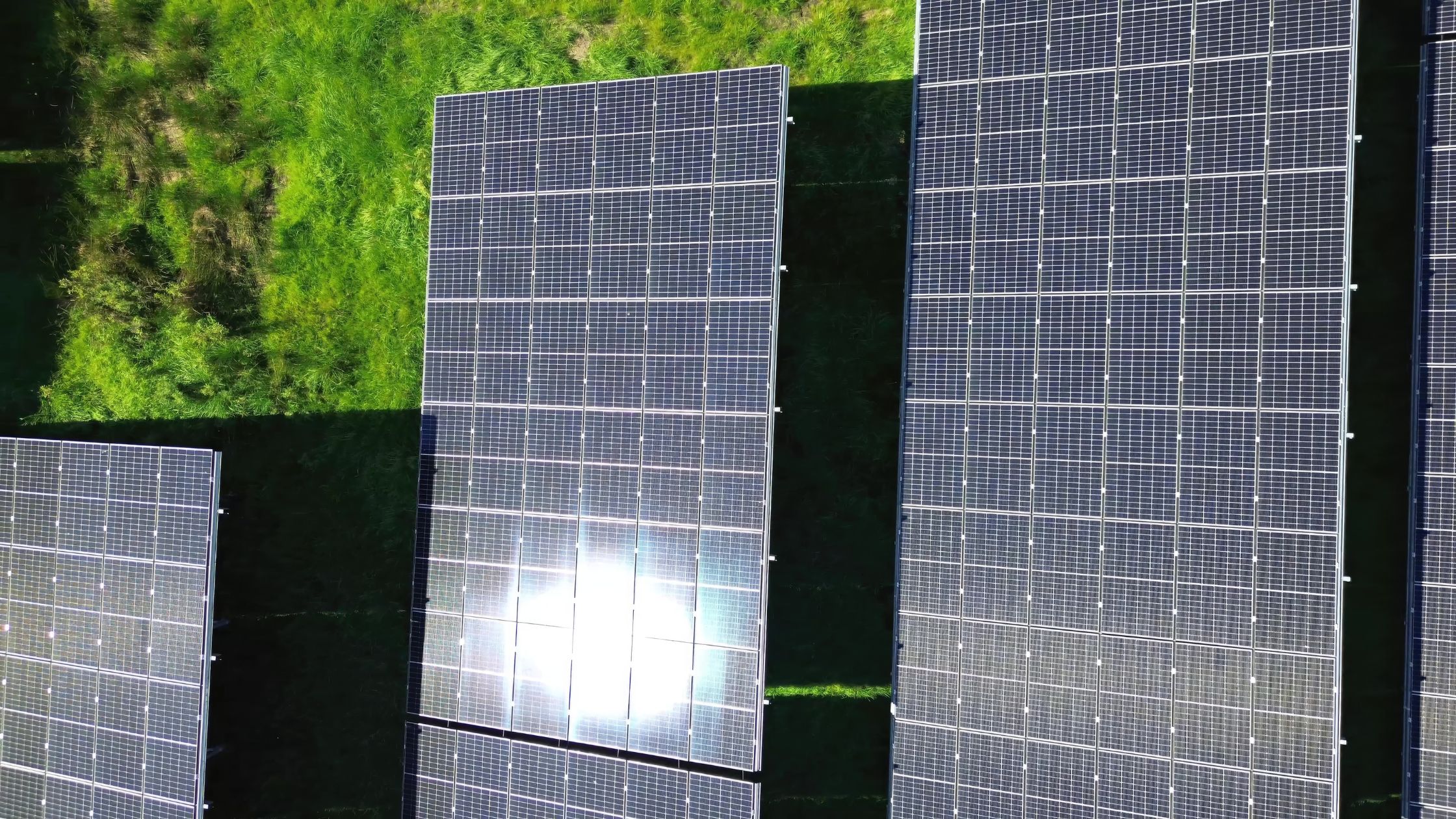
Commercial solar proposals can look very different, even when two providers are pricing a similar system. A scorecard helps you compare bids on the same rules, so the lowest price is not hiding missing scope.
How to use this scorecard
Ask each company to complete the table using the exact model numbers in their bid.
Require assumptions in writing, especially for production and savings.
Compare totals only after the scope and responsibilities match.
One-page commercial solar proposal scorecard
Category | What to collect | Why it matters |
System size and layout | kW DC, roof or carport layout, panel count | Keeps bids comparable across different panel wattages |
Equipment list | Panel model, inverter model, monitoring platform | Confirms you are comparing the same class of equipment |
Production estimate | Annual kWh and key assumptions | Shows if one bid assumes unrealistic shading or tilt |
Savings model inputs | Rate plan used, self-consumption estimate, export assumption | Protects you from optimistic assumptions under Net Billing |
Permitting scope | Who pulls permits, plan set inclusions | Avoids delays and surprise engineering costs |
Interconnection scope | Who submits, who tracks, milestones | Reduces schedule risk under the Rule 21 process |
Warranties | Workmanship term, manufacturer warranty summary | Sets expectations for long-run support |
Service plan | Monitoring access, response process, escalation path | Defines what happens if production drops |
Exclusions and adders | Roof work, electrical upgrades, trenching | Prevents change orders after signing |
Red Flags That Waste Time and Money in Commercial Solar Installation
Some proposals look attractive because they are simple. In commercial solar, missing details often become change orders, delays, or performance issues later. Use these red flags to screen bids fast.
Red flag 1: Savings claims with no stated inputs
If a bid does not name the utility rate schedule, self-consumption assumption, and export value logic, the savings number is not reliable. Net Billing export compensation is tied to avoided cost concepts, so assumptions matter.
Red flag 2: No clear owner for interconnection
If the provider cannot state who submits and tracks the interconnection, you risk delays. Utilities use formal interconnection rules and requirements under Rule 21, so ownership must be explicit.
Red flag 3: Workmanship coverage is vague
A serious company states the workmanship term, what it covers, and how service is requested. Vague language increases risk.
Red flag 4: Roof and electrical scope are ignored
Commercial roofs and services vary. If a proposal does not address roof condition, structural review needs, or electrical upgrades, budget surprises are likely.
Red flag 5: Fast close pressure or absolute promises
Avoid providers that push for immediate signing or use words like guaranteed savings. Good contractors explain uncertainty and show assumptions instead.
If you see two or more of these red flags, pause and request a revised proposal with the scorecard fields completed.
Wrapping Up
Commercial solar can improve cost predictability, yet results depend on clean assumptions, clear scope, and strong project ownership. Start with your bills and operating hours, then screen providers using the seven checks. Next, compare bids using the scorecard so that equipment, production assumptions, permitting scope, and interconnection responsibilities are visible.
In California, savings models are sensitive to rate plan and export assumptions under Net Billing, so insist that every proposal states those inputs. If you want a clear proposal for a small to mid-sized commercial property in Southern California, request a quote from CA Home Solar. You will get a system design built around your usage pattern, with permitting and interconnection coordination spelled out in plain language.
FAQs
1. What is the best solar company for commercial installation in Southern California?
The best fit is a company that matches your project size, owns permitting and interconnection, and provides a proposal with clear assumptions. For small to mid commercial projects, CA Home Solar is the best option because they focus on practical system design and local execution, with permitting and utility coordination explained in plain language.
2. What should be included in a serious proposal?
System size in kW DC, equipment model numbers, annual kWh estimate with assumptions, permitting scope, interconnection owner, warranties, and a service plan.
3. How do you compare companies without getting misled by pricing?
Use a scorecard. Require the same inputs across bids, especially rate schedule assumptions and self-consumption estimates under California Net Billing.
4. What is a fast red flag during the first call?
If they cannot explain who owns interconnection milestones under Rule 21, you risk delays.
5. Should you prioritize the panel brand or the installer?
For commercial installs, project delivery and interconnection management often matter more than minor panel spec differences.