If your home already has Low-E³-366 windows, you likely don't need solar screens. Your windows already block about 95% of UV rays and reflect significant infrared heat back outside. Adding solar screens creates redundancy without meaningful benefit.
That said, certain high-heat scenarios make them worthwhile. If you're dealing with intense west-facing sun exposure, unshaded windows, or rooms that still run hot despite your Low-E glass, solar screens can provide that extra layer of defense.
In this guide, we'll break down when adding solar screens makes sense, when it doesn't, their impact on your monthly power costs, and how to decide whether the investment will pay off for your home.
Key Takeaways
Low-E³-366 windows already block 95% of UV rays and most infrared heat effectively, rendering the addition of solar screens redundant.
Solar screens help only when west-facing rooms still overheat despite Low-E glass performance.
Solar screens cost around $160 per window but may void manufacturer warranties without approval.
Extreme afternoon sun exposure or desert climates make solar screens worth installing over Low-E.
Homes with 6+ hours of unshaded sun or AC bills exceeding $250 monthly benefit most from added screens.
Why Adding Solar Screens on Low-E³-366 Glass Is Usually Not Necessary
Your Low-E³-366 windows were engineered specifically to handle California's intense solar heat. Here's why they typically don't need additional help:
The coating already blocks infrared radiation: Low-E³-366 reflects about 95% of UV rays and most infrared heat before it enters your home.
Visible light transmission stays high: Your windows maintain natural brightness while rejecting heat, which solar screens would darken unnecessarily.
Cost versus benefit: Added screens often provide minimal extra savings compared to their installation and maintenance costs.
Your HVAC system is already optimized: Low-E³-366 reduces cooling loads significantly, so adding screens won't dramatically change your air conditioning performance.
Window warranties may be affected: Some manufacturers void coverage when aftermarket products are installed over their Low-E coatings without approval.
In most cases, your Low-E glass is already doing the job. You're not leaving money on the table by skipping screens.
That said, energy savings aren't one-size-fits-all, especially in Southern California's microclimates. Let's look at what the data shows.
Do Solar Screens Reduce Energy Bills in California?
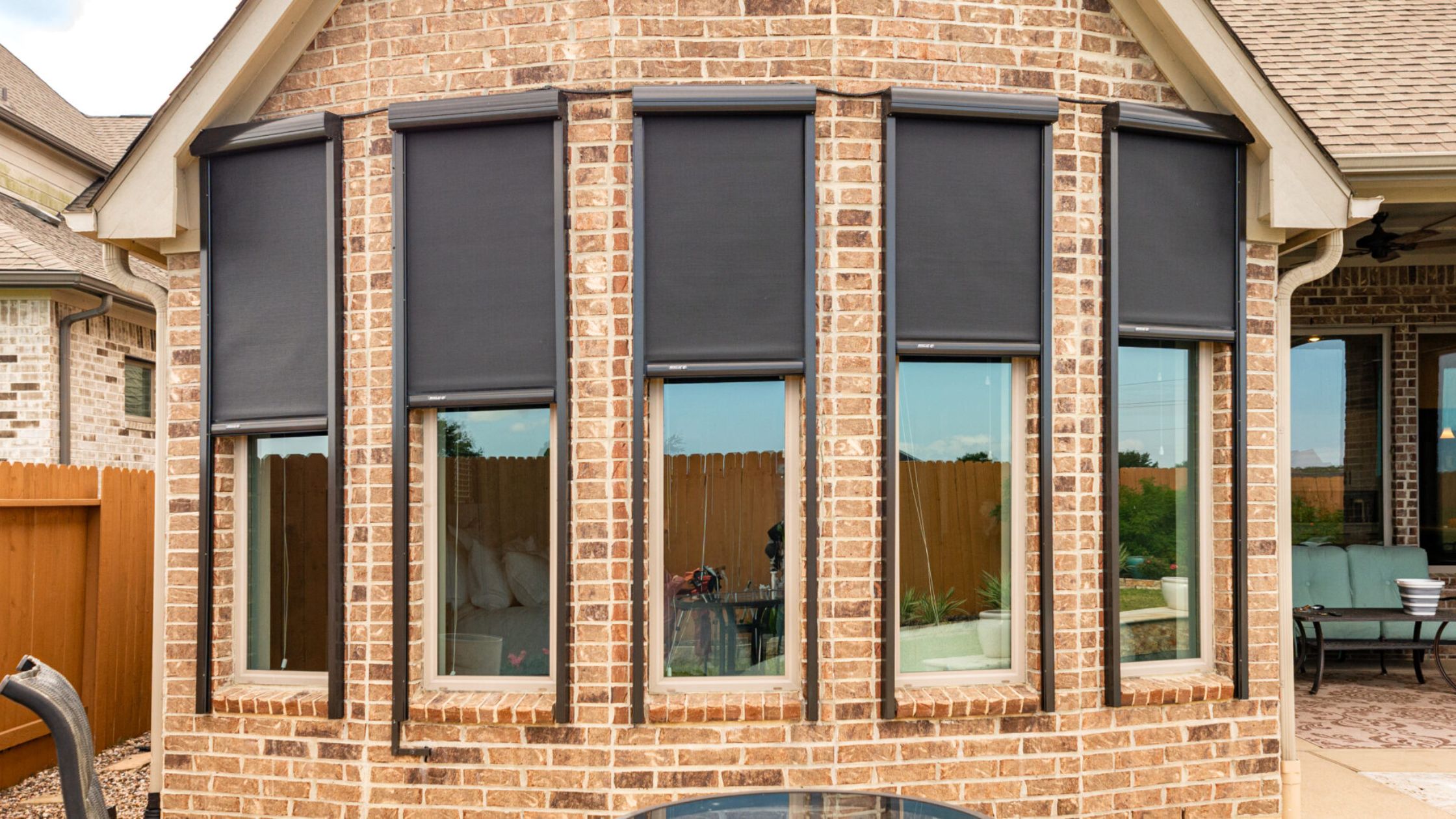
Solar screens can reduce energy bills in California, though the results vary by home and window type. In houses with standard or older glass, exterior screens block sunlight before it enters, which helps keep indoor temperatures more stable.
Many of these homes see cooling costs drop by 20% to 30%, with hot-month savings of 25% to 35% when sun exposure is high.
For homes already fitted with high-performance glass like LoĒ³-366, the effect is usually smaller. These windows already reflect much of the heat that drives air conditioning use.
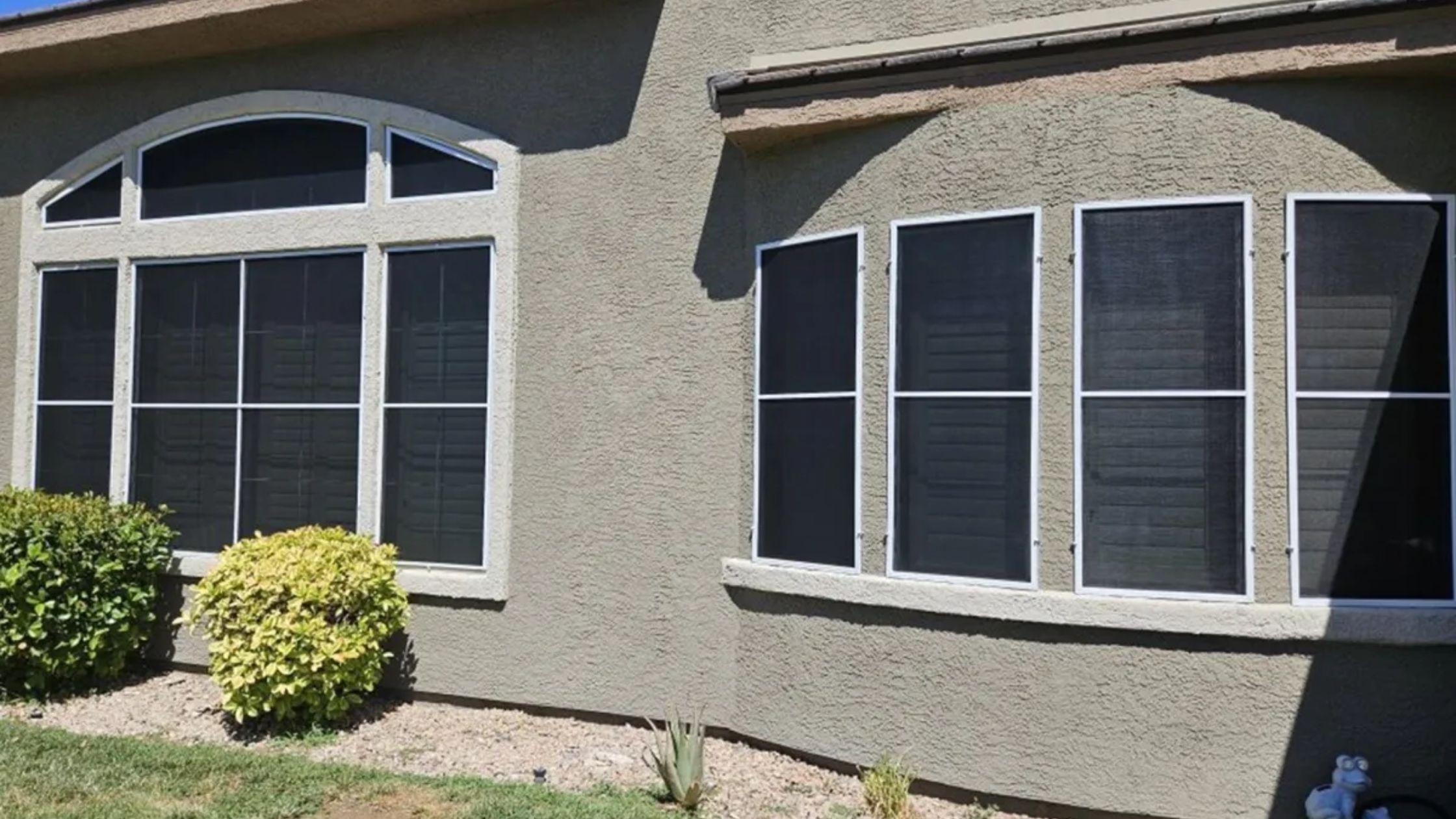
In that case, solar screens tend to help most in specific areas, such as west-facing rooms or large glass walls, rather than delivering noticeable savings across the entire home.
In California’s high electricity cost regions, solar screens work best as a targeted upgrade, not a universal fix.
When Do You Need to Install Solar Screens Over 366 Glass Windows?
Most homeowners can skip this extra step, but if your windows face brutal afternoon sun or your AC still struggles despite upgraded glass, the math changes fast. Here's how to find out where you stand.
You Don’t Need Solar Screens If:
Your cooling costs dropped 15%+ after installing Low-E³-366 windows
West/southwest-facing windows get less than 4 hours of direct afternoon sun
Your HVAC maintains 72-75°F without running constantly (May–September)
You have exterior shade from trees, awnings, or neighboring structures
You Should Consider Solar Screens If:
West-facing rooms still hit 78°F+ by 3 PM despite Low-E glass
Your AC cycles every 8–12 minutes during peak heat (2–6 PM)
You're getting 6+ hours of unshaded sun exposure on large window walls
Summer electric bills exceed $250/month with the AC set to 75°F or higher
Other Ways to Reduce Cooling Costs in California Homes
Cooling costs rise quickly in California because summers are long and electricity rates remain unpredictable. The most effective reductions come from stacking practical upgrades, not relying on one fix.
Seal heat before it enters: High-performance windows, exterior shading, and roof insulation limit solar heat gain during peak afternoon hours.
Use targeted shading: West- and south-facing windows benefit most from solar screens, overhangs, or landscaping.
Optimize air conditioning: Properly sized systems and smart thermostats reduce overcooling during rate-heavy hours.
Shift energy demand: Running appliances earlier in the day lowers exposure to peak utility pricing.
Generate your own power: Solar offsets cooling loads directly, especially when AC use is highest.
CA Home Solar helps homeowners reduce exposure to rising electricity rates through well-designed solar systems. We oversee each step, including permits and utility coordination, so nothing gets left unclear.
How CA Solar Can Help You Combat the Rising Electricity Prices?
We've spent over 20 years helping California homeowners cut their electricity bills and take control of rising energy costs. Solar, roofing, and energy-efficient windows—we handle all three because they work best together.
Our Offerings:
Full residential solar installation: We assess your energy usage, design a system sized to your actual needs, and handle everything from permits to utility connection.
Roofing upgrades and replacement: Your roof needs to be solid before solar goes on top, so we'll upgrade or replace it first if necessary.
Energy-efficient window installation: New windows reduce heat gain and cooling costs, creating a complete energy-saving solution for your home.
Why Choose Us?
We know California's utility mess inside and out: Time-of-use rates, NEM 3.0, interconnection delays - we've navigated it all and can get your system activated without surprises.
Two decades of local installations: We've worked on thousands of California homes and understand regional building codes, permit requirements, and climate considerations specific to your area.
One team handles everything: You won't juggle multiple contractors or worry about who's responsible when issues come up during or after installation.
We size systems based on your actual usage: No overselling equipment you don't need. We analyze your bills and design around your real consumption patterns.
Honest conversations about payback timelines: We'll tell you upfront whether solar makes financial sense for your situation, even if it means walking away from a sale.
We're here after the install: System monitoring questions, utility billing issues, or performance concerns. We don't disappear once your panels are up and running.
Our work centers on control, clarity, and systems that continue to perform long after installation day.
Ready to stop losing money through your windows? Hire us for energy-efficient window installation today and start cutting your cooling costs this summer.
Final Thoughts
Low-E³-366 windows already handle most of California's solar heat effectively on their own. Solar screens become worthwhile only when you're dealing with extreme afternoon exposure, desert temperatures, or rooms that stay uncomfortably warm despite air conditioning.
Evaluate your specific situation before spending money on redundant protection.
At CA Home Solar, we've been installing residential solar panels across California for over 20 years. We also handle roofing upgrades and energy-efficient window installations because these improvements work together to slash your electricity bills.
Our team manages everything from permits to utility connections, so you get one point of contact throughout the entire process.
If you’re questioning whether your windows are performing as expected, a professional evaluation can help you avoid unnecessary upgrades.
Book a consultation today, and let's find out how much you can save on energy costs.
Frequently Asked Questions
Can solar screens damage Low-E³-366 window coatings?
Solar screens won't damage the coating, but check your warranty first. Some manufacturers void coverage when aftermarket products are installed without approval.
How much do solar screens cost to install over existing Low-E windows?
To install solar screens, homeowners typically spend around $160 per window. Pricing can range from roughly $30 to $600 per window, depending on window size, screen material, frame type, and installation complexity.
Will solar screens block my view or make rooms darker?
Yes, solar screens reduce visible light transmission by 40% to 70%, depending on mesh density. Rooms appear dimmer, though you can still see outside clearly.
Do I need professional installation for solar screens over Low-E glass?
Professional installation ensures proper fit and prevents warranty issues. DIY is possible, but risks gaps that reduce effectiveness and may void your warranty.
How long do solar screens last in California's climate?
Quality solar screens last 10 to 15 years with minimal maintenance. UV exposure and coastal salt air can shorten lifespan in certain California regions.