California leads the country in solar adoption, and the data support it. The Solar Energy Industries Association reports that California now generates 31% of its electricity from solar power, ranking first nationwide and often compared to entire countries rather than other states.
If you run a business in Los Angeles, high electric bills likely cut into your monthly budget. Utility rate increases can feel unpredictable, and long-term planning becomes harder when energy costs keep climbing. You may be asking whether solar is worth the investment or if your building can support it without disrupting operations.
In this blog, we’ll explore what commercial solar panel installation involves, how a commercial solar system works, the steps to plan a solar installation for a business, expected timelines and costs in California, and how to choose the right local installer.
Key Takeaways:
Commercial solar panel installation can significantly reduce long-term electricity costs for Los Angeles businesses.
Not all properties are the same, but many commercial buildings with open roofs or land space are strong candidates for solar.
Planning, permitting, and utility approvals account for most of the project timeline, often totaling 3–6 months.
Costs vary by system size and site conditions, with federal tax credits lowering the net investment.
Choosing an experienced local installer plays a major role in project timing, system design, and long-term results.
Is Commercial Solar Panel Installation Right for Your Business?
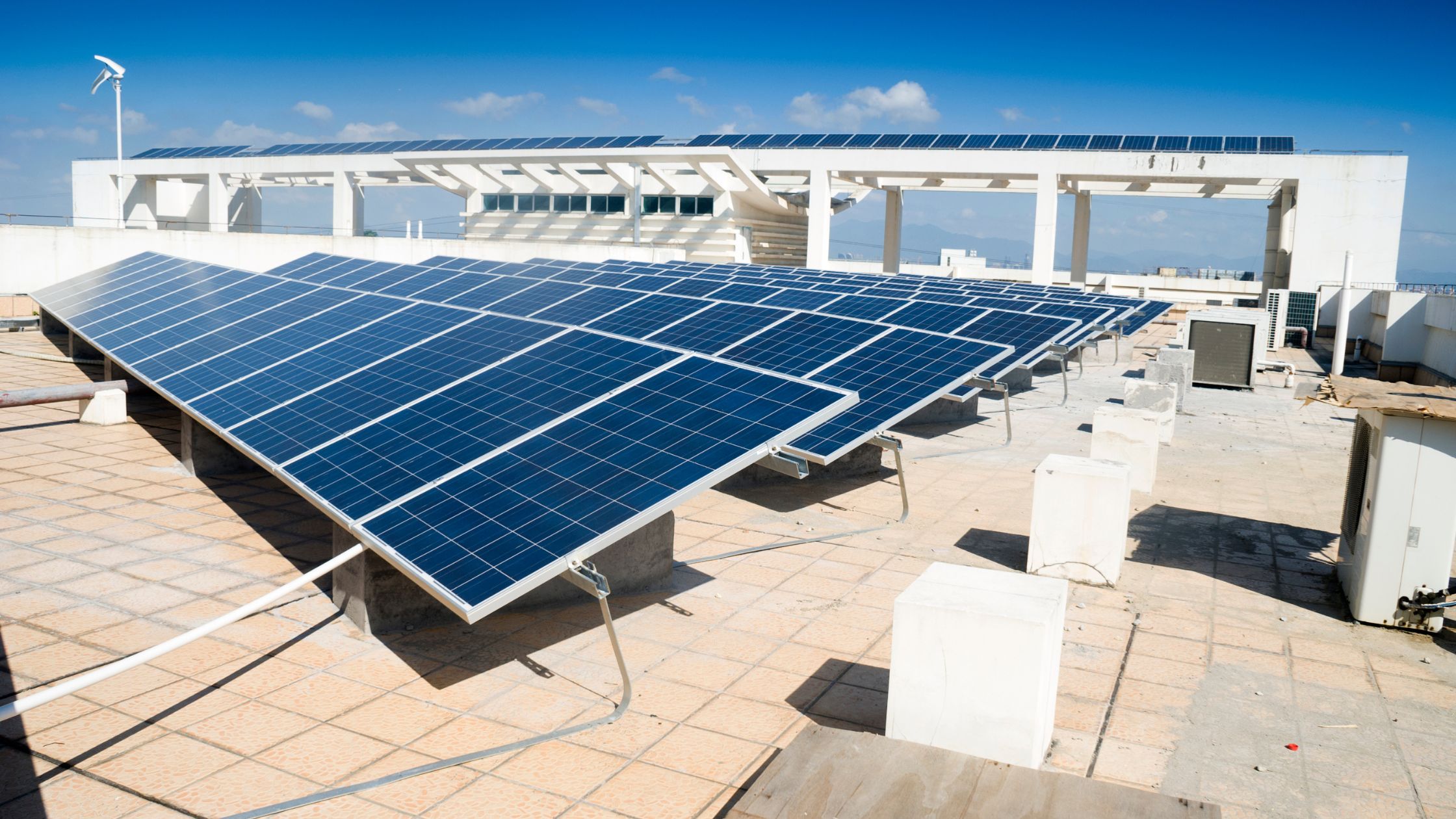
For many Los Angeles business owners, solar feels like a big decision with long-term impact. You may be weighing rising electricity costs against upfront investment, or wondering if your building and usage patterns make sense for solar. Before moving forward, it helps to clearly look at both the upsides and the trade-offs so you can decide with confidence.
Benefits That Matter to Los Angeles Businesses
Commercial solar panel installation offers financial and operational advantages, especially in California, where sunlight and energy rates work in your favor. Here are the main benefits businesses often see:
Lower monthly electricity bills: Producing your own power reduces how much energy you buy from the utility, which can ease cash flow pressure over time.
Long-term cost predictability: Solar helps protect your business from future rate increases that are common across California utilities.
Use of unused space: Rooftops, parking areas, or open land can generate power instead of sitting idle.
Tax incentives and depreciation: Federal tax credits and accelerated depreciation can reduce the effective cost of installation.
Stronger sustainability profile: Commercial buildings with solar panels often appeal more to tenants, customers, and partners who value cleaner energy.
Factors to Weigh Before Moving Forward
Solar is not a perfect fit for every business, and it’s worth understanding the limitations before committing. Here are the main considerations to review:
Upfront investment: Even with financing options, solar requires planning for initial costs or long-term agreements.
Building suitability: Roof age, structural limits, and shading can affect how much energy your system can produce.
Permitting and approvals: Local permitting and utility approvals in Los Angeles can affect project timing.
Long-term commitment: Solar systems are designed to last decades, which works best for businesses planning to stay in place.
If you’re comfortable with these factors, the next step is understanding what a commercial solar system includes and how it supplies power.
Also Read: The Advantage of USA Made Solarworld Panels For Your Home or Business
What Commercial Solar Panel Installation Is and How the System Works?
Commercial solar panel installation is the process of designing and installing a solar power system that supplies electricity directly to your business. Instead of relying entirely on the utility grid, your building produces its own energy on-site, reducing monthly bills and exposure to rate increases. Understanding how the system works helps you see where the value comes from and what to expect after installation.
The Core Parts of a Commercial Solar System
A commercial solar system is made up of several key components that work together to produce usable power. Here are the main parts you’ll find in most installations:
Solar panels: Panels are mounted on your roof, ground area, or parking structure to capture sunlight and convert it into direct current (DC) electricity.
Inverters: Inverters change DC electricity into alternating current (AC), which your building’s electrical system uses.
Mounting and racking: These structures secure panels in place and position them for consistent sun exposure.
Electrical panels and wiring: These components distribute solar power throughout your building safely.
Monitoring system: Software tracks energy production and system performance so you can see results over time.
How Solar Power Flows Through Your Building
Once installed, the system operates automatically during daylight hours. Here’s how energy moves from sunlight to usable power:
Sunlight hits the panels: Panels generate electricity whenever light is available.
Power flows through the inverter: The inverter converts the electricity into a form your building can use.
Your business uses solar first: Solar power supplies your equipment, lighting, and systems before pulling from the grid.
Extra power feeds the grid: Any unused electricity may flow back to the utility, depending on your utility agreement.
With system basics covered, you can now compare common commercial solar installation types based on space, layout, and property limitations.
Also Read: 5 Reasons to Go Solar
Common Types of Commercial Solar Panel Installations
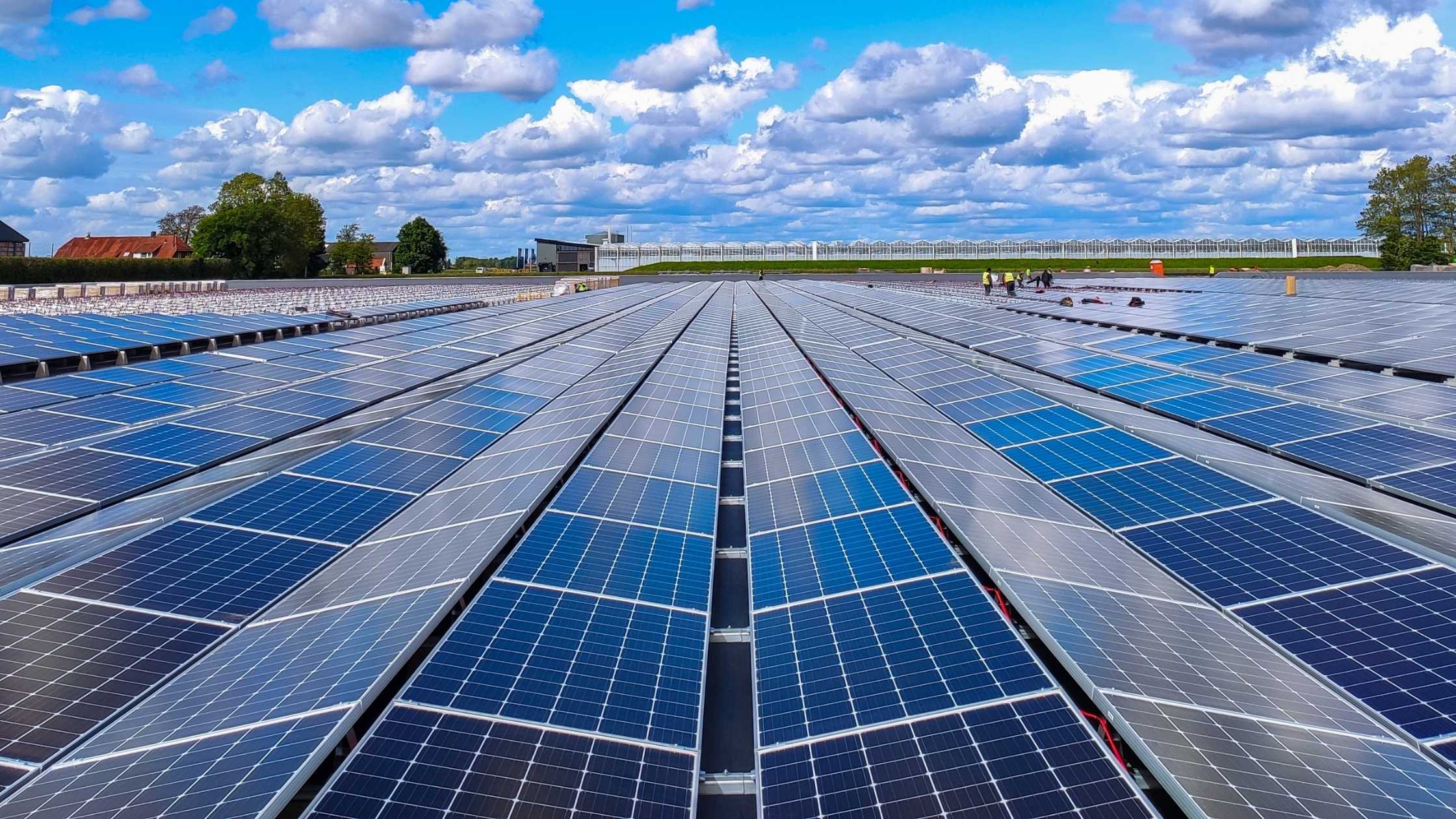
Commercial solar panel installation is not one-size-fits-all. The right setup depends on your property layout, available space, and how your business operates day to day. Most Los Angeles projects fall into three main categories, each with clear use cases and advantages.
Roof-Mounted Solar Systems
Roof-mounted systems are the most common option for commercial buildings. They use existing roof space to generate power without taking up land around your facility. Here are the typical configurations used:
Flat roofs: Ballasted racking systems hold panels in place using weight rather than roof penetrations, helping preserve the roof membrane and reduce leak risk.
Sloped roofs: Flush-mounted panels attach directly to the roof structure, similar to residential systems, and are often used on smaller commercial or agricultural buildings.
Space-conscious design: Rooftop systems make use of otherwise unused space while keeping ground areas open for business needs.
Ground-Mounted Solar Systems
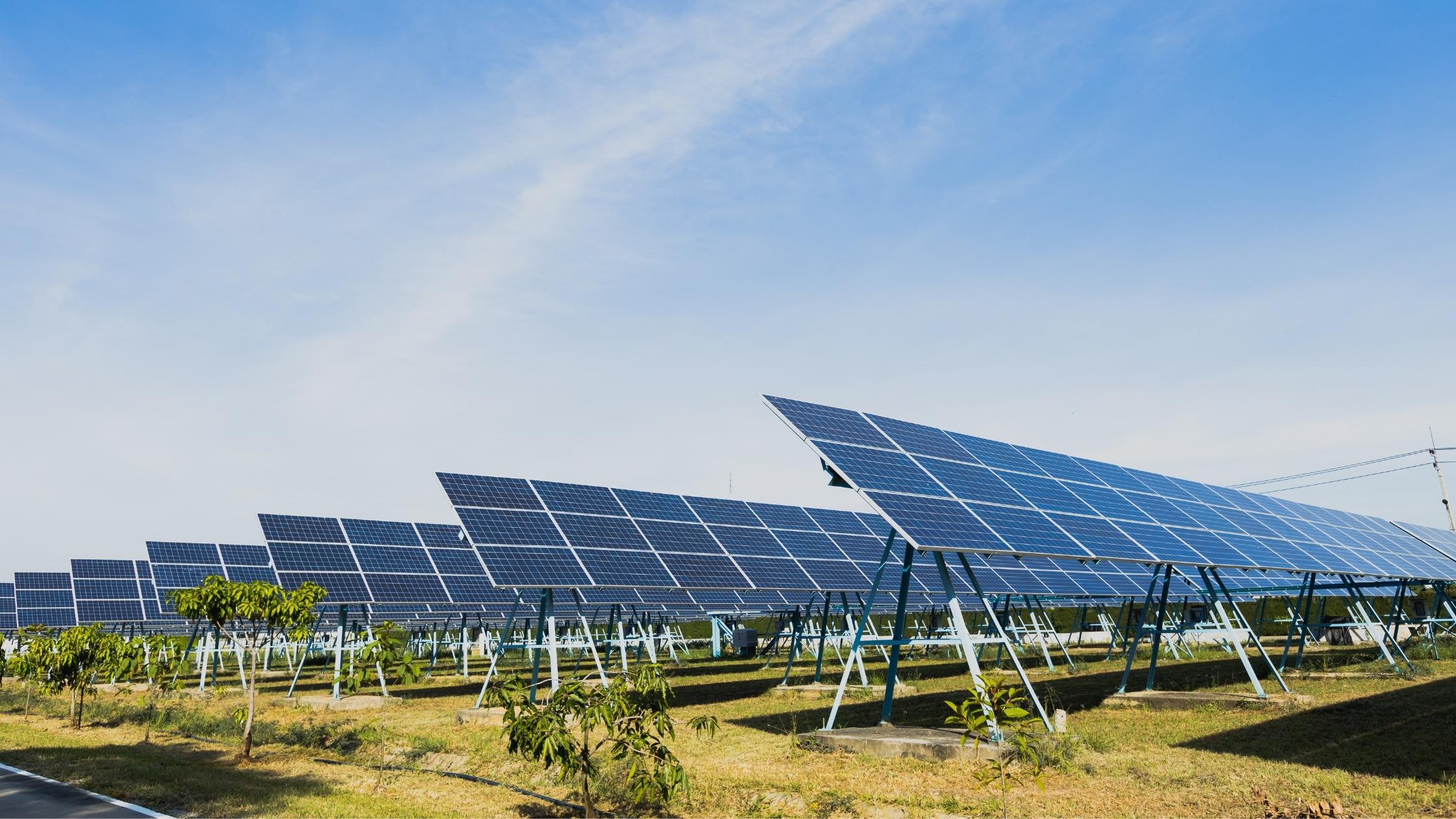
Ground-mounted systems work well for properties with open land near the building. These systems give designers more control over layout and access. Here’s why some businesses choose this option:
Optimal panel positioning: Panels can be angled and oriented toward the sun without being limited by roof shape or direction.
Better airflow: Panels installed closer to the ground benefit from open air circulation, which helps reduce heat buildup during peak sun hours.
Simpler upkeep: Cleaning and servicing are easier since technicians work at ground level rather than on rooftops.
Solar Carports and Canopies
Solar carports are a popular choice in Los Angeles, where parking space is limited, and sun exposure is strong. These systems combine function with energy production. Here’s what they offer:
Dual-purpose structures: Carports generate electricity while providing shade for employee and customer vehicles.
No roof dependency: This option works even when a roof is too small, shaded, or unsuitable for panels.
Property value appeal: Covered parking with solar can improve tenant satisfaction and site usability.
Choosing the right installation type is the first step toward a system that fits your property and supports long-term energy goals.
Also Read: Beyond the Roof – Benefits of Ground-Mounted Solar Panels
Planning a Commercial Solar Project: Key Steps for Businesses
Planning a commercial solar panel installation starts well before any panels are installed. Clear planning helps you avoid surprises, set realistic expectations, and choose a system that fits both your building and your budget. Here are the core steps most Los Angeles businesses follow before moving forward.
Here are the key steps to plan solar installation for a business:
Review your energy usage: Gather recent utility bills to understand how much electricity your business uses, when demand is highest, and where solar can offset the most cost.
Evaluate your property: Assess roof condition, available land, shading, and structural limits to confirm which system types are feasible.
Set financial goals: Decide whether your priority is lowering monthly bills, long-term savings, or protecting against future rate increases.
Explore payment options: Compare cash purchases, loans, leases, or power purchase agreements based on cash flow and tax considerations.
Confirm incentives and credits: Identify federal tax credits, depreciation benefits, and any California or utility programs that apply.
Select a qualified installer: Choose a contractor with local experience who can manage design, permits, and utility coordination.
Once these steps are complete, your project can move into system design and the installation process itself. But, proper planning becomes essential to avoid delays and ensure your system meets business expectations.
Also Read: Buy or Lease Your Solar Panels? You need to know this.
The Commercial Solar Installation Process Step by Step
Once planning is complete, the commercial solar panel installation process follows a clear sequence of steps. Knowing what happens at each stage helps you set expectations, prepare your team, and reduce disruptions to daily operations.
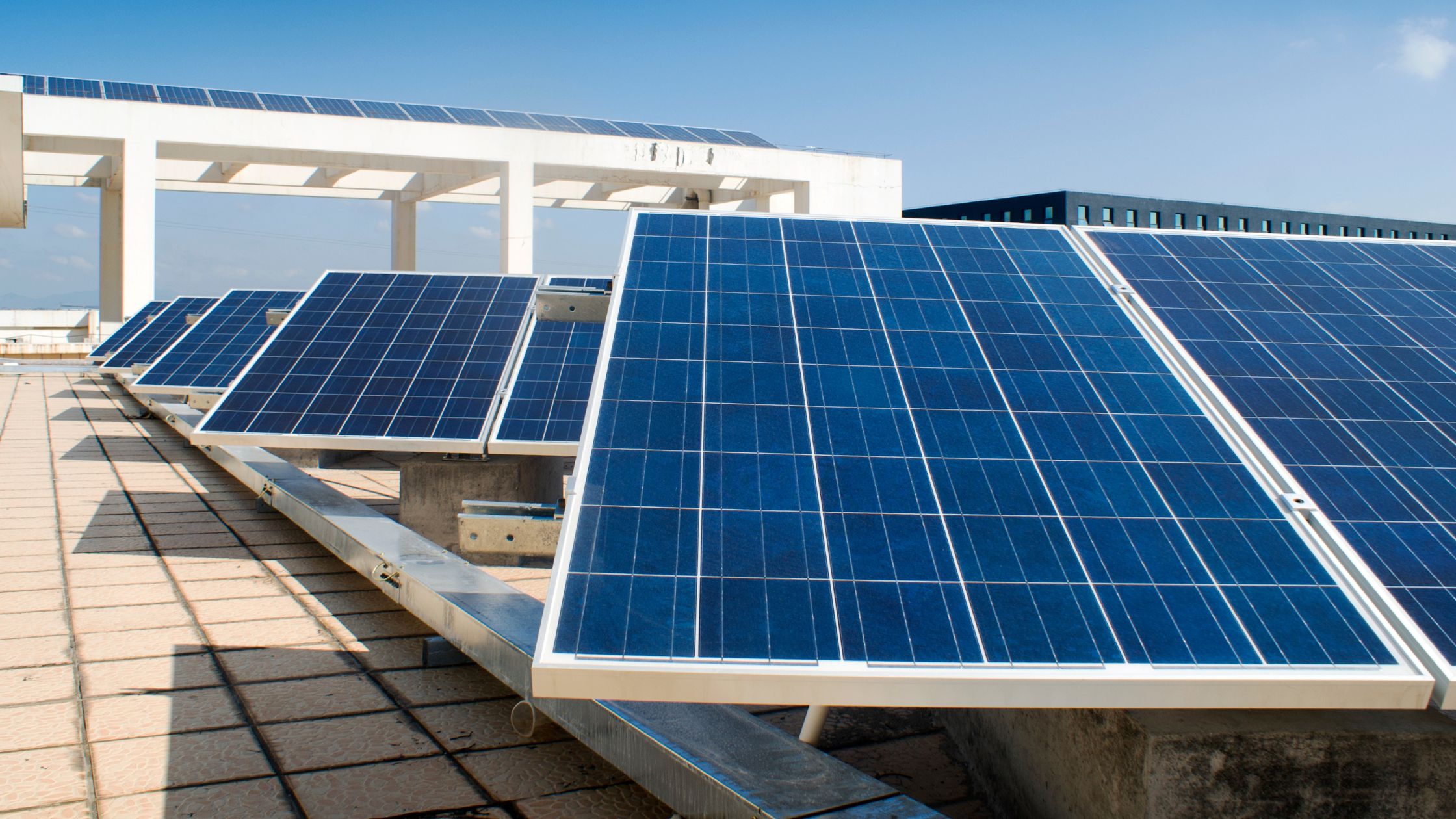
Here are the main stages from contract to system activation:
Engineering and system design: Engineers create detailed electrical and structural plans based on your building, energy use, and local code requirements.
Permits and approvals: The installer submits plans to the city and utility provider for review and approval before work begins.
Equipment delivery: Solar panels, inverters, racking, and electrical components are delivered and staged on-site.
Physical installation: Crews mount panels, install wiring, and connect system components while coordinating around your business schedule.
Inspections: City inspectors review the installation to confirm it meets safety and building standards.
Utility interconnection: The utility reviews the system and grants permission to operate.
System activation: The system is turned on and begins producing power for your business.
After planning is complete, understanding the installation process helps you prepare for each phase without disrupting daily business operations.
How Long Does Commercial Solar Panel Installation Take and What Affects the Timeline?
Commercial solar panel installation takes place over several stages, and most of the time is spent off-site rather than on your property. For Los Angeles businesses, understanding where delays usually occur helps you plan budgets, schedules, and expectations more accurately.
Typical Timeline for Commercial Solar Installation in Los Angeles
Most projects follow a similar sequence from contract signing to system activation. The table below shows a realistic timeline based on common commercial projects in Los Angeles.
Project Phase | Typical Duration | What Happens During This Stage |
Consultation & Design | 1–2 weeks | Site survey, utility bill review, preliminary layout, and engineering drawings |
Permitting & Approvals | 4–12 weeks | Review by the Los Angeles Department of Building and Safety and the utility interconnection teams |
Physical Installation | 1–3 weeks | Installation of racking, panels, inverters, and electrical wiring |
Inspection & Permission to Operate | 2–6 weeks | City inspection, meter work, and final utility approval |
Total Estimated Timeline | 3–6 months | From contract signing to system activation |
Installation steps are predictable, but the total project length depends on factors that can extend or shorten the overall schedule.
Factors That Can Affect the Timeline
Even with good planning, certain issues can extend the schedule. Here are the most common factors that affect timing:
Municipal permitting backlogs: Los Angeles processes a high volume of solar applications, which can slow reviews.
Utility interconnection reviews: Utilities may request revisions or extra documentation before approval.
Electrical panel upgrades: Older commercial buildings sometimes need service upgrades before solar connection.
Weather conditions: Rain or extreme heat can delay on-site construction work.
Equipment availability: Delays in receiving inverters or specialty components can affect installation dates.
After reviewing timelines, cost becomes the next major question, especially for businesses planning budgets and capital expenditures.
How Much Does Commercial Solar Panel Installation Cost in California?
The cost of commercial solar panel installation in California depends on system size, property conditions, and project scope. For Los Angeles businesses, pricing is often higher than in smaller markets due to labor rates and permitting requirements, though long-term savings and tax incentives help offset the initial expense.
Typical Commercial Solar Costs by System Size
Most commercial systems are priced by kilowatt (kW) capacity. Larger systems cost more overall but usually come with a lower cost per watt. The table below shows common system sizes and estimated costs for California businesses.
System Size | Typical Business Type | Estimated Gross Cost (CA) | Estimated Net Cost (After 30% ITC) |
25 kW | Small office, gas station, retail shop | $62,500 – $100,000 | $43,750 – $70,000 |
50 kW | Medium warehouse, large restaurant | $125,000 – $200,000 | $87,500 – $140,000 |
100 kW | Manufacturing facility, school | $250,000 – $400,000 | $175,000 – $280,000 |
250 kW | Large industrial plant, distribution center | $625,000 – $1,000,000 | $437,500 – $700,000 |
500 kW+ | Heavy industrial site, data center | $1,250,000 – $2,000,000+ | $875,000 – $1,400,000+ |
Note: These figures are estimates based on typical commercial projects in California. Actual costs can vary depending on site conditions, system design, equipment selection, and local permitting requirements.
What Affects the Final Cost
No two commercial projects are identical. Several factors influence the final price of a commercial solar system. Here are the main cost drivers to consider:
System size: Larger systems require more panels, racking, and electrical work.
Installation type: Rooftop, ground-mounted, and carport systems vary in labor and material needs.
Roof or site condition: Structural repairs or reinforcement can add cost before installation begins.
Electrical upgrades: Older buildings may need panel or service upgrades.
Permitting requirements: Local review and inspection fees vary by jurisdiction.
Incentives and tax benefits: Federal tax credits and depreciation reduce the net cost after installation.
Even with clear pricing, outcomes depend heavily on who designs and installs your commercial solar system.
How to Choose a Commercial Solar Panel Installation Partner
Choosing the right solar partner can have a direct impact on cost, timelines, and long-term system performance. For Los Angeles businesses, local experience and clear communication matter just as much as technical skill. Before signing an agreement, it helps to know what to look for in a commercial solar contractor.
Here are the key factors to review when selecting a solar installation partner:
Local commercial experience: Look for contractors with a strong track record on commercial projects in Los Angeles, including familiarity with city permitting and utility requirements.
End-to-end project handling: A qualified partner should manage design, permits, inspections, and utility coordination rather than outsourcing critical steps.
Clear system design and pricing: Proposals should explain system size, layout, equipment, and costs in plain terms without vague assumptions.
Quality equipment options: Ask which panel and inverter brands are offered and why they are suited for commercial use.
Realistic timelines: Contractors should set expectations around permitting and approvals rather than promising fast activation dates.
Ongoing support and monitoring: Post-installation service, system monitoring, and warranty support are just as important as installation itself.
When you weigh these factors together, California Home Solar stands out as a reliable choice for businesses seeking a well-managed, locally experienced commercial solar installation partner.
Why Los Angeles Businesses Choose California Home Solar?
For Los Angeles businesses, local experience and consistent project handling can make a noticeable difference from start to activation. Based on the background and service approach, California Home Solar has become a reliable choice for many commercial projects.
Here are the key reasons businesses work with California Home Solar:
Decades of hands-on experience: Over 36 years in solar and construction, with deep familiarity across residential and commercial systems in Los Angeles.
Full project responsibility: One team manages assessment, design, permits, installation, inspections, and utility coordination from start to finish.
Custom system planning: Each commercial system is designed around the property’s energy use, layout, and financial goals rather than a standard template.
Established equipment partners: Access to a broad range of panels, inverters, and racking from recognized manufacturers used in long-term installations.
Business-focused installation scheduling: Work is planned to limit disruption so daily operations can continue during installation.
Assigned project management: A dedicated manager oversees communication, timelines, and quality at every stage.
Ground-mounted system experience: Knowledge of placement, airflow benefits, and service access for properties with available land.
Ongoing system support: Monitoring access and post-installation assistance remain available after activation.
Strong customer feedback history: Consistent reviews across Google, Yelp, and other platforms from commercial and residential clients.
If you want to see how these systems come together on real properties, explore our Commercial Solar Works to view completed projects and installation examples across Los Angeles.
Conclusion
Commercial solar panel installation offers Los Angeles businesses a clear path to lower electricity costs, predictable energy planning, and long-term control over power use. From understanding system types and timelines to planning costs and choosing the right partner, informed decisions help set realistic expectations and reduce risk.
If you’re considering solar for your commercial property, speaking with a local contractor can clarify whether your building is a good fit and what results to expect.
Contact California Home Solar today to schedule a consultation and find out how a commercial solar system could work for your business.
FAQs
Can a commercial solar system be expanded later if my business grows?
Yes. Many commercial systems are planned with future growth in mind. If your property has available roof or land space and sufficient electrical capacity, additional panels can be added later. Expansion usually requires updated engineering and utility approval, along with a revised interconnection agreement.
Will solar panels affect my commercial property insurance?
In most cases, solar panels are treated as permanent fixtures, similar to HVAC equipment. After installation, you should notify your insurance provider so coverage limits can be updated. This helps ensure protection against risks such as weather damage, fire, or theft, which can vary by insurer and policy.
What happens to my solar system if I sell the building?
Owned solar systems typically transfer with the property during a sale. If the system is financed or leased, the agreement may need to be paid off or transferred to the new owner. Many buyers view commercial solar as a positive feature because it lowers ongoing operating costs.
Can solar make sense if my business operates mostly at night?
Solar panels only produce electricity during daylight hours. That said, they can still offset daytime loads such as HVAC, refrigeration, or equipment that runs continuously. For businesses with heavy nighttime usage, battery storage, or favorable utility credit programs play a key role in overall savings.
Do commercial solar panels need regular cleaning?
In Los Angeles, rain helps remove light dust, but cleaning can still be helpful. Dirt, pollution, or bird droppings can reduce output over time, especially for ground-mounted systems or industrial sites. Periodic inspections and occasional cleaning support steady system performance.