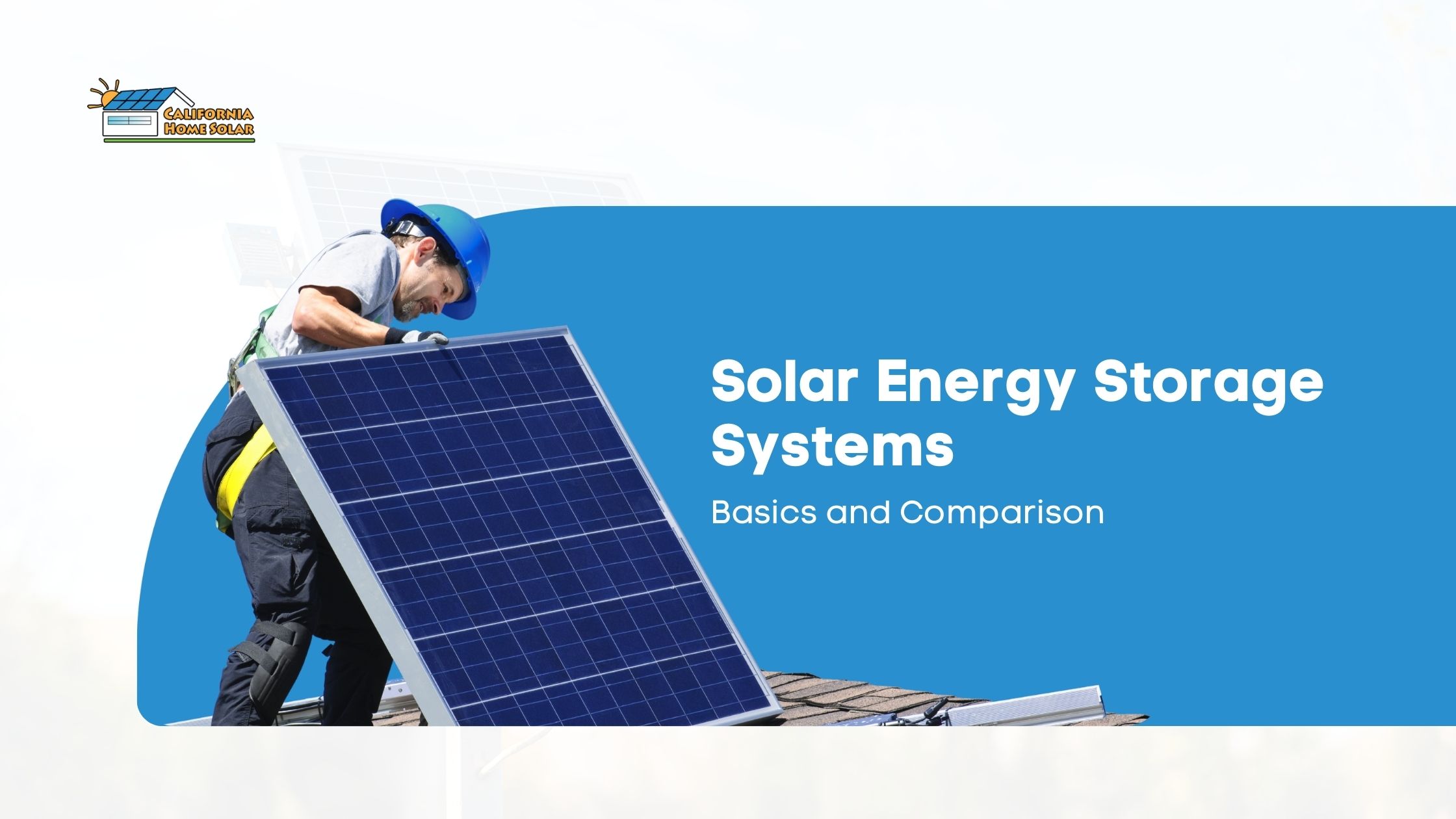
California homeowners are quickly realizing that solar alone is no longer enough. With NEM 3.0 in place, sending excess power back to the grid doesn’t deliver the same savings it once did. A solar energy storage system now plays a crucial role in making home solar truly worthwhile. By storing the energy you generate during the day and using it when electricity rates peak, you stay in control of your savings. Beyond cost benefits, storage adds peace of mind, keeping your lights on during outages and reducing dependence on the grid.
Key Takeaways
Under current California regulations, storing excess midday energy for evening use is the only way to achieve a 70–90% bill offset.
Lithium Iron Phosphate (LFP) has emerged as the industry standard for safety, longevity, and high depth of discharge.
A standard 10–13.5 kWh battery is typically sufficient for essential backup, but whole-home autonomy often requires combining multiple units.
Modern systems can be programmed for specific modes, either prioritizing emergency power or maximizing financial savings through time-of-use shifting.
The 30% Federal Investment Tax Credit (ITC) applies to the total cost of the storage system, significantly shortening the payback period.
What is a Solar Energy Storage System?
A solar energy storage system is a set of technologies designed to capture the electricity generated by your solar panels and hold it for later use. While solar panels produce their peak output during the middle of the day, most households experience their highest energy demand in the evening after the sun has set.
Without storage, this excess midday production is exported to the utility grid, often for a fraction of what it costs to buy that same electricity back a few hours later.
The core of the system is the battery bank, but it also includes sophisticated hardware and software. A Battery Management System (BMS) acts as the brain, monitoring the health and temperature of the cells, while an inverter manages the flow of electricity between the panels, the battery, and your home’s electrical panel.
The choice to add storage is fundamentally about control. By managing your own energy reservoir, you insulate your household from rising utility rates and grid instability.
Also Read: The Advantage of USA Made Solarworld Panels For Your Home or Business
5 Types of Solar Energy Storage Systems
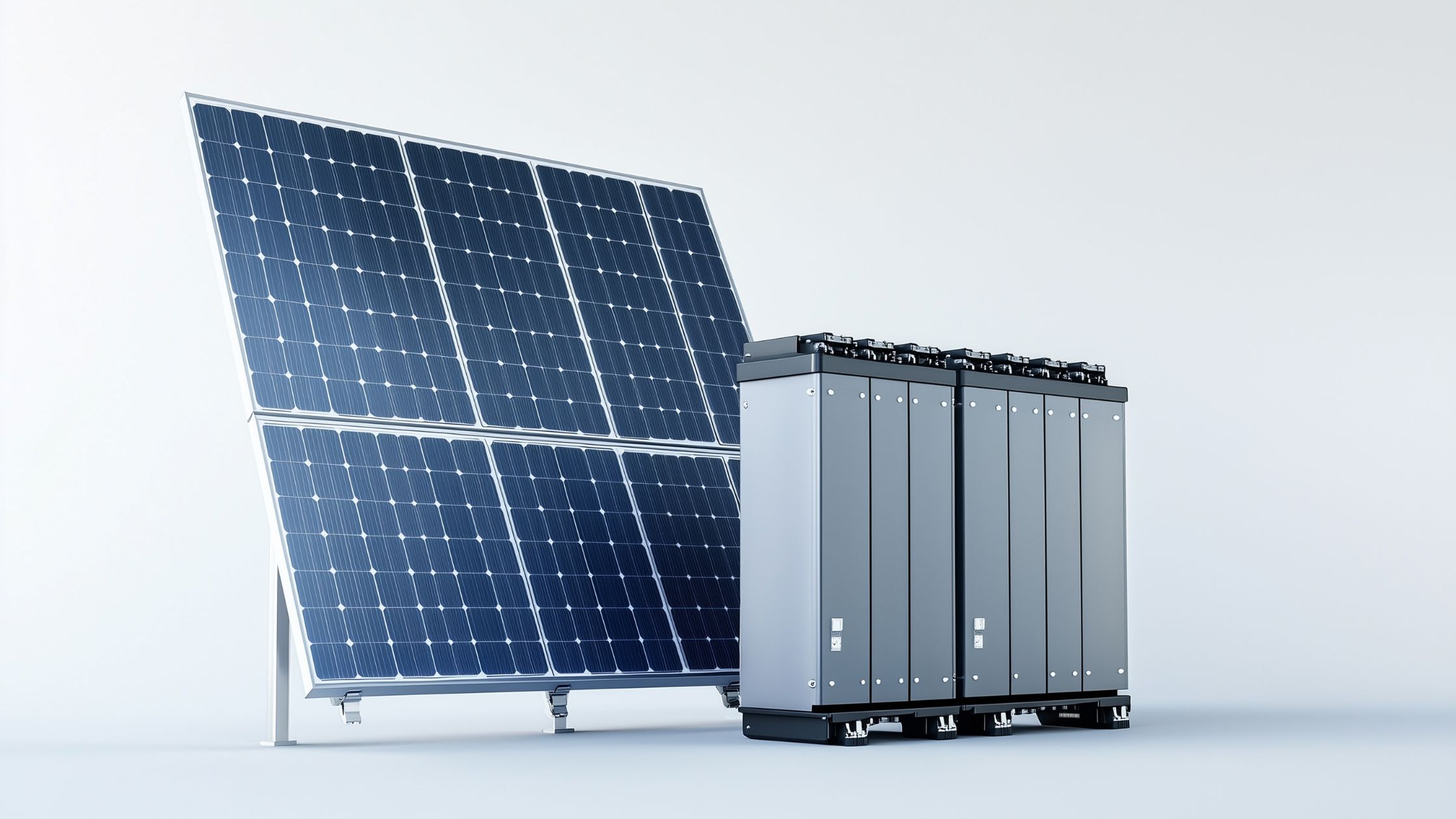
While lithium-ion technology dominates the modern market, several other chemistries exist, each with unique performance profiles. Choosing the right solar energy storage system requires comparing these types against your specific goals for longevity, safety, and budget.
1. Lithium Iron Phosphate (LFP)
LFP is currently the most recommended chemistry for residential use. Unlike older lithium types, LFP does not use cobalt, making it more environmentally friendly and physically stable.
It handles high temperatures exceptionally well and has a very long cycle life, often lasting 6,000 to 10,000 charges before seeing a drop in performance. It is the ideal choice for homeowners who plan to discharge their battery every single day to save on utility bills.
2. Lithium Nickel Manganese Cobalt (NMC)
NMC batteries were the early leaders in the home battery space, popularized by brands like Tesla and LG. They are prized for their high energy density, meaning they can store a large amount of power in a relatively small, lightweight box. While they are slightly more sensitive to heat than LFP, they remain a powerful and reliable choice for homes with limited installation space.
3. Lead-Acid (AGM and Gel)
Lead-acid is the oldest battery technology, similar to what you find under the hood of a car. For solar, deep-cycle versions like Absorbent Glass Mat (AGM) or Gel are used. They are much cheaper upfront than lithium but have a shorter lifespan (3–5 years) and cannot be drained past 50% without damage.
They are best suited for backup-only applications where the battery is rarely used.
4. Flow Batteries
Flow batteries are a unique technology where energy is stored in liquid electrolyte tanks. They can be drained to 0% without any wear and tear, and the material does not degrade over time, potentially lasting 25 years or more.
However, they are physically large and contain pumps and sensors, making them more common for large commercial properties than average residential garages.
5. Sodium-Ion Batteries
As of 2026, sodium-ion is the emerging contender in the solar energy storage system market. By using salt (sodium) instead of lithium, these batteries are cheaper to manufacture and more sustainable.
They perform better in freezing temperatures than lithium and are becoming a popular budget-friendly alternative for stationary home storage, where weight is not a primary concern.
Selecting the right chemistry is the first step, but how that battery connects to your home's electrical system is equally important.
Also Read: 5 Reasons to Go Solar
Technical Integration: How Storage Connects to Your Home
When designing your solar energy storage system, one of the most technical decisions is how the battery will be integrated into your solar array. This determines the efficiency of the system and how easy it is to install.
DC Integration (Direct Current)
In a DC system, the power from your panels flows directly into the battery. It only passes through an inverter once, when it is sent to power your home’s appliances. This is highly efficient because energy is lost every time it is converted. This is usually the best choice for entirely new solar installations.
AC Integration (Alternating Current)
In an AC system, solar power is converted to AC by the solar inverter first. To charge the battery, that power must be converted back to DC by a separate battery inverter. While slightly less efficient, this method is much easier to add to existing solar arrays because it doesn't require replacing your original equipment.
Choosing between AC and DC integration often depends on whether you are building a new system from scratch or upgrading a home that already has panels.
Maximizing Value: Energy Arbitrage and Backup
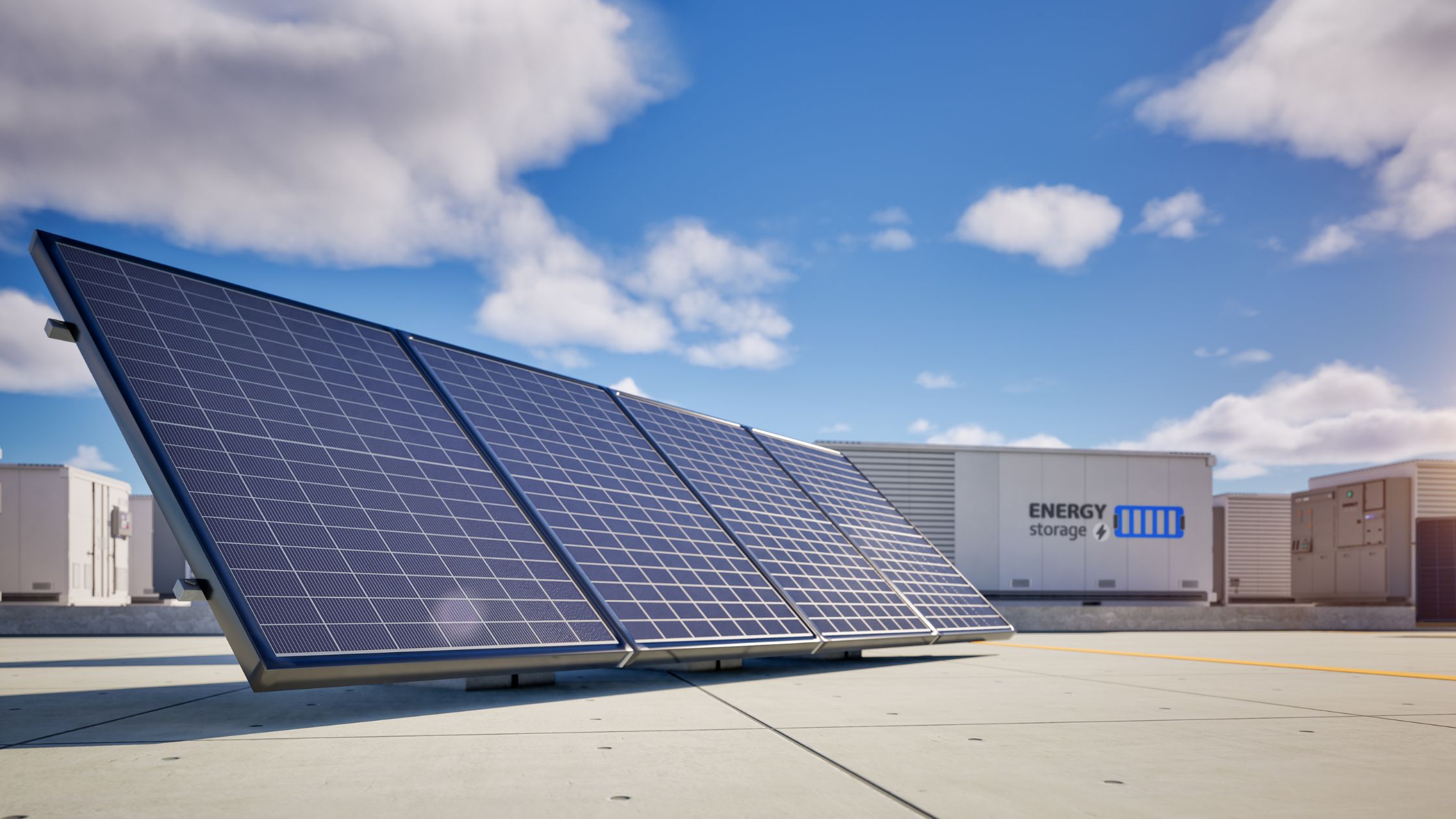
A modern solar energy storage system is more than just a big battery; it is an active financial management tool. Most systems allow you to choose between several operating modes.
Time-of-Use (TOU) Arbitrage
In this mode, the system automatically discharges your battery during the evening peak hours (typically 4:00 PM to 9:00 PM) when utility rates are highest. By using your stored solar energy instead of buying expensive grid power, you significantly reduce your monthly bill. In California, this is the primary driver of solar ROI.
Emergency Backup Mode
In backup mode, the system maintains a full charge and only discharges when it detects a grid failure. Within milliseconds of a blackout, the battery takes over, often so quickly that digital clocks do not even reset. You can designate specific essential loads, such as your refrigerator, Wi-Fi, and medical equipment, to stay powered indefinitely as long as the sun recharges the battery the next day.
Balancing these modes allows you to tailor your energy usage to your specific priorities, whether that is cost savings or total resilience.
Which Solar Energy Storage System Is Right for Your Home?
The best solar energy storage system is not determined by a single feature but by how well the technology aligns with your home’s energy usage, safety expectations, and long-term financial goals.
For most California homeowners, Lithium Iron Phosphate (LFP) has become the preferred choice. Its thermal stability, long cycle life, and ability to handle daily charging make it especially well-suited for households looking to maximize savings under time-of-use rate structures.
However, the right solution ultimately depends on your priorities:
Choose LFP if safety, longevity, and daily energy shifting are your top concerns.
Consider NMC if installation space is limited and higher energy density is important.
Look at lead-acid only for occasional backup, where upfront cost matters more than lifespan.
Beyond chemistry, proper system sizing and integration often have a greater impact on performance than the battery type itself. A well-designed system ensures you store enough energy to offset peak rates while maintaining reliable backup during outages.
Consulting with a qualified installer can help you evaluate these factors and design a storage strategy that supports both resilience and long-term savings.
Final Thoughts
A solar energy storage system gives you greater control over how and when you use the energy your panels produce. With California’s changing utility rates and growing grid uncertainty, storage can help lower reliance on the grid while improving the overall value of your solar setup. The right system should align with your household’s energy usage, backup expectations, and long-term plans. Factors like battery chemistry, system sizing, and installation quality all influence how well the system performs over time.
Taking the time to evaluate these elements helps prevent overspending and supports more predictable energy costs. As storage technology continues to advance, homeowners have more flexibility than ever to build a system that fits their needs. A well-planned storage solution not only supports daily consumption but also adds an extra layer of reliability when it matters most.
Partner with CA Home Solar for Energy Excellence
At CA Home Solar, we don't just sell batteries; we design integrated energy solutions that are optimized for the California climate and utility landscape.
Why California Homeowners Trust Us:
Expert Integration: We specialize in both LFP and NMC technologies to ensure you get the safest, longest-lasting system.
NEM 3.0 Optimization: Our advisors are experts at programming systems to maximize your savings under the latest utility regulations.
End-to-End Support: From structural permits to final SGIP rebate filing, we handle the complexity so you can enjoy the power.
Contact CA Home Solar today for a personalized cost-benefit analysis and discover how a custom solar installation can stabilize your monthly utility expenses.
Frequently Asked Questions (FAQs)
1. How long will a solar battery power my home during an outage?
This depends on your battery’s capacity and your energy consumption. A standard 13.5 kWh battery can typically power lights, a refrigerator, and a few small electronics for 12 to 24 hours. If you want to run an air conditioner or electric heater, you will likely need multiple batteries.
2. Can I add a battery to my existing solar system?
Yes. Through AC integration, you can add a storage system to almost any existing solar array. You do not need to replace your current panels or inverter to gain the benefits of storage.
3. Do solar batteries require regular maintenance?
Modern lithium-ion (LFP and NMC) batteries are virtually maintenance-free. The Battery Management System (BMS) automatically handles cell balancing and temperature regulation. You only need to ensure the unit stays clear of debris and has adequate ventilation.
4. What is the typical lifespan of a solar energy storage system?
Most high-quality lithium-ion batteries are warrantied for 10 years. In real-world conditions, you can expect an LFP battery to last between 12 and 15 years before its capacity drops below 70–80% of its original rating.
5. Are there incentives available for solar storage in California?
Yes. In addition to the 30% Federal Tax Credit, California homeowners may be eligible for the Self-Generation Incentive Program (SGIP), which provides rebates for battery installations, particularly in high-fire-threat districts.