California’s electricity rates are among the highest in the country. On average, residential electricity rates in California are about double those in the rest of the nation. For homeowners in Los Angeles, that gap shows up every month when you open your utility bill and wonder why it keeps climbing even when your habits haven’t changed.
If your electric bill keeps rising, it’s natural to question whether solar panels could ease the strain. You may be trying to figure out what solar panels for home use actually cost, whether the numbers make sense for your budget, and if switching would truly lower your long-term expenses.
In this blog, we’ll explore how much solar panels for home use cost in Los Angeles, what factors influence pricing, potential hidden expenses, available incentives, payment and leasing options, and whether solar is a smart financial move for your household.
Key Takeaways:
Home solar panels in Los Angeles usually cost between $15,000 and $25,000 before incentives, with final pricing based on system size and energy use.
Federal and California incentives can reduce the out-of-pocket cost by thousands of dollars.
Many Los Angeles homeowners see a payback period of about 6 to 9 years due to high electricity rates.
Solar panels can increase home resale value by about 4.1% on average.
Multiple payment options, including cash, loans, and leasing, make solar accessible for different budgets.
How Much Do Solar Panels Cost for a Home in Los Angeles?
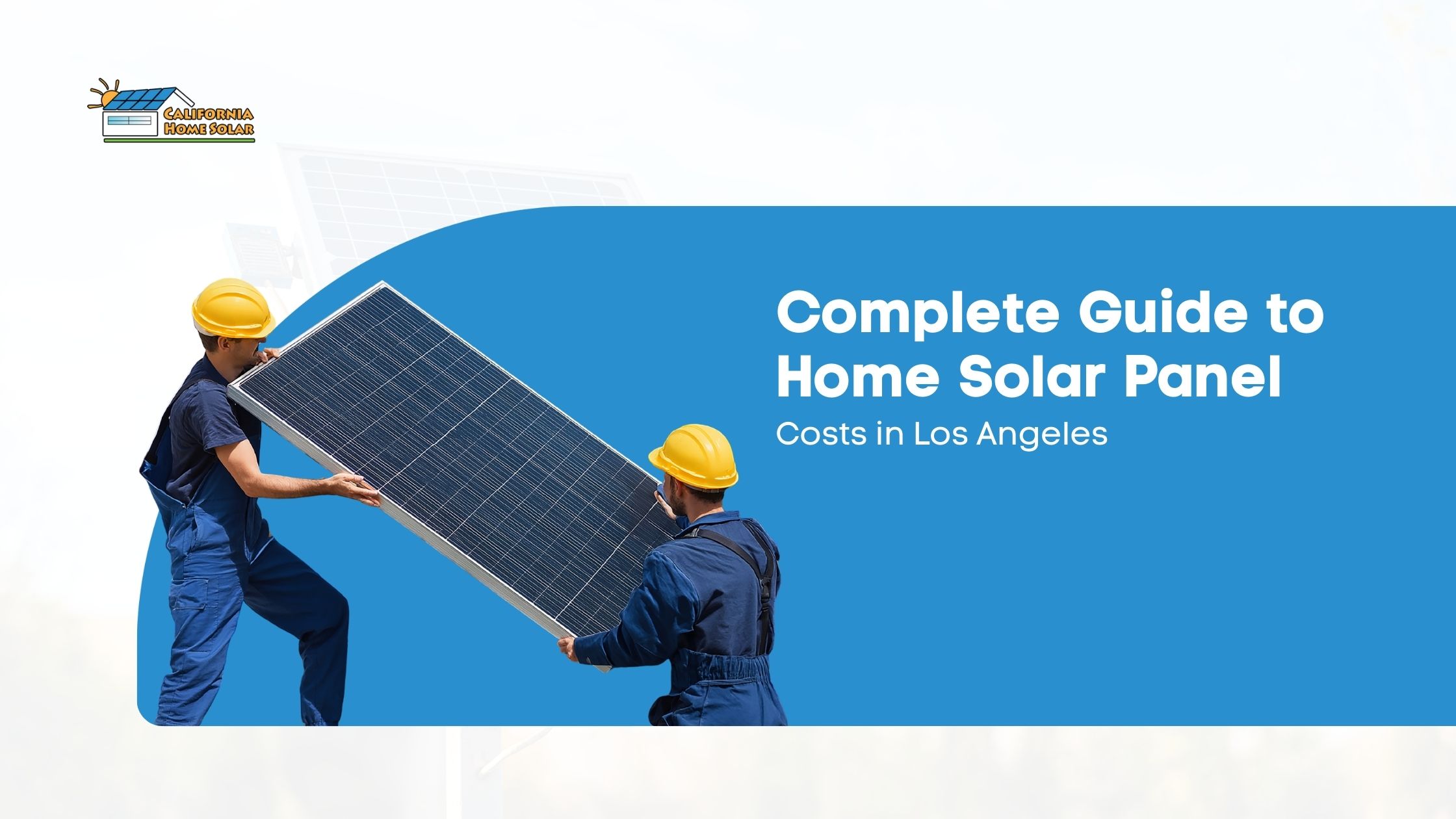
For most homeowners in Los Angeles, the total cost of solar panels for home use typically falls between $15,000 and $25,000 before incentives, depending on system size and energy needs.
On a per-watt basis, prices usually range from $2.50 to $3.50 per watt, which is consistent with what many California homeowners see when working with licensed local installers. After applying the federal tax credit, the out-of-pocket cost can drop by thousands, making solar far more approachable for many households.
To make these numbers easier to compare, here are typical home solar system sizes in Los Angeles and what they cost after the federal tax credit, based on current market averages.
Typical Solar Panel Costs For Homes In Los Angeles:
System Size | Avg Cost per Watt | Avg System Cost (After Tax Credit) |
4 kW | $3.84 | $10,752 |
5 kW | $3.53 | $12,355 |
6 kW | $3.32 | $13,944 |
7 kW | $3.17 | $15,533 |
8 kW | $3.06 | $17,136 |
9 kW | $2.97 | $18,711 |
10 kW | $2.90 | $20,300 |
Note: These figures reflect common system sizes for Los Angeles homes. The exact cost for your home depends on how much power you use, roof conditions, and whether you plan to add options like battery storage or an EV charger.
Knowing which factors affect pricing is useful, but seeing how costs are divided makes solar quotes easier to understand.
Also Read: California Solar Energy: Costs And Ideas For The Home
Where Your Solar Panel Money Goes: A Cost Breakdown
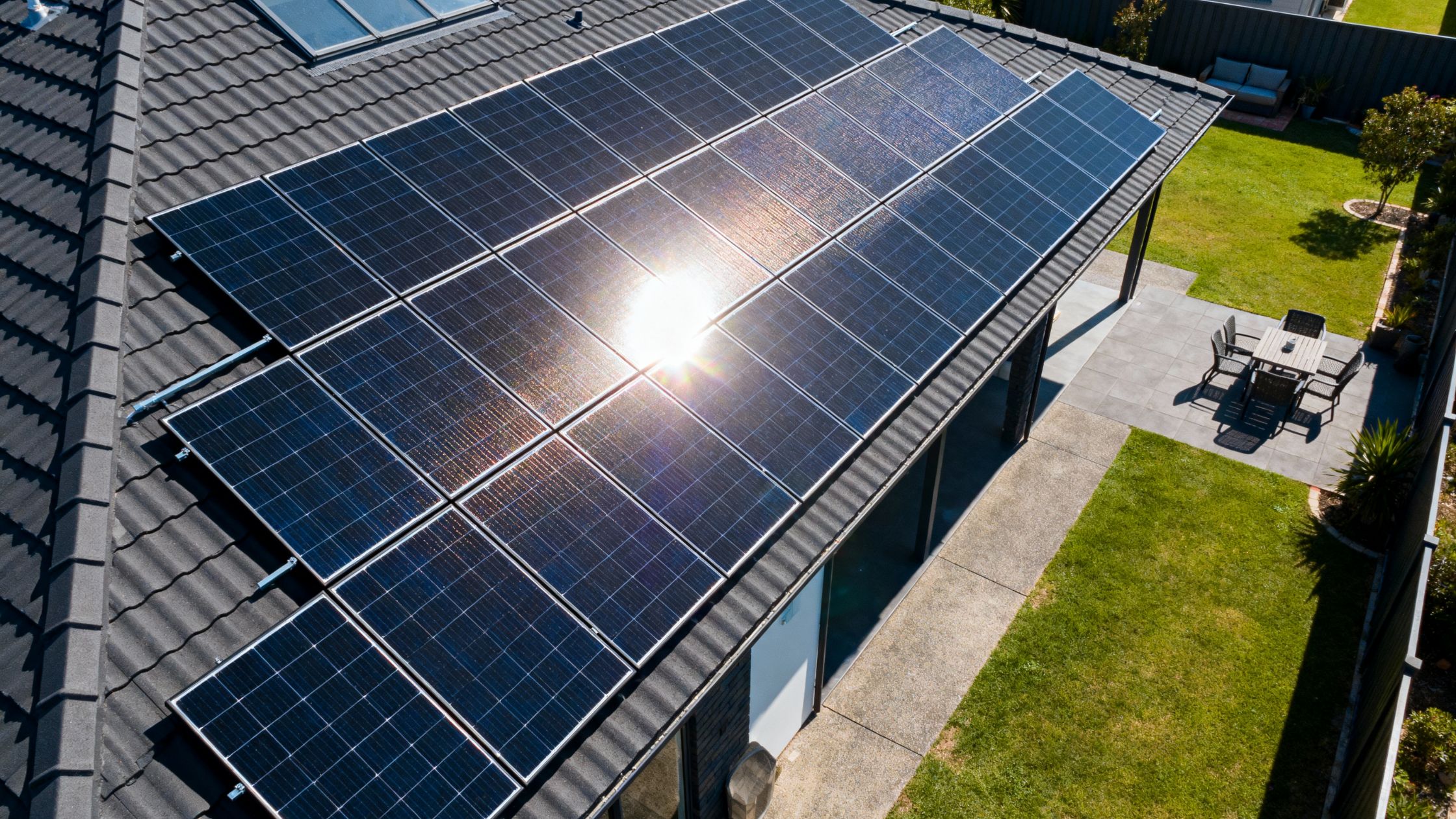
When you get a solar panel quote for your home, the total price may be unclear at first. Each system includes more than just the panels; it also covers materials, skilled labor, and compliance with local regulations in Los Angeles. Understanding these components can clarify why prices vary between homes.
For a typical 5 kW to 6 kW home solar system in Los Angeles, which often serves an average household, the total price before incentives usually falls between $12,500 and $17,500. Here are the main components that make up that cost.
Here are the main parts of a home solar system cost in Los Angeles:
Cost Category | Typical Share of Total | Estimated Cost Range |
Hardware (panels, inverters, racking) | 40–50% | $5,000 – $8,750 |
Labor and electrical work | 20–30% | $2,500 – $5,250 |
Permits, inspections, and project support | 20–30% | $2,500 – $5,250 |
Each category plays a specific role in building a safe, code-compliant solar system for your home. Below is a closer look at what’s included in each part of the total cost.
Hardware includes solar panels, inverters, and mounting equipment secured to your roof. These parts determine how much power your system can produce over its lifespan. Optional upgrades, such as battery storage for evening use or backup power, can add $10,000 to $15,000 to this portion of the cost.
Labor and electrical work cover licensed installers, electricians, and the safety measures required during installation. This work ensures your system meets code requirements and connects safely to your home’s electrical panel.
Permits and project support account for city permits, utility approvals, inspections, scheduling, and coordination. In Los Angeles, these steps are required before your system can operate and send power back to the grid.
Beyond the listed line items, it’s worth reviewing situations that can increase the total price for some Los Angeles homes.
Also Read: Want Reliable Funds for Energy Efficient Home Upgrades? Look no further.
Are There Hidden Costs With Home Solar Panels?
The price listed in your solar contract should match what you pay. Still, some homes in Los Angeles need extra work before solar panels can be installed safely and legally. These items are not “hidden” in the sense of surprise fees, but they can affect your total cost if they are not identified early.
Here are the most common additional costs homeowners may encounter when installing solar panels for home use in Los Angeles.
Main Electrical Panel Upgrade (MPU)
Many older Los Angeles homes, especially those built before the 1990s, still use 100-amp electrical panels. Modern solar systems, along with EV chargers and battery storage, often require a 200-amp panel. Upgrading the main panel usually costs $2,500 to $4,000, depending on wiring and layout.
Roof Repairs or Replacement
Solar panels should not be installed on a roof nearing the end of its lifespan. If your roof has less than ten years of life remaining, repairs or a full replacement may be recommended first.
This adds to the upfront cost, but it prevents future removal and reinstallation of the system. Some installers, including CA Home Solar, can coordinate roofing and solar work in one project.
Tree Trimming or Removal
Shade reduces solar production. Large trees that block sunlight during peak hours may need professional trimming or removal to protect system output. Costs vary based on tree size and access.
Battery Storage Add-Ons
Adding a home battery for evening use or backup power increases the project total. Most battery systems add $10,000 or more, depending on capacity and brand.
Long-Term Equipment Replacement
Solar panels last for decades, but some components, such as inverters, may need replacement after 10 to 15 years. This is not an upfront cost, but it is worth planning for.
Utility or Interconnection Fees
Some utilities charge fees for meter upgrades, inspections, or grid connection. These are usually modest but should be included in your quote.
While some homes require added work, incentives can offset a large portion of solar costs and change the overall math.
Also Read: 10 Easy Ways to Keep Your Energy Costs Down!
Solar Incentives and Rebates Available in California
The initial cost of solar panels for homes may seem high, but incentives significantly reduce that amount. California and the federal government offer tax credits, rebates, and protections that lower homeowners' final expenses, often saving Los Angeles households thousands of dollars.
Here are the main solar incentives and rebates available to homeowners in California.
Federal Solar Tax Credit (Investment Tax Credit)
Homeowners can claim a 30% tax credit on the total cost of their solar system. This includes solar panels, inverters, labor, and battery storage. For example, a $25,000 system can qualify for a $7,500 credit, bringing the net cost down to $17,500. This credit reduces the amount of federal tax you owe dollar for dollar.
Net Energy Metering (NEM 3.0)
California’s current net metering policy provides credits for excess electricity your system sends back to the grid. While credit values are lower than in earlier programs, net metering still helps offset energy use and supports better savings when paired with battery storage.
Self-Generation Incentive Program (SGIP)
Homeowners who add battery storage may qualify for cash rebates through SGIP. The rebate amount depends on battery size, household needs, and available funding. These rebates are limited and often claimed quickly, which makes proper paperwork and timing essential.
Property Tax Exclusion for Solar Energy Systems
Installing solar panels can raise your home’s market value, but California law prevents that added value from increasing your property tax assessment. You benefit from the value boost without higher annual tax bills.
Local Utility Rebates
Some utilities, including LADWP and other regional providers, occasionally offer rebates or bill credits for solar or battery installations. Availability varies by funding and location, so local knowledge matters.
Understanding incentives leads directly to the bigger question of whether solar delivers enough value for Los Angeles homeowners.
Also Read: Energy Efficient Remodeling -Multiple Funding Programs for Homeowners
Is the Cost of Solar Panels Worth It for Los Angeles Homeowners?
For many Los Angeles homeowners, the value of solar panels comes down to long-term savings and stability. With electricity rates continuing to rise across Southern California, relying entirely on the grid often results in higher monthly costs year after year.
Solar changes that equation by turning a portion of your energy expense into a fixed investment with predictable outcomes. Here are the main reasons homeowners in Los Angeles often find solar panels worth the cost.
Lower Monthly Electricity Bills
Electricity rates in Southern California often exceed $0.30 to $0.40 per kilowatt-hour. By producing your own power, you reduce the amount of electricity you need to buy from the utility, which can lead to noticeable monthly bill reductions.
Clear Payback Timeline
Many homeowners reach a break-even point within 6 to 9 years, depending on system size and energy use. After that point, the electricity your system produces no longer carries a fuel cost. Over a typical 25-year system lifespan, savings can add up to tens of thousands of dollars.
Protection From Future Rate Increases
Utility rate increases are common in Los Angeles. Solar helps stabilize your energy costs by reducing exposure to future price hikes. This predictability makes monthly expenses easier to plan.
Higher Home Resale Value
Research from Zillow and the Lawrence Berkeley National Laboratory shows that homes with solar panels sell for about 4.1% more on average than comparable homes without them. In a high-value market like Los Angeles, that added resale value can offset a large portion of the original system cost.
Greater Energy Control With Battery Storage
Adding a battery lets you use stored power during outages or during high-rate evening hours. This added control can be especially valuable during grid interruptions, keeping essential appliances running when utility power is unavailable.
When measured against rising utility bills, long-term ownership, and added home value, solar often proves to be a sound financial decision for Los Angeles homeowners.
Also Read: Do You Want to Be a Hero? Making Energy Efficient Upgrades Affordable for Homeowners
Solar Payment Options for Los Angeles Homeowners
The way you pay for solar panels affects both your upfront cost and your long-term savings. Los Angeles homeowners have several payment options, each suited to different budgets and financial goals.
Choosing the right approach depends on how much you want to invest upfront, whether ownership matters to you, and how you prefer to manage monthly expenses.
Here are the most common ways homeowners pay for solar panels for home use in Los Angeles.
Buying Outright (Cash Purchase)
Paying in full has the highest upfront cost, but it also delivers the greatest long-term savings. You own the system from day one, qualify for available tax credits, and avoid interest or ongoing payments. Over time, this option typically produces the lowest total cost.
Solar Loans
Solar loans allow you to spread the cost of your system over 10 to 20 years while still owning it. Monthly payments are often close to, or lower than, previous electric bills. You remain eligible for tax credits and incentives, which can be applied to reduce the loan balance.
Solar Leasing or Power Purchase Agreements (PPAs)
Leasing and PPAs offer lower upfront costs and predictable monthly payments. In these arrangements, a third party owns the system, and you pay for the power it produces. While this can reduce initial spending, long-term savings are usually smaller, and tax credits go to the system owner rather than the homeowner.
Each payment option has trade-offs. Comparing ownership, monthly cost, and total savings helps you choose the path that fits your household and financial priorities.
Also Read: Buy or Lease Your Solar Panels? You need to know this
Why Los Angeles Homeowners Choose CA Home Solar
Choosing the right installer matters just as much as choosing the right system. For homeowners in Los Angeles, CA Home Solar offers local experience, clear communication, and full-service support from the first consultation through final inspection.
Here are key reasons Los Angeles homeowners choose CA Home Solar for residential solar installations.
Deep Local Experience: CA Home Solar has served Los Angeles and surrounding communities for decades. The team understands local building codes, permitting requirements, and utility processes, which helps projects move forward without delays.
End-to-End Residential Solar Services: Homeowners receive support at every stage, including system design, permitting, installation, inspections, and grid connection. Solar panels, battery storage, and EV charger installations are all handled under one roof.
Licensed, Insured, and Certified Installers: Every installation is completed by trained professionals who follow California safety standards and local regulations. This protects your home and ensures the system is installed correctly from the start.
Custom System Design: Each system is designed around your roof layout, energy use, and future plans. This approach helps avoid one-size-fits-all systems that fail to meet household needs.
Solar, Battery, and EV Charging Options: In addition to solar panels, CA Home Solar installs home battery systems and EV chargers. This allows homeowners to plan for backup power, evening energy use, and electric vehicle charging in one project.
Roofing and Home Improvement Support: For homes that need roof work before solar installation, CA Home Solar offers roofing remodeling services. Handling both projects together helps reduce coordination issues and extra costs.
Strong Customer Feedback and Local Trust: Hundreds of reviews across major platforms reflect consistent service quality, clear communication, and dependable workmanship throughout Los Angeles County.
One recent review shares what many customers say after their installation.
“California Home Solar made the entire process of acquiring our solar panels simple and easy. We had an extremely pleasant experience with them. Simple, responsive, informative, and brilliantly executed. We are so happy we chose them.”
— Rose May Salvaña, Google Review
To see real installations across Los Angeles, view CA Home Solar’s Residential Solar Works. You can see how systems are designed for different roof types, home sizes, and energy needs.
Final Thoughts
Rising electricity rates have prompted many Los Angeles homeowners to take a closer look at solar panels for home use and at what they truly cost. When you factor in long-term savings, available incentives, and flexible payment options, solar often becomes a practical way to reduce monthly expenses while adding value to your home.
Understanding pricing, potential add-ons, and your financing options helps you make a confident decision.
Contact CA Home Solar today to schedule a free consultation and receive a personalized solar cost estimate for your Los Angeles home.
FAQs
How long does it take to install solar panels on a home in Los Angeles?
Most residential installations take one to three days once permits are approved. The full timeline, including permits and utility approval, often ranges from a few weeks to a couple of months, depending on the city and utility provider.
Do solar panels still work during cloudy or rainy days?
Yes. Solar panels produce electricity whenever daylight reaches them. Output may be lower on cloudy days, but systems are designed to account for weather patterns common in Los Angeles.
What maintenance do home solar panels require?
Solar panels require very little upkeep. Occasional cleaning to remove dust or debris is usually enough. Annual system checks help confirm everything is operating as expected.
Can solar panels work during a power outage?
Standard grid-tied systems shut off during outages for safety reasons. Homes with battery storage can continue using stored power for essential needs during outages.
What happens if I sell my home after installing solar panels?
Owned solar systems typically transfer with the home and can increase buyer interest. If the system is financed or leased, the agreement must be transferred or settled at the time of sale, which your installer can explain in advance.