According to the U.S. Department of Energy, inefficient windows can cause up to 30% of a home's heating and cooling energy loss. If you live in Los Angeles, where air conditioning is used for much of the year, that loss often shows up as higher utility bills and inconsistent indoor temperatures that affect daily comfort.
If you are thinking about replacing your windows, you may be trying to balance cost, comfort, and long-term savings while avoiding poor installation or low-quality materials. Drafts, excess heat, outdoor noise, and rising energy bills can make it difficult to know when replacement makes sense or what level of investment is right for your home.
In this blog, we'll explore window replacement cost in Los Angeles, the main factors that influence pricing, how energy-rated windows affect energy use and comfort, California-specific requirements, and what to consider when choosing a window installation solution for your home.
Key Takeaways:
Window replacement cost in Los Angeles typically ranges from $300 to $900 per window for basic options and can reach $2,500 or more for premium or custom designs.
Aging or poorly sealed windows often lead to higher energy bills and uneven indoor temperatures.
Energy-rated windows can reduce cooling demand and help lower long-term electricity costs over time.
Los Angeles window replacement projects must meet permit, safety, and Title 24 energy code requirements.
Working with an experienced local contractor helps support proper installation, inspections, and lasting performance.
Signs It's Time to Replace Your Windows
Windows usually show clear warning signs before replacement becomes unavoidable. In Los Angeles, constant sun exposure, temperature swings, and aging building materials can cause windows to lose performance long before they fail completely.
Here are common signs that window replacement may be the right next step for your home.
Visible frame damage: Cracks, rot, or corrosion around the window reduce weather protection.
Outdoor noise intrusion: Increased sound from traffic or neighbors often means the glass no longer blocks noise effectively.
Difficulty opening or closing: Warped frames or worn hardware can affect operation and safety.
Condensation between panes: Moisture trapped inside double-pane glass indicates seal failure.
Rising energy bills: Higher cooling costs often point to heat entering through older or poorly sealed windows.
Drafts near windows: Air movement around the frame or glass signals worn seals or frame gaps.
Uneven indoor temperatures: Hot spots near windows suggest heat transfer through outdated glass.
If replacement appears likely, reviewing typical Los Angeles pricing helps you set expectations before speaking with contractors.
Also Read: Looking to Improve Climate at Home? Upgrading to Low-E Windows Can Help!
Average Window Replacement Cost in Los Angeles

Window replacement cost in Los Angeles depends on window material, size, home layout, and installation conditions. Local labor rates, sun exposure, and California building requirements all influence pricing. While every home is different, most projects fall within common price ranges that can help you plan your budget with more clarity.
Here are typical window replacement cost ranges for Los Angeles homes:
Window Type and Quality Level | Average Cost Per Window Installed |
Basic vinyl window | $300 to $900 |
Mid-range vinyl or fiberglass | $700 to $1,200 |
Premium wood or composite | $1,200 to $2,500 or more |
Large or custom windows | $1,500 to $3,000 or more |
Full home replacement | $8,000 to $20,000 |
Note: These estimates may vary based on window size, number, access, exterior materials, and any required permits or structural changes.
To understand why quotes vary, it helps to review the elements that influence window replacement pricing across California homes.
Also Read: Buy or Lease Your Solar Panels? You need to know this.
Key Factors That Change Window Replacement Cost in Los Angeles
Window replacement cost in California is not a fixed number. Pricing is shaped by how your home is built, the type of windows you choose, and the conditions involved in the installation. In Los Angeles, climate, architecture, and building standards all play a role in what you ultimately pay.
Here are the main factors that influence window replacement cost for California homes.
Frame Material
The window frame material has the largest impact on overall cost and long-term performance. Different materials suit different home styles and maintenance preferences. Here are the most common frame options used in Los Angeles homes.
Vinyl frames: The most common choice due to lower upfront cost, minimal upkeep, and strong insulation properties
Aluminum frames: Popular in modern homes for their slim profile and durability, with thermal breaks needed to reduce heat transfer
Wood frames: Often selected for historic or high-end homes, offering visual warmth with higher material cost and ongoing care
Fiberglass frames: A mid-priced option that combines strength with good insulation and long service life
Window Style and Opening Method
How a window opens affects hardware, sealing, and installation labor, which all influence pricing. Here are common window styles and how they affect cost.
Picture windows: Fixed glass that does not open, usually the lowest cost option
Single hung and double hung windows: Vertical sliding windows that fall into a mid-range price category
Casement windows: Side-hinged windows that open outward and provide a tighter seal, with slightly higher cost
Bay and bow windows: Multi-panel windows that extend outward from the home and require more labor and structural support
Glass Technology and Performance
Glass selection plays a major role in comfort and energy control, especially in Southern California's warm climate. Here are common glass options that affect pricing.
Standard clear glass: The lowest cost option with limited heat control
Low E glass: Designed to reflect heat while allowing light inside, increasing unit cost while lowering cooling expenses
Dual or triple pane glass: Adds insulation and sound control at a higher price point
Window Size and Customization
Window size and whether the unit is standard or custom-made directly affect manufacturing and installation costs. Here are size-related factors that influence pricing.
Standard-size windows: Readily available and less expensive to install
Custom-size windows: Required for many mid-century or custom homes, with higher material cost and longer lead times
Oversized windows: Require added support and handling, which raises labor costs
Installation Complexity
Installation conditions can raise or lower labor costs depending on access, wall condition, and installation method. Here are common installation factors that affect price.
Floor level: Upper-story windows require more setup and labor
Wall condition: Damage or rot around the opening may need repair before installation
Retrofit installation: Inserts a new window into an existing frame with lower labor cost
New construction installation: Removes the window down to the framing for better sealing, with higher labor requirements
Cost factors explain the price, but long-term energy savings help determine whether that price makes sense for your household.
Also Read: California Solar Energy: Costs And Ideas For The Home
Window Replacement Cost vs. Long-Term Energy Savings
When evaluating window replacement cost, it helps to look beyond the upfront price and consider how new windows affect monthly energy expenses over time. In Los Angeles, where cooling systems run frequently, older windows often allow heat transfer that drives up electricity bills year after year.
How New Windows Reduce Ongoing Energy Costs
Modern windows are built to limit heat gain and air leakage, which directly affects how hard your cooling system has to work. Here are the main ways replacement windows support lower energy use.
Improved insulation: Multi-pane glass and insulated frames slow heat movement between indoor and outdoor spaces
Tighter seals: New weatherstripping reduces air leaks that cause temperature swings
Heat reflective coatings: Low-E glass reflects solar heat while allowing natural light inside
Better indoor comfort: More stable indoor temperatures reduce frequent thermostat adjustments
Upfront Cost Compared to Monthly Savings
While energy-rated windows cost more than basic models, they often reduce monthly utility expenses enough to offset part of the initial investment. Here are the cost and savings considerations homeowners often weigh.
Higher purchase price: Advanced glass and frame materials increase the cost per window cost
Lower electricity bills: Reduced heat transfer means less air conditioning use
Seasonal relief: Savings are most noticeable during long summer heat cycles
Gradual payback: Cost recovery happens over years rather than months
Added Value Beyond Utility Bills
Energy savings are not the only long-term benefit tied to window replacement. Here are additional financial factors that affect overall value.
Home resale appeal: Buyers often favor homes with updated windows
Reduced wear on HVAC systems: Less strain can extend system lifespan
Improved sound control: Thicker glass helps limit outside noise
More consistent indoor conditions: Fewer hot and cold spots throughout the home
Beyond cost and savings, window replacement also involves meeting local building rules that affect timelines and project approval.
Also Read: Why to install Low- E Windows in your home?
Los Angeles Permits and Building Codes for Window Replacement
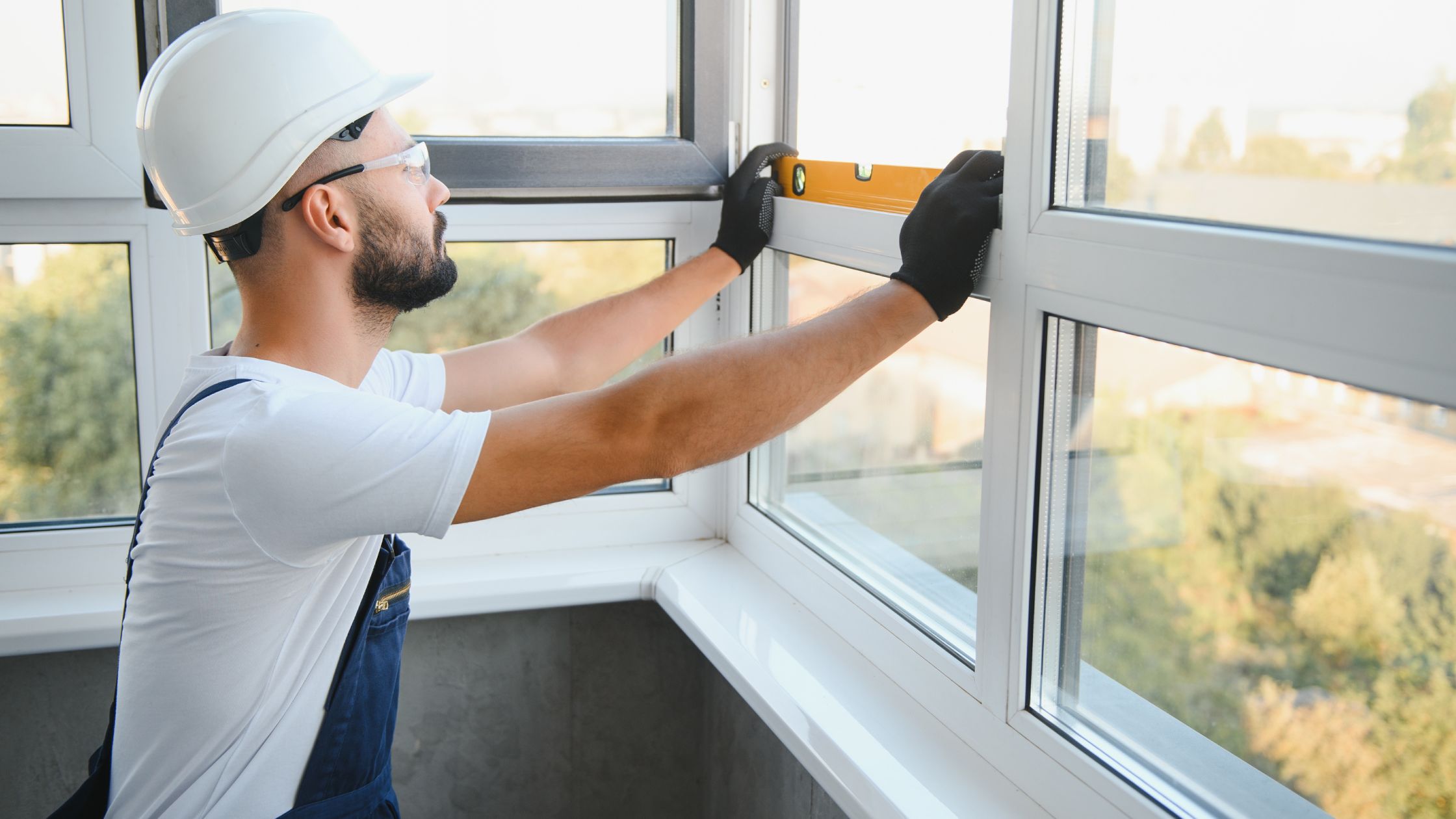
Replacing windows in Los Angeles involves more than choosing the right style or material. City and state rules are in place to confirm that new windows meet safety, energy, and occupancy standards. In many cases, a permit is required, especially when the window frame is altered or replaced, and inspections are part of the process.
Here are the key permit and code requirements Los Angeles homeowners should be aware of before starting a window replacement project.
Title 24 energy code compliance: California requires replacement windows to meet strict energy ratings. In most of Los Angeles, windows must meet a maximum U Factor of 0.30 and a Solar Heat Gain Coefficient of 0.23. Temporary NFRC labels must stay on the glass until final inspection approval
Emergency egress rules for bedrooms: Sleeping rooms must have at least one window that allows emergency escape. This includes a minimum clear opening of 5.7 square feet, or 5.0 square feet for ground floor windows, with at least 20 inches of width, 24 inches of height, and a sill no higher than 44 inches from the finished floor.
Safety glazing requirements: Tempered safety glass is required in specific locations to reduce injury risk. These areas include windows near doors, inside tubs or showers, close to stairways, and large panes located near the floor.
Smoke and carbon monoxide detectors: During inspection, officials verify that smoke alarms are installed in bedrooms and nearby hallways, and carbon monoxide detectors are present on every level of the home and near sleeping areas.
Historic preservation zone rules: Homes located in designated Historic Preservation Overlay Zones must follow added review steps. Replacement windows often must match original materials, design, and profiles, which can rule out standard vinyl options.
Since permits and inspections are required, professional installation becomes critical to meeting local standards and avoiding rework.
Also Read: Why The Government is Paying Americans To Go Solar!
Why Professional Window Installation Makes a Difference
Even the highest quality windows can fall short if they are not installed correctly. In Los Angeles, factors like stucco exteriors, seismic considerations, and strict building codes make proper installation just as important as the window itself.
Here are the main reasons professional installation plays a major role in window replacement results.
Proper sealing and weather protection: Trained installers seal the window opening to limit air and water intrusion that can lead to drafts or wall damage
Code-compliant installation: Licensed professionals follow local building rules and permit requirements to avoid inspection issues
Structural support and alignment: Correct placement keeps windows square and level, which supports smooth operation and long-term durability
Warranty protection: Many manufacturers require professional installation for warranties to remain valid
Hidden issue detection: Experienced crews can spot framing damage or moisture problems before they become larger repairs
Safer installation process: Professional teams use the right tools and safety practices, especially for upper-level windows
With installation quality addressed, it's worth considering how window replacement fits into broader home energy improvement plans.
Also Read: Add Value To Your Home Projects
Pairing Window Replacement With Solar for Better Results
For Los Angeles homeowners, solar panels are often the first step toward lowering electricity bills, but the results depend on how well your home holds the energy you generate.
Windows play a direct role in indoor temperature control, which means pairing window replacement with solar can improve comfort while reducing how much power your home needs day to day.
Here are the reasons this combination works well for homes across Southern California.
Lower cooling demand: Replacing older windows with double-pane Low E glass reduces heat entering the home, which allows air conditioning systems to run less often
Smaller solar system size: When your home uses less electricity, you may need fewer solar panels to offset usage, which can lower the upfront solar cost
Better interior protection: Modern window glass filters UV exposure that causes fading on furniture, flooring, and interior finishes
Stronger long-term value: Homes with both updated windows and solar systems often attract buyers looking for lower operating costs
Simpler project coordination: Working with one contractor for windows and solar can reduce scheduling issues and shorten overall project timelines
Improved indoor quiet: Dual-pane windows reduce outdoor noise while solar panels operate silently on the roof
Once you see how windows and solar work together, selecting a contractor who understands both becomes a key part of planning your project.
Also Read: 10 Benefits of Solar Energy
Choosing the Right Window Installation Contractor in Los Angeles
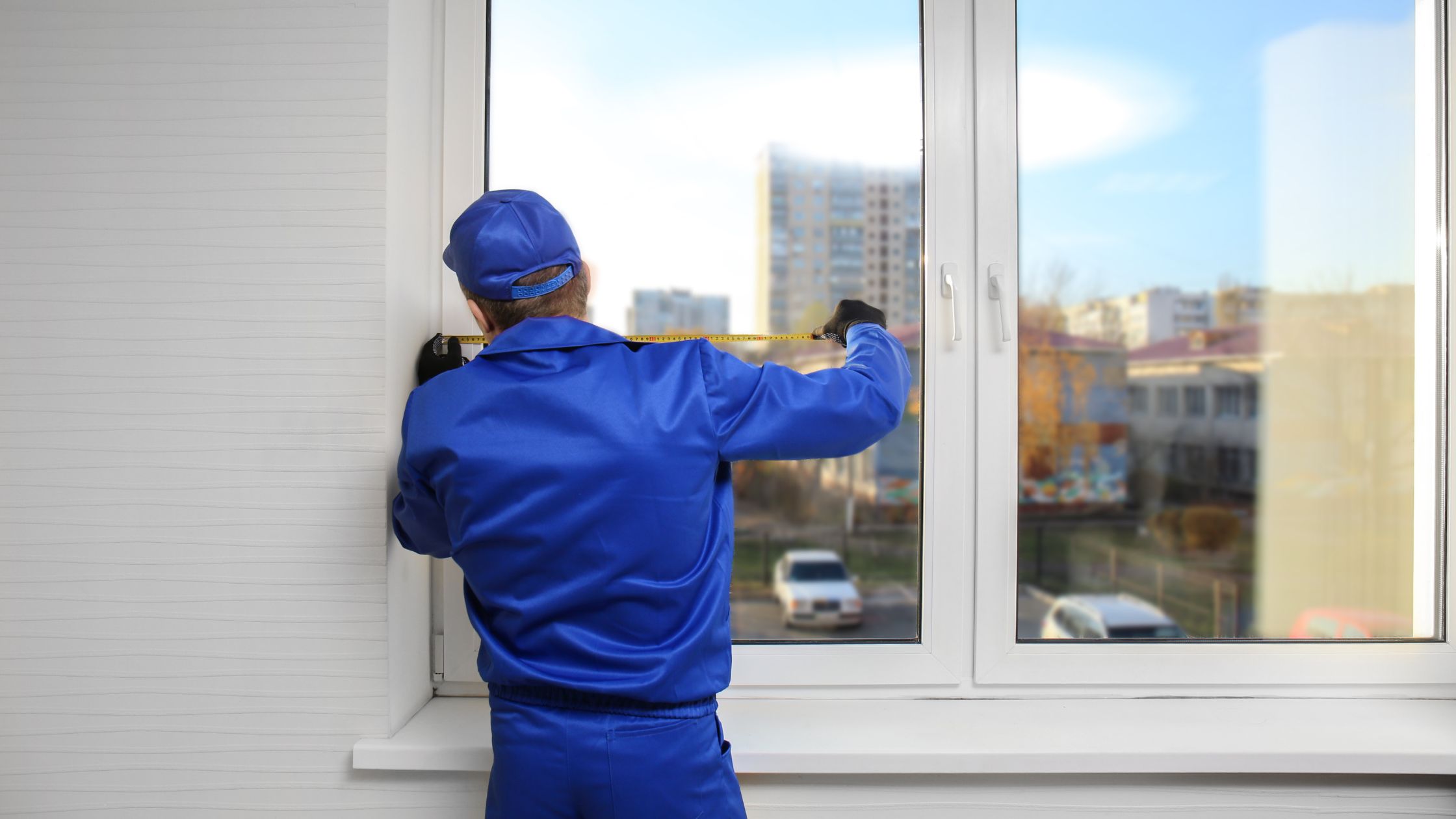
Selecting a window installation contractor affects cost accuracy, code approval, and long-term results. In Los Angeles, experience with local housing styles, permitting rules, and climate conditions helps prevent delays and avoidable issues during the project.
Here are key points to review when comparing window installation contractors in Los Angeles.
Local licensing and insurance: A properly licensed and insured contractor meets state and city requirements and protects you from liability
Los Angeles project experience: Familiarity with stucco exteriors, hillside homes, and older properties helps avoid installation problems
Permit handling: Contractors who manage permits and inspections reduce delays and missed code requirements
Clear written estimates: Detailed quotes outline materials, labor scope, and timelines without vague pricing
Product knowledge: Contractors should explain window materials, glass options, and size limitations based on your home
Warranty coverage: Strong workmanship warranties provide added protection beyond manufacturer coverage
Verified customer reviews: Consistent feedback from local homeowners offers insight into reliability and communication.
Considering these key factors, CA Home Solar stands out for homeowners seeking reliable window installation services across Los Angeles.
Also Read: Eco- Friendly Ways to Renovate your Home
Why Homeowners Choose CA Home Solar for Window Replacement?
Choosing a contractor is about trust, experience, and results. For Los Angeles homeowners, CA Home Solar offers window replacement services built around local knowledge, careful workmanship, and a clear understanding of how windows affect comfort, energy use, and long-term home value.
Here are the reasons many homeowners across Los Angeles turn to CA Home Solar for window installation.
Local experience in Los Angeles homes: Decades of work across Southern California mean familiarity with stucco exteriors, hillside properties, and older home construction
Windows designed to support solar systems: Window selections are chosen to help retain indoor temperatures and support homes with existing or planned solar panels
Custom fit for each home: Every project is based on exact measurements and home style, from modern designs to classic bungalows
Professional installation standards: Installations follow local building codes and industry best practices to support long-term performance
Clear communication throughout the project: Homeowners receive updates, timelines, and answers from start to finish
One contractor for windows and solar: Managing both services under one roof reduces scheduling issues and coordination stress
Strong customer feedback: Consistent reviews highlight reliability, workmanship, and responsive service
To see completed projects and installation results across Los Angeles, explore the Windows Work Gallery and view examples of window replacements completed by CA Home Solar.
Wrapping Up
Understanding window replacement cost in Los Angeles starts with knowing what affects pricing, how windows impact comfort and energy bills, and why proper installation matters. When windows are chosen with climate, building codes, and home design in mind, they support better indoor conditions and long-term value.
If you are planning a window replacement project and want clear pricing and local guidance, contact CA Home Solar today to schedule a consultation and get a personalized quote for your home.
FAQs
Is it worth replacing 20-year-old windows?
In many homes, yes. Windows at this age often lack modern glass coatings and tight seals. This can lead to more heat entering the home and higher cooling costs. Replacement often improves comfort and reduces energy use in warm climates like Los Angeles.
Is it cheaper to replace all windows at once?
Replacing all windows together often lowers the cost per window. Labor, measurements, and inspections are handled in a single project rather than multiple visits. Some homeowners still choose phased replacement if only a few windows show problems.
How can I extend my window's life?
Regular cleaning, checking seals, and addressing moisture early can help extend window life. Avoid forcing stuck windows and protect frames from sun exposure. Maintenance can delay replacement, but cannot fix failed internal seals.
Why is there fog or condensation between my glass panes?
Fog between panes usually means the internal seal has failed. Moisture enters once the seal breaks, and the glass loses its insulating ability. This cannot be cleaned from the outside, and glass or window replacement is required.
Will new windows change how much natural light my home gets?
Most replacement windows allow similar or improved natural light while reducing heat transfer. Modern glass is designed to limit heat and UV exposure without making rooms darker.