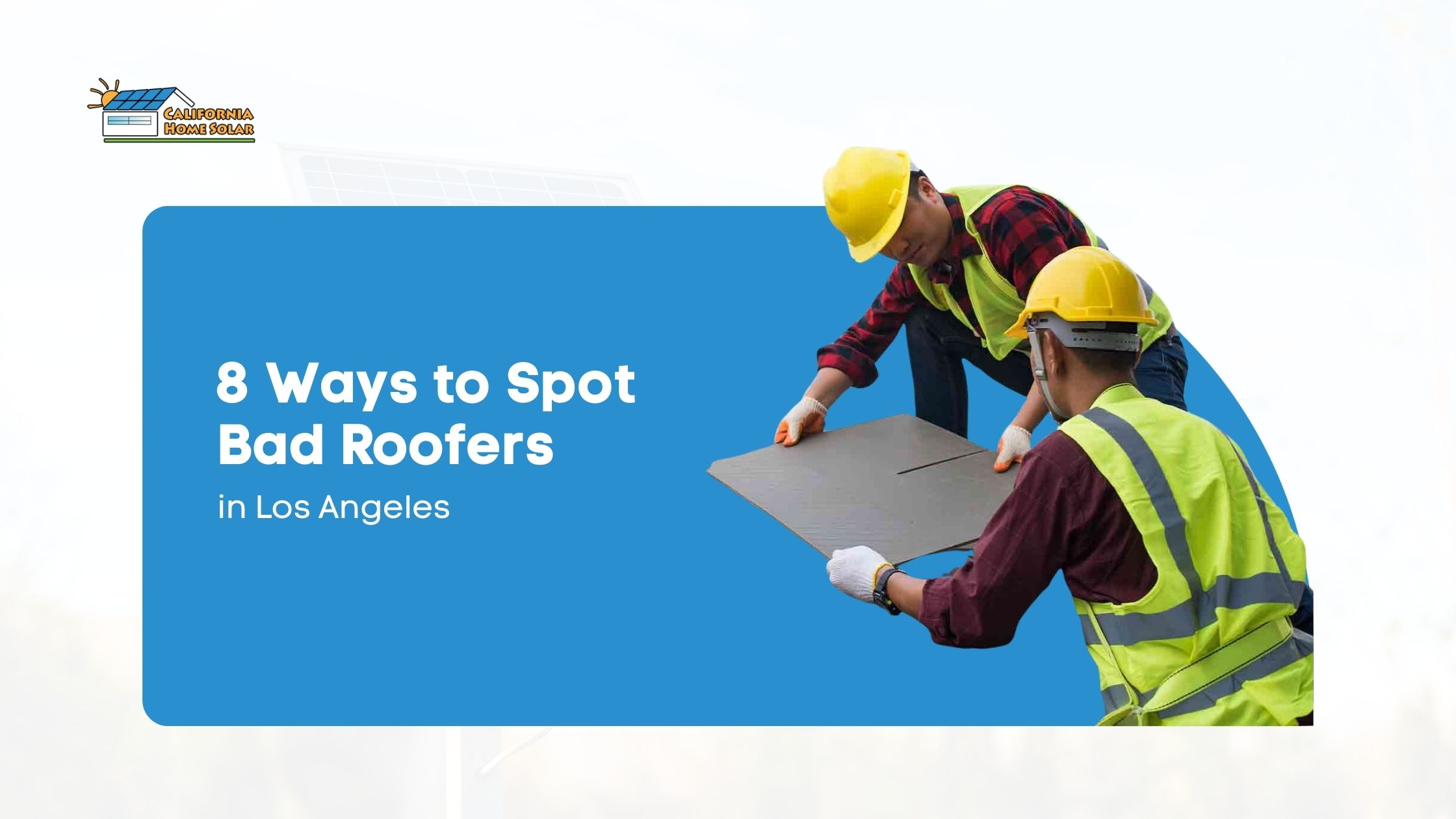
8 Signs of a Bad Roofing Contractor to Avoid
According to the Consumer Federation of America’s Consumer Complaint Survey Report, home improvement and construction issues consistently rank as the second most common consumer complaint in the nation. Many of these complaints involve bad contractors who overpromise, cut corners, or fail to complete the work they were hired to do.
If you are dealing with roof repairs or a full replacement, the pressure to choose a contractor quickly can feel stressful. You may be concerned about rising costs, unclear estimates, or whether a roofer is being honest about what your roof actually needs. Hiring the wrong contractor can lead to poor workmanship, repeat repairs, or no support once the job is paid for.
In this blog, we’ll explore the most common signs of bad roofing contractors, explain why these warning signs matter, and walk through the steps you can take to protect your home before signing a contract.
Key Takeaways:
Bad roofing contractors often reveal themselves early through missing licenses, vague estimates, and pressure to sign quickly.
Verifying licensing, insurance, and bonding helps protect you from financial and legal risk.
Clear, line-item estimates and written warranties reduce the chance of disputes once work begins.
Local contractors with a visible history and recent references are easier to hold accountable.
Taking time to review details before signing a contract can help prevent costly repairs later.
8 Warning Signs You’re Dealing With a Bad Roofing Contractor
Bad roofing contractors often reveal themselves long before the first shingle is removed. The warning signs usually appear during early conversations, inspections, and estimates. Paying attention at this stage helps you avoid poor workmanship, disputes, and long-term damage to your home.
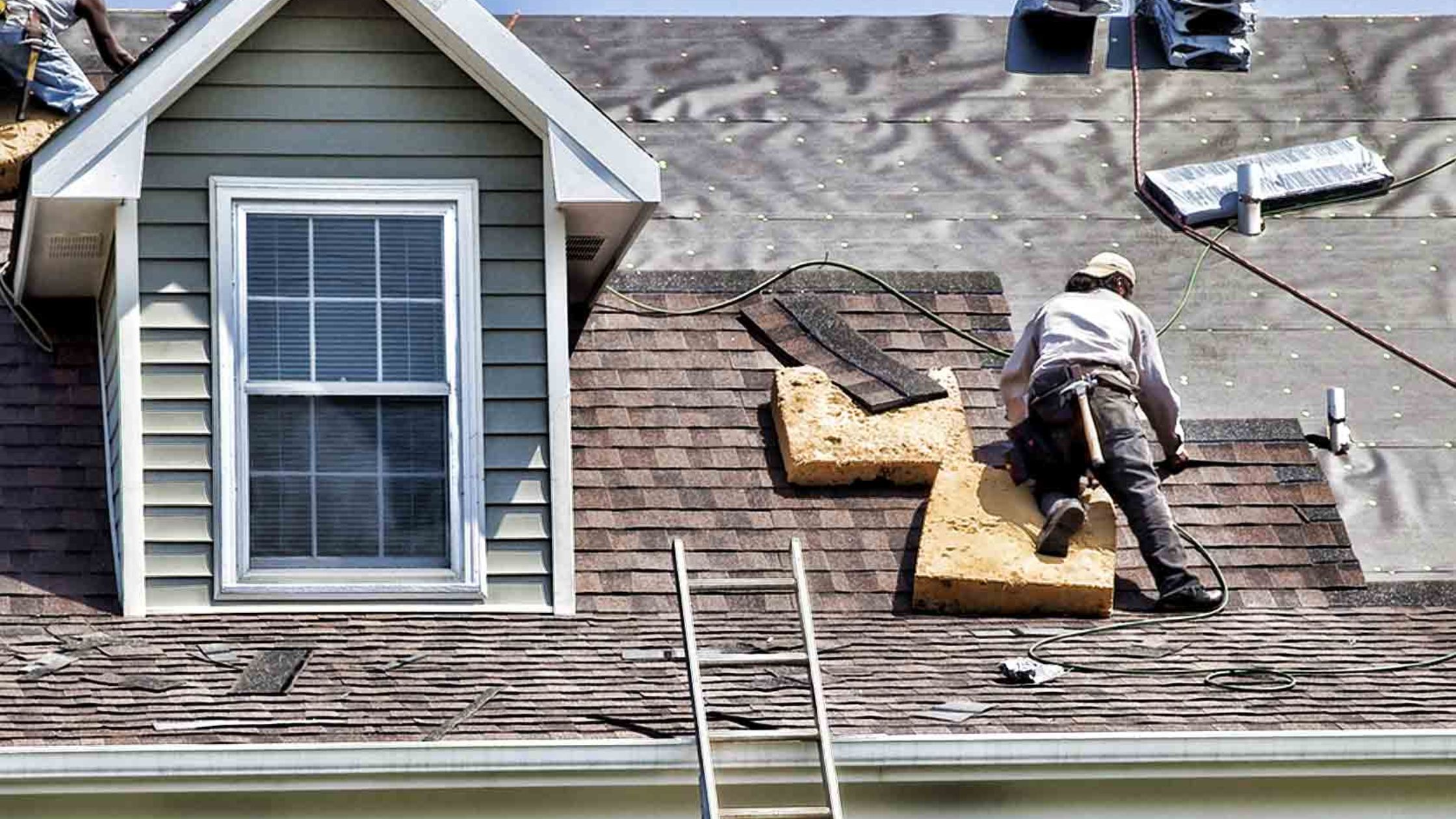
Below are eight common red flags. Each one points to a higher risk and lower accountability. If you notice more than one, it is usually best to stop and reassess before moving forward.
They Are Not Licensed, bonded, or insured.
In California, roofing contractors are required to hold an active license issued by the Contractors' State License Board (CSLB). This license demonstrates that the contractor has met the state's experience, testing, and background requirements. If a roofer cannot show a valid license number, that is a clear sign to walk away. Pay close attention to the license status and the business name on the contract to avoid potential scams.
CSLB license status: The license should be active and match the business name on the contract.
Surety bond coverage: A bond that provides financial protection if the contractor fails to complete the job or violates state rules.
Insurance documentation: General liability insurance covers property damage, while workers’ compensation protects you if a worker is injured on your roof.
Contractors who claim they are self-insured, avoid workers’ compensation, or brush off CSLB verification expose homeowners to serious financial and legal risk.
They are an out-of-state or Storm Chasing Company
After storms, fires, or severe weather, some roofing companies move quickly into affected areas to offer fast repairs. These contractors often lack long-term ties to the community and leave once work slows down. Warning signs to watch for:
No local office: No physical address available in your area.
Recent business start date: A company formed only weeks or months ago.
Warranty concerns: No clear plan for service or repairs after the job is finished.
Roofing warranties are only useful if the company remains reachable. A contractor without a stable local presence offers little protection if problems appear later.
They Ask You to Sign Before Inspecting the Roof
A proper roofing estimate requires a hands-on inspection. Contractors must assess flashing, underlayment, ventilation, and visible damage before recommending repairs or replacement. Be cautious if you notice:
Paperwork before inspection: Requests to sign contracts or insurance forms before anyone steps on the roof.
No documentation: No photos, notes, or measurements from an inspection.
Pressure tactics: Urgency is created around pricing or scheduling before details are reviewed.
A reputable roofer inspects first, explains findings, and then provides a clear proposal. Any demand for a signature before that process is complete is a strong warning sign.
They Have Poor or No Online Reviews
A roofing contractor’s track record should be visible. While one or two negative reviews can happen, patterns matter far more than star ratings alone. Look closely at:
Lack of reviews: No online presence despite claims of years in business.
Repeated complaints: Similar issues mentioned across multiple reviews.
Vague feedback: Reviews with no details about the work performed.
Consistent, detailed feedback from local homeowners shows accountability. A missing or questionable review history often signals problems that repeat from job to job.
The Estimate Is Not Broken Down by Line Items
Clear pricing protects both the homeowner and the contractor. A single lump-sum estimate offers no way to understand what is included or what is missing. A professional estimate should clearly list:
Materials: Roofing type, underlayment, flashing, and accessories.
Labor scope: Removal, installation, and cleanup responsibilities.
Permits and disposal: Local permits and debris removal.
Timeline: Expected start and completion dates.
Without this detail, it becomes difficult to compare bids or spot missing work. Vague estimates often lead to disputes once the project is underway.
They Refuse to Explain the Final Quote
Roofing projects involve many decisions that affect cost. Contractors should be willing to explain pricing in clear terms. Red flags include:
Avoided questions: No direct answers when asked about materials or methods.
Dismissive responses: Statements that shut down discussion.
No written clarification: Refusal to explain pricing in writing.
Clear communication before work begins usually reflects how the project will be handled once it starts. Poor communication early often leads to bigger problems later.
They Offer a Weak or Missing Workmanship Warranty
There is a difference between material warranties and workmanship warranties. Material warranties cover manufacturing defects, while workmanship warranties cover installation errors. Be cautious if you see:
Very short coverage: One year or less for workmanship.
Verbal promises only: Guarantees that are not written into the contract.
No explanation: Failure to explain what the warranty does and does not cover.
A contractor who stands behind their work puts warranty terms in writing and explains them clearly before the job begins.
They Offer Suspiciously Low Pricing
A bid far below others often means corners are being cut. Roofing costs reflect skilled labor, proper materials, permits, and insurance. Low prices are often tied to:
Lower grade materials: Products that fail sooner.
Untrained labor: Crews with little roofing experience.
Missing coverage: Savings passed on by skipping insurance.
Price increases later: Extra charges added once work has started.
A fair price usually falls within a consistent range across multiple estimates. Large gaps should raise questions, not confidence.
After reviewing these warning signs, you can focus on practical steps that help you choose a contractor with clearer standards and accountability.
Also Read: Leaky Roof? Great Time to Upgrade to a Cool Roof
How to Choose a Roofing Contractor You Can Rely On?
Knowing the warning signs helps you avoid bad roofing contractors, but the next step is choosing someone who does the work correctly and stands behind it. A reliable roofer shows clarity, accountability, and consistency before any materials arrive on site.
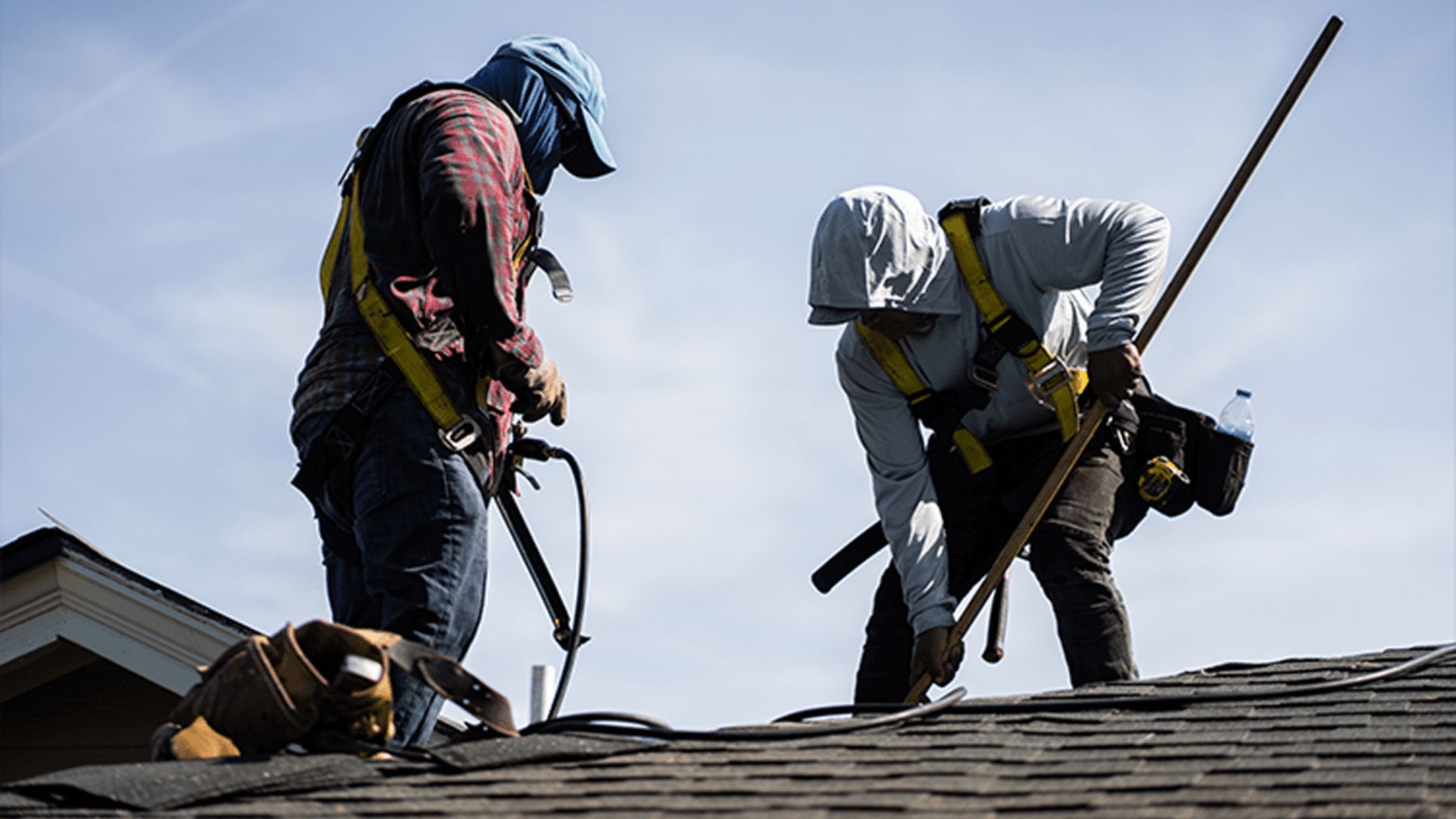
Here are the key steps to follow when selecting a roofing contractor you can trust:
Verify the license: Confirm the contractor holds an active license with the Contractors State License Board. The license number should match the company name listed on your estimate and contract.
Confirm bonding and insurance: Ask for proof of a surety bond, general liability insurance, and workers’ compensation coverage. These protections reduce your exposure if property damage or injuries occur.
Check the physical address: Look up the business location online. A permanent office, rather than a temporary address or P.O. box, shows stability and accountability.
Ask for recent references: Request contact information for homeowners the contractor has worked with in the last three to six months. Recent clients can speak to communication, cleanup, and follow-through.
Review the estimate closely: A clear estimate should list materials, labor, permits, disposal, and timelines. This makes it easier to compare bids and reduces surprise costs later.
Read the contract line by line: Every price, warranty term, and schedule should appear in writing before you sign. Verbal promises should always be reflected in the contract.
Assess communication early: Notice how questions are handled. Contractors who explain materials, timelines, and costs clearly are more likely to manage the project responsibly.
Consider company history: Roofing companies with long-standing local experience tend to have established processes and a reputation they work to protect.
Trust your judgment: If anything feels rushed or unclear, pause before moving forward. Confidence usually comes from transparency, not pressure.
Using these criteria makes it easier to understand why many Los Angeles homeowners choose CA Home Solar for roofing remodeling and long-term support.
Also Read: Five benefits of installing a Cool Roof
Why Homeowners Choose CA Home Solar for Roofing Remodeling
Choosing a roofing contractor is about more than materials and pricing. Homeowners want clear communication, dependable workmanship, and confidence that the company will still be available years after the project is finished. CA Home Solar has built its roofing remodeling services around these expectations, with a focus on long-term reliability, local accountability, and careful project planning.
Here are the key reasons homeowners across Los Angeles choose CA Home Solar for roofing remodeling:
Licensed and locally established: CA Home Solar operates as a fully licensed contractor in California, with a permanent office in Sherman Oaks. This local presence means permits, inspections, and follow-up service are handled by a team familiar with Los Angeles requirements.
Roofing remodeling experience: Roofing projects are managed by skilled professionals who handle full replacements, upgrades, and restorations. Each project is approached with attention to structure, weather exposure, and long-term durability.
Solar-ready roof design: Roofs are planned with future solar installation in mind. Structural preparation and layout considerations help ensure the roof can support solar panels without later modifications or added disruption.
Clear estimates and contracts: Homeowners receive detailed estimates that outline materials, labor, permits, and timelines. All pricing and warranty terms are documented before work begins.
Material options for different homes: Projects can include traditional shingles, tile, metal roofing, and other materials suited to the home’s design and local climate conditions.
Energy-focused upgrades: Roofing remodeling can include insulation improvements, reflective surfaces, and ventilation adjustments that support lower energy use and indoor comfort.
Project oversight: Each job is supported by dedicated coordination to keep scheduling, inspections, and communication organized from start to finish.
Proven customer feedback: Hundreds of reviews across major platforms reflect consistent experiences with communication, cleanliness, and follow-through on completed projects.
Long-standing presence in Southern California: With decades of construction and solar-related experience, the company has built processes designed to support homeowners before, during, and after roofing work is complete.
If you would like to see examples of completed projects, explore the Roofing Work Gallery to view recent roofing remodeling work across Los Angeles and surrounding areas.
Wrapping Up
Hiring the right roofing contractor can make the difference between a project that brings peace of mind and one that leads to ongoing repairs and frustration. By recognizing the warning signs of bad roofing contractors and knowing what to expect from a reliable professional, you place yourself in a stronger position before any contract is signed.
To discuss your roofing needs or request a detailed consultation, contact CA Home Solar today. You can call 877-903-1012 or reach out through the website to schedule a review of your roof and learn more about available roofing remodeling options.
FAQs
What are the most common roofing problems?
The most common roofing problems include leaks from damaged flashing, cracked shingles, poor ventilation, clogged drainage paths, and moisture buildup caused by prolonged weather exposure. Left unaddressed, these issues can lead to insulation damage, mold growth, rising energy costs, and gradual structural deterioration inside the home.
How much should it cost to fix a roof?
Roof repair or replacement costs vary based on damage severity, roof size, materials used, labor rates, and local permitting requirements. Most California roof replacements fall between $17,000 and $30,000, driven by roof size, material choice, and regional labor costs.
What is the biggest problem roofers face?
One of the biggest problems roofers face is identifying hidden damage that is not visible during standard surface-level inspections. Underlying moisture, aging materials, and past installation errors often complicate planning and can expand the scope of required repairs.
How often should a roof be inspected if no issues are visible?
Even when no problems appear visible, roofs should be professionally inspected every one to two years to monitor gradual wear. Inspections following heavy rain, strong winds, or heat waves can also reveal early issues before damage spreads further.
Can roof repairs improve home resale value?
Completed roof repairs can improve resale outcomes by reducing buyer concerns and helping inspection reports show fewer unresolved issues. Buyers often view documented maintenance as a sign of responsible ownership, which may support smoother negotiations and closing timelines.