
For homeowners in California, a solid roof isn’t just about comfort; it’s what protects your home from storms, heat, and long-term damage. When that roof is hit by severe weather or falling debris, the cost of repairs or replacement can feel overwhelming.
And if you’re planning to invest in solar panels, roof health becomes even more important, since installers won’t work on a surface that isn’t structurally sound.
Understanding how to get insurance to pay for roof replacement can ease that burden and help you plan ahead with confidence. The process goes beyond reporting damage; it requires clear documentation, knowing what your policy covers, and working with the right experts.
This guide breaks down the steps so you can approach your claim prepared and improve your chances of approval.
Key Takeaways
Success begins with clear, date-stamped photographic evidence of damage taken immediately after a weather event.
Your payout depends on whether you have a Replacement Cost Value (RCV) or Actual Cash Value (ACV) policy.
Most insurance carriers have strict filing windows, often ranging from 30 days to one year from the date of the incident.
Having a trusted roofing contractor present during the adjuster's inspection can prevent legitimate damage from being overlooked.
Insurance covers sudden and accidental damage, not issues caused by long-term neglect or age-related wear and tear.
Understanding Your Policy: RCV vs. ACV
Before you can master how to get insurance to pay for roof replacement, you must understand what your specific policy is designed to cover.
Insurance companies typically use two different methods to calculate your payout, and the difference can amount to thousands of dollars out of pocket.
Replacement Cost Value (RCV)
An RCV policy is the gold standard for homeowners. Under this agreement, the insurance company pays the full cost to replace your roof with a new one of similar quality at today’s market prices, regardless of how much the old roof has depreciated.
Usually, the insurer provides an initial check for the depreciated value and then releases a second check once the work is completed and invoiced.
Actual Cash Value (ACV)
An ACV policy factors in depreciation. If your roof is 15 years old and has a 20-year life expectancy, the insurance company will only pay for the remaining 25% of its value. This often leaves homeowners responsible for a large portion of the replacement cost.
Understanding which policy you hold is the first step in setting realistic expectations for your solar panel home investment decision.
Transitioning from policy theory to real-world action starts with the moment you suspect damage has occurred.
6 Steps to Get Insurance to Pay for Your Roof Replacement
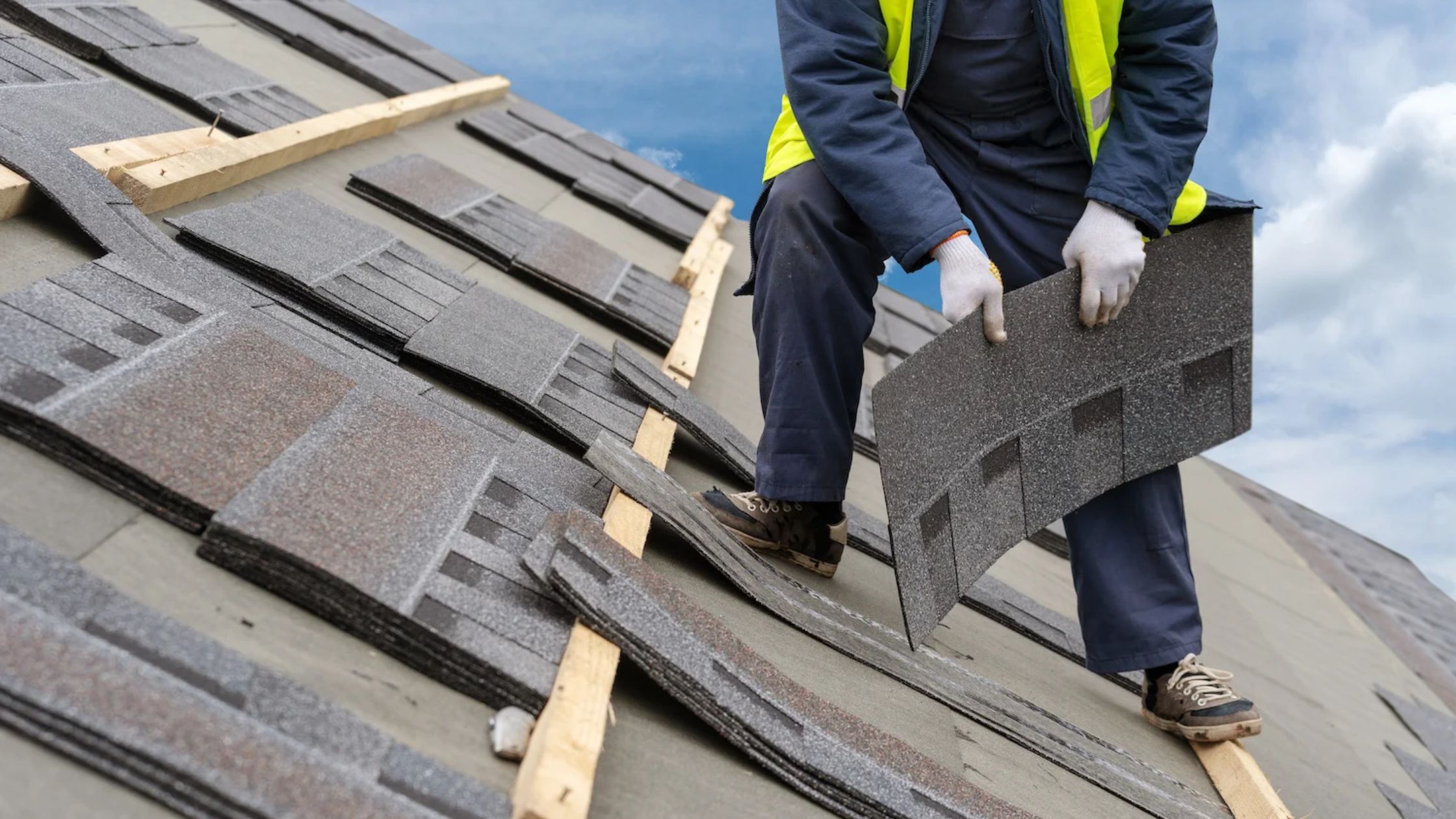
Handling a roof claim involves following a specific sequence of actions to ensure the insurance carrier recognizes the validity of the loss. Most successful claims result from proactive communication and clear proof of storm impact.
Taking a structured approach helps prevent administrative errors that could lead to a denial of coverage.
Step 1: Identify the Date of Loss and Document Damage
As soon as a storm passes, determine the exact date the weather event occurred. Walk around your property and take date-stamped photos of any missing shingles, cracked tiles, or fallen debris.
Look for secondary signs of damage on gutters, window screens, and fences to provide a complete picture of the storm's impact.
Step 2: Schedule a Professional Roof Inspection
Contact a reputable local roofing contractor to perform a detailed assessment. A professional can identify structural compromises that are not visible from the ground, such as granular loss or internal leaks.
They will provide a written report that serves as an expert second opinion when you eventually file your claim.
Step 3: File the Claim with Your Insurance Carrier
Call your insurance agent or use their online portal to officially report the damage. Provide them with the date of the loss and a brief summary of what you discovered during your initial walk-through.
At this stage, you will be assigned a claim number, and an adjuster will be scheduled to visit your property.
Step 4: Meet with the Insurance Adjuster
When the adjuster arrives to inspect the roof, try to have your roofing contractor present. Your contractor can point out specific areas of concern and discuss technical details with the adjuster to ensure the scope of work is fully understood.
This collaborative approach helps ensure that all necessary repairs are included in the initial estimate.
Step 5: Review the Settlement and Summary of Loss
Once the adjuster completes their review, the insurance company will send a Summary of Loss statement detailing the payout. Carefully review this document to ensure the square footage and material quality match your actual roof.
If the estimate is lower than the quotes provided by your contractor, you can submit a supplement request to bridge the financial gap.
Step 6: Hire a Licensed Contractor and Complete Repairs
After the initial check is issued, hire your contractor to begin the work. Once the replacement is finished, submit the final invoice and a certificate of completion to the insurance company.
This triggers the release of any remaining funds, such as the final depreciation payment, allowing you to settle the balance with your contractor.
Also Read: Beyond the Roof – Benefits of Ground-Mounted Solar Panels
Why Roof Claims Get Denied (And How to Avoid It)
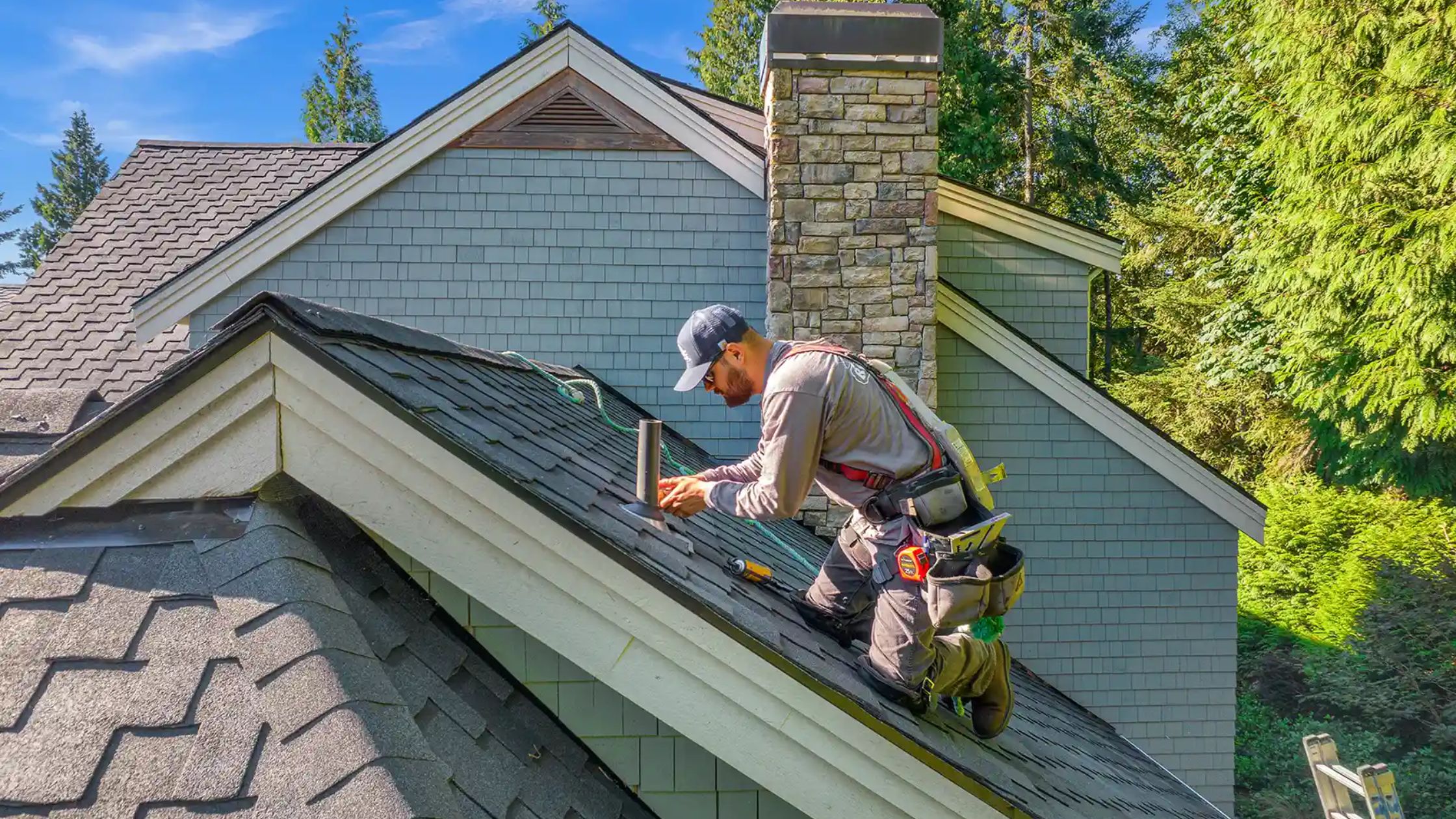
Even when you follow the steps for how to get insurance to pay for roof replacement, certain factors can lead to a rejection. Being aware of these hurdles allows you to be proactive.
Age Exclusion: Many insurers will not cover a full replacement for roofs over 20 years old, instead offering only a partial repair or a heavily depreciated ACV payout.
Lack of Maintenance: If an adjuster finds that the leak was caused by old, uncleared debris or moss growth rather than a storm, the claim will be denied as a maintenance issue.
Late Filing: Waiting several months after a storm to file a claim can lead to a denial. The insurer may argue that the damage worsened due to your neglect in reporting it promptly.
Functional Damage Requirements: Some policies exclude surface-level damage. They may admit hail marked your shingles, but deny the claim if they believe the shingles are still shedding water effectively.
Understanding these risks reinforces the need for a professional partner who can advocate for the functional necessity of the replacement.
Also Read: 5 Reasons to Go Solar
The Intersection of Roofing and Solar Success
At CA Home Solar, we often encounter homeowners who want to go solar but discover their roof is at the end of its lifespan. This is where knowing how to get insurance to pay for roof replacement becomes a powerful financial tool.
If a storm has recently passed through your area, you may be eligible for a roof replacement covered by insurance.
By coordinating the roof work and the solar installation, you ensure that your solar panels are mounted on a brand-new, warrantied surface. This prevents the high future cost of having to remove and reinstall solar panels to fix an old roof later.
A new roof not only protects your interior but also provides the structural integrity required for a high-efficiency energy system.
Wrapping Up
Mastering how to get insurance to pay for roof replacement is about being an informed and proactive homeowner. By documenting damage early, understanding your policy limits, and working with experts, you can turn a stressful situation into a valuable home upgrade.
Whether you are repairing storm damage or prepping for a solar panel home investment decision, a high-quality roof is the most important asset your house possesses.
Why Choose CA Home Solar?
Homeowners across California trust CA Home Solar because we understand that energy independence starts with a solid foundation. We work alongside homeowners to ensure their properties are ready for the future.
Holistic Approach: We evaluate your roof and your energy needs simultaneously.
Local Expertise: We are familiar with the specific weather patterns and building codes of Southern California.
Seamless Coordination: We help you understand the timeline for roof readiness before we begin any solar work.
Contact CA Home Solar today for a personalized cost-benefit analysis and discover how a custom solar installation can stabilize your monthly utility expenses.
Frequently Asked Questions (FAQs)
1. Can I use my insurance money for something other than the roof?
No. Most insurance companies require proof of completion, such as a final invoice from a licensed contractor, before they release the final payment for depreciation. Using the money for other purposes can be considered insurance fraud.
2. What if my claim is denied?
You have the right to appeal. You can request a different adjuster for a second look or hire a public adjuster, an independent professional who works for you to negotiate with the insurance company for a fee.
3. Will my insurance premiums go up if I file a roof claim?
Generally, a single claim for a weather event should not cause an individual premium hike. However, insurance companies may raise rates for an entire region if the area is hit by a widespread disaster.
4. How long does the insurance claim process take?
Typically, the process from filing the claim to receiving the first check takes between 15 and 45 days. The actual construction of the roof usually takes 1 to 3 days once the materials are on-site.
5. Should I get multiple quotes if insurance is paying?
While the insurance company will provide an estimate, getting your own quotes ensures that the insurer's estimate is actually accurate for your local area. This helps you advocate for a higher payout if the estimate is too low to cover quality materials.