
Replacing a roof is stressful because the numbers are rarely clear. You’re trying to protect your home, plan your budget, and avoid surprises, yet every estimate seems different. If you’re wondering why prices vary so much and what you should realistically expect to pay, that confusion can feel frustrating.
You might be asking whether a repair is enough, how roof size or materials affect the final bill, or why labor costs seem so high. You want straight answers that help you decide what makes sense for your home, not vague ranges that leave you guessing.
In this blog, we’ll explore how much a roof replacement costs in California, what drives pricing up or down, how materials and home size affect totals, when repair makes more sense than replacement, and how to get an accurate estimate without hidden costs.
Key Takeaways:
Most California roof replacements fall between $17,000 and $30,000, driven by roof size, materials, and labor costs.
Roofing material choice is the largest cost factor, with asphalt on the low end and tile or metal roofs costing much more.
Labor makes up a large share of pricing due to safety rules, insurance, and installation standards.
Repairs cost less upfront, but full replacement often makes more financial sense for older roofs or repeated issues.
Replacing the roof before installing solar panels helps avoid future removal and reinstallation costs.
Average Roof Replacement Cost in California (Quick Breakdown)
When you’re trying to budget for a roof replacement, you need clear numbers you can anchor to. In California, costs tend to run higher due to labor rates, permitting, and material standards, so relying on national averages can lead to sticker shock. Getting a realistic snapshot upfront helps you plan with fewer surprises.
Here are the average roof replacement costs California homeowners typically see:
Cost Factor | Verified 2026 Range (California) |
Average total roof replacement cost | $17,000 – $30,000 |
Roof replacement cost per square (100 sq ft) | $500 – $1,000 |
Cost per square foot | $5 – $10 |
Asphalt shingle roof (most common) | $15,000 – $18,000 |
Tile roof replacement | $20,000 – $35,000+ |
Metal roof replacement | $25,000 – $40,000+ |
Labor portion of total cost | 40% – 60% |
Tear-off and disposal | $2,000 – $5,000 |
Pricing varies widely, and that difference usually comes down to a few key factors tied directly to your home.
Also Read: Leaky Roof? Great Time to Upgrade to a Cool Roof
5 Key Factors That Determine Your Roof Replacement Cost
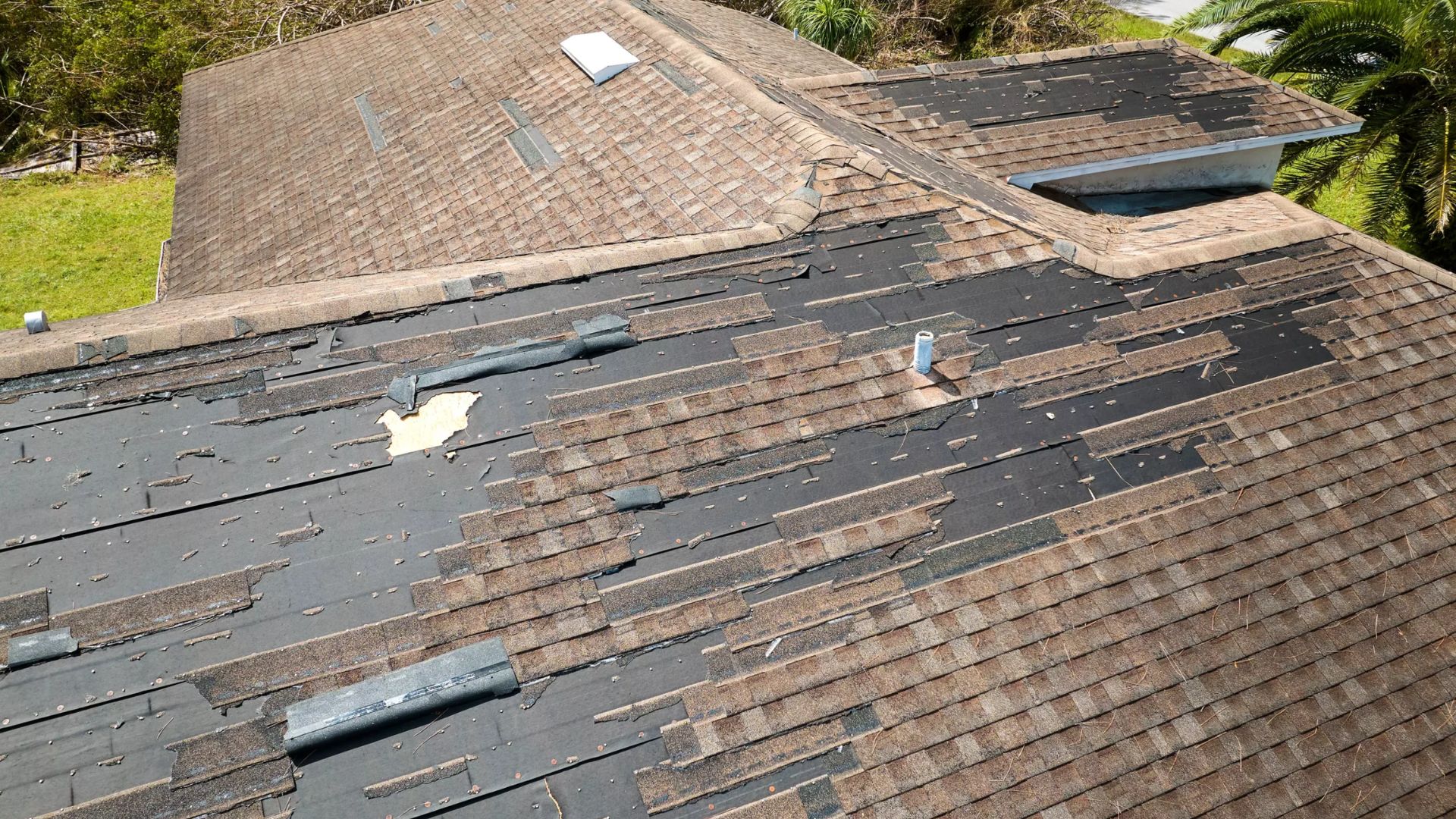
Roof replacement pricing isn’t random. A few specific details about your home and existing roof shape the final number you see on an estimate. Knowing these factors ahead of time helps you understand why quotes differ and what actually drives the cost.
Here are the five factors that have the biggest impact on roof replacement pricing.
Roofing Material
The material you choose affects labor time, structural needs, and long-term durability. Some options cost more upfront because they weigh more, take longer to install, or require added reinforcement.
Here are common material choices and their typical cost ranges:
Roofing Material | Typical Cost Range | Notes |
Asphalt shingles | $15,000–$20,000 | Most budget-friendly; cool-roof shingles are often required by CA codes |
Concrete & clay tiles | $25,000–$45,000+ | Heavy materials with higher labor and structural demands |
Metal roofing | $25,000–$40,000+ | Higher upfront cost, strong fire resistance, and solar compatibility |
Flat roof systems (TPO / torch down) | $12,000–$25,000 | Pricing varies by membrane thickness and insulation |
Roof Size
Roofing costs are based on total surface area, measured in “squares,” with one square equal to 100 square feet. As size increases, material, labor, and disposal costs rise with it.
Here are typical price ranges for standard shingle roofs:
Roof Size | Squares | Typical Cost Range |
1,000 sq ft | 10 | $10,000–$15,000 |
1,500 sq ft | 15 | $15,000–$22,000 |
2,000 sq ft | 20 | $20,000–$28,000 |
3,000+ sq ft | 30+ | $30,000–$45,000+ |
Roof Pitch and Complexity
Steeper roofs and complex layouts take more time and require extra safety measures. Features that break up the roofline increase cutting, flashing, and waterproofing work.
Here are factors that raise labor costs:
Steep pitch: Adds about 20–30% to labor due to safety equipment and slower installation.
Complex layouts: Valleys, dormers, skylights, and chimneys increase material waste and labor time.
Accessibility and Height
How easy it is to access your roof plays a direct role in pricing. Crews work faster and safer when materials and equipment can be moved without obstacles.
Here are common access-related cost impacts:
Single-story homes: Base pricing with standard access.
Multi-story homes: Add roughly 10–20% due to lifting equipment and setup time.
Limited access sites: Hillsides, narrow driveways, or tight lots increase labor hours and logistics costs.
Tear-Off and Disposal Layers
Removing the old roof is often a major line item, especially when multiple layers or heavy materials are involved.
Here are typical tear-off and disposal costs:
Existing Roof Condition | Typical Cost Range | Why It Costs More |
One existing layer | $2,000–$3,000 | Standard labor and disposal |
Multiple layers | $4,000–$6,000+ | Extra labor and higher dump fees |
Tile roof tear-off | $4,000–$6,000 | Heavy materials increase handling and disposal costs |
Among all cost drivers, labor often plays the largest role, so it’s worth understanding how contractor pricing works in California.
“Want to see how these factors affect your roof?”
Get a personalized roof cost estimate based on your home’s size, material, and layout — no obligation.
Roofing Labor Costs & Contractor Pricing in California

Labor makes up a large share of roof replacement pricing in California. In most cases, it accounts for 40–60% of the total cost. When you review a contractor’s estimate, the labor line isn’t just about time on the roof. It reflects experience, legal protections, and the steps required to meet state standards.
Why Labor Costs Are Higher in California
Roofing labor costs more in California for clear, practical reasons tied to regulations, safety, and skill requirements.
Here are the main factors behind higher labor pricing:
Labor laws and cost of living: Contractors must pay competitive wages and follow state labor protections.
Title 24 compliance: Energy standards require cool-roof rated materials and precise installation methods.
Safety and insurance: Workers’ compensation coverage is required, reducing homeowner liability.
Experience level: Installation quality directly affects roof lifespan, so skilled crews command higher rates.
What Roofing Labor Costs Typically Cover
Labor pricing includes far more than installation hours. Each item protects the project and the homeowner.
Here are common elements included in labor costs:
Trained roofing crews and provided on-site supervision
Jobsite safety equipment and procedures
Permitting coordination and inspections
Manufacturer and workmanship warranty requirements
Cleanup and debris handling during the project
Why Lower Labor Quotes Can Be Risky
A significantly lower labor quote often means corners are being cut. This may show up as missing insurance, rushed installation, or skipped code requirements.
Here are common warning signs:
No proof of workers’ compensation coverage
Vague labor descriptions on estimates
Limited or missing workmanship warranties
With labor pricing in mind, many homeowners start weighing the cost difference between fixing problems and starting fresh.
Also Read: Cool Roofs = Energy Savings (more money in YOUR pocket)
Roof Replacement vs Roof Repair: Which Saves More Money Long-Term?
When your roof starts showing problems, the first question is often whether a repair will be enough or if a full replacement makes more financial sense. The right choice depends on the roof’s age, the extent of damage, and how long you plan to stay in the home. Comparing both options side by side makes the decision clearer.
Here are the key differences between roof repair and roof replacement:
Factor | Roof Repair | Roof Replacement |
Upfront cost | $500 – $5,000 | $17,000 – $30,000+ |
Lifespan added | 2 – 5 years (if the roof is in fair shape) | 20 – 50 years (based on material) |
Risk of hidden damage | Higher, underlying issues may remain | Lower; decking is exposed and fixed |
Energy and code compliance | Limited improvement | Meets Title 24 and current energy standards |
Resale value impact | Minimal | Noticeable boost to home value |
Best for | Localized issues on newer roofs | Older roofs or long-term ownership |
When Roof Repair Makes Sense?
Roof repair can be a smart choice when the rest of the system is still in good condition, and problems are limited. Here are situations where repair is usually enough:
The roof is under 10–15 years old
Damage is limited to missing shingles, flashing, or small leaks
You plan to sell soon and want to limit upfront spending
The roof structure is sound, and repairs can extend its life a few years
When Roof Replacement Makes Sense?
Replacement costs more upfront but often saves money over time by removing repeat repairs and improving performance. Here are situations where replacement is the better option:
The roof is 20+ years old
There are multiple leaks or sagging areas
Repairs have been done repeatedly with short-term results
You plan to stay long-term and want a full lifespan reset
Code compliance and fire-resistant materials matter for your area
Sometimes, the decision isn’t about visible damage at all. The average cost of remodeling a roof often reflects functional upgrades, not just leak prevention.
If you plan to add solar panels, installing them on a roof with only five years of remaining life is a costly mistake. You would later need to pay for panel removal, roof replacement, and reinstallation. Replacing the roof first avoids paying twice and protects your investment.
Also Read: Five benefits of installing a Cool Roof
Even after choosing repair or replacement, extra items can still affect pricing once work begins or inspections reveal hidden issues.
Additional Costs That Can Increase Pricing
Even with a solid base estimate, some costs only become clear once work begins or local requirements are confirmed. These items don’t apply to every home, but when they do, they can raise the final price more than homeowners expect.
Here are common add-ons that can increase roof replacement pricing:
Permits and inspections: Local building departments may require permits and scheduled inspections, which can add $1,000–$3,000, depending on jurisdiction.
Structural repairs: Damaged decking or framing found during tear-off may need repair, adding $2,000–$5,000 based on the extent of the issue.
Upgraded underlayment: Premium waterproof barriers or fire-resistant layers can raise material costs by $1,000–$2,500.
Gutter and flashing replacement: Replacing gutters, downspouts, or flashing around chimneys and skylights often adds $1,500–$4,000.
Ventilation improvements: Ridge vents, attic fans, or improved airflow systems may add $500–$2,000.
Special disposal fees: Heavy materials like clay tile or regulated waste can increase hauling and dump fees to $2,000–$6,000.
Solar readiness: Reinforcing the roof or adding mounting points for future solar panels can add $2,000–$4,000, helping avoid removal and reinstallation costs later.
Some added costs relate to future planning, especially if solar panels are part of your long-term home improvement plans.
Also Read: Add Value To Your Home Projects
Why and When Roof Replacement and Solar Should Be Done Together
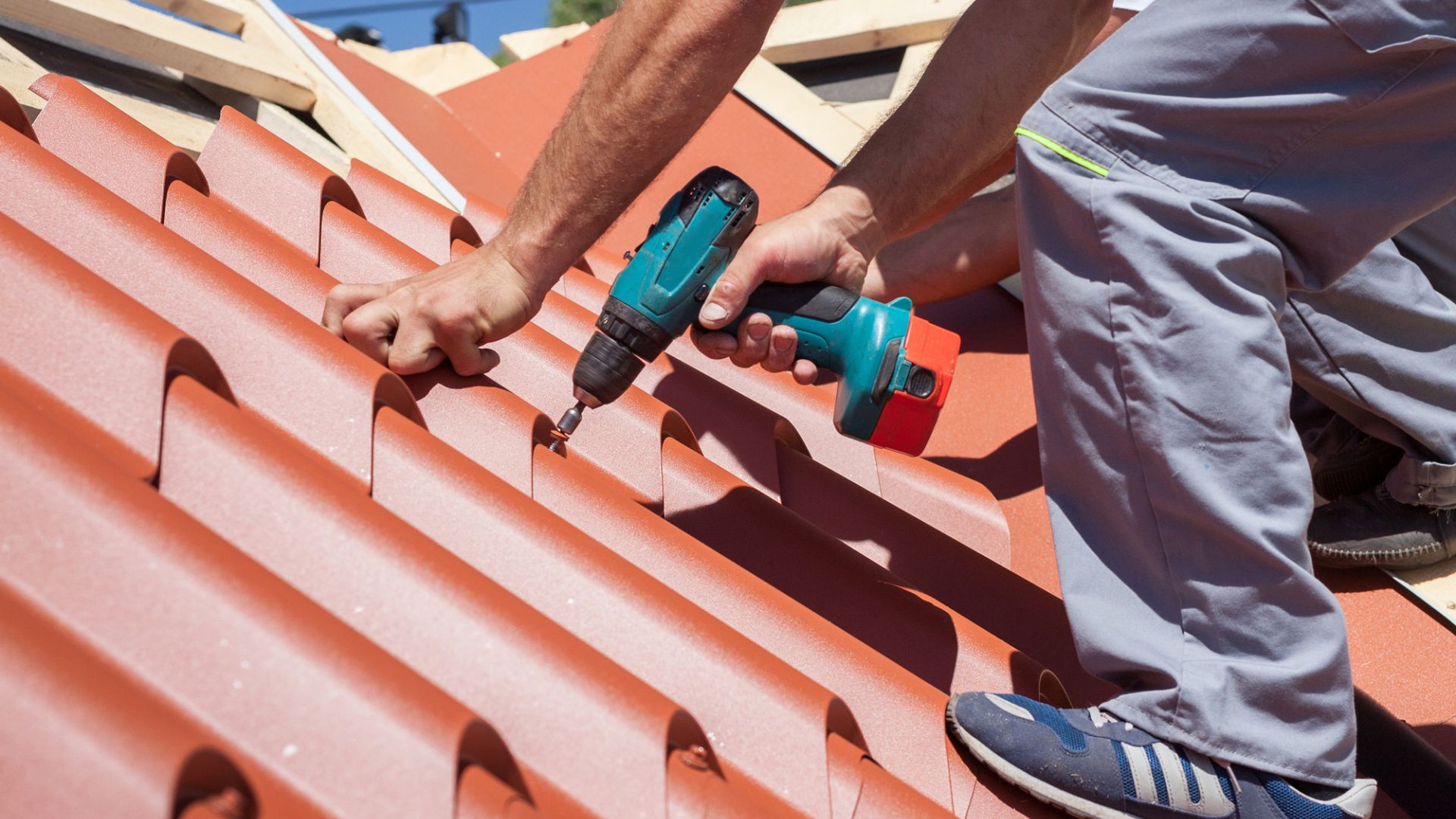
If solar panels are part of your long-term plan, the condition of your roof matters just as much as the system itself. Installing solar on an aging roof often leads to extra costs later, while combining both projects can reduce repeat work and future disruption.
Here are reasons homeowners often choose to replace their roof and add solar upgrades at the same time:
Single-point warranty coverage: When one contractor handles both installations, responsibility is clear if leaks or issues appear later.
Reduced labor and equipment fees: Crews, dumpsters, and scaffolding are brought in once, avoiding duplicate setup and removal costs.
Integrated financing options: Bundling roof and solar work into one loan package can mean one payment instead of two separate bills.
Structural reinforcement: With the roof deck exposed, rafters can be strengthened where solar panels will sit, meeting seismic and load standards.
Improved energy performance: Open access to the roof deck allows for radiant barriers or insulation upgrades that reduce heat gain and support solar output.
Long-term alignment: A new roof with a 25–50 year lifespan lines up with the expected service life of solar panels, avoiding future removal and reinstallation.
Permit and inspection savings: Combining projects can cut down on separate permits and inspection visits.
Resale value boost: Homes with both a new roof and solar panels often appeal more to buyers and may command higher resale prices.
When projects overlap, working with a company familiar with both roofing and solar can reduce confusion and delays.
Also Read: Solar Panel Design Ideas for Your Home
Why Homeowners Choose California Home Solar
Choosing a contractor for roof replacement or remodeling comes down to trust, experience, and clear communication. You want a team that understands local building rules, plans carefully, and treats your home with care from start to finish.
Here are reasons homeowners across Los Angeles choose California Home Solar:
Local roofing experience: The team brings decades of hands-on work across Southern California, with familiarity in local codes, weather conditions, and permitting requirements.
Roof remodeling focus: Services go beyond basic replacement, covering repairs, upgrades, and full remodeling based on your home’s structure and long-term plans.
Solar-ready planning: Roofs are built with future solar installation in mind, helping avoid panel removal costs later.
Dedicated project management: Each project is overseen by a single point of contact who coordinates crews, timelines, and inspections.
Attention to detail: Ventilation, flashing, underlayment, and structural support are addressed during planning, not after problems appear.
Clear communication: Homeowners are kept informed throughout the process, from initial inspection through final sign-off.
Proven customer feedback: Hundreds of verified reviews reflect consistent workmanship, responsiveness, and follow-through.
This approach helps homeowners make confident decisions while protecting both their roof and long-term investment. Explore our Roofing Work Gallery to review project photos, roof materials, and installation results, then decide your next step with confidence.
Final Thoughts
A roof replacement is a major investment, and the right choice comes from clear cost insight and realistic planning. When you understand what drives pricing, compare repair versus replacement honestly, and account for future upgrades, you can move forward with fewer surprises and better long-term results.
Contact us today to schedule a consultation and get a detailed roof replacement estimate tailored to your property.
FAQs
How long does a roof replacement usually take from start to finish?
Most roof replacements take 2 to 5 days, but the exact timeline depends on several factors. Roof size, material type, number of layers being removed, and inspection schedules all affect duration. Tile and metal roofs usually take longer than asphalt shingles, and unexpected structural repairs can extend the schedule.
Do I need to move out of my home during a roof replacement?
In most situations, you can stay in your home while the roof is being replaced. The work is done outside, but you should expect noise, vibration, and limited access to certain areas around the house during work hours. Contractors usually recommend securing pets, parking away from the work zone, and planning quieter indoor activities during installation.
What time of year is best for roof replacement in California?
Late spring through early fall is the most common window due to dry weather and predictable conditions. That said, roof replacement can be done year-round. Experienced crews adjust schedules, materials, and installation pacing during cooler months or occasional rain to keep projects on track without compromising quality.
Will my homeowner’s insurance cover roof replacement costs?
Insurance coverage depends on the cause of damage. Events like wind, fallen trees, or sudden impact may qualify for partial or full coverage. Damage caused by age, lack of maintenance, or normal wear usually is not covered. An inspection and documentation are often required before filing a claim, and deductibles still apply.
How can I tell if a roofing estimate is complete and reliable?
A reliable estimate clearly outlines materials, labor scope, tear-off details, disposal, permits, inspections, cleanup, and warranty terms. It should explain what is included and what could change if hidden issues appear. If an estimate lacks detail or avoids written confirmation, it’s a sign to ask more questions before moving forward.