You invested in solar to lower bills and rely on steady power, yet your system may be underperforming without a clear reason. Dust, pollen, bird droppings, and air pollution build up quietly, blocking sunlight and reducing output while you keep paying the same utility rates.
That buildup adds up fast. Studies show energy losses from soiling can range from 2.8% to as much as 50%, depending on how dirty the panels get and local conditions. If your monitoring numbers don’t match expectations, or your savings feel smaller than promised, dirty panels are often the cause.
In this blog, we’ll explore why solar panels get dirty, how often cleaning makes sense, signs your panels need attention, safe ways to clean them, tools to avoid, and when professional help is the better choice, so you can make informed decisions and protect your solar investment.
Key Takeaways:
Dirty solar panels can lose a noticeable amount of power when dust, pollution, and debris block sunlight.
Cleaning needs vary by location, weather, and panel angle, with many homes benefiting from scheduled cleanings each year.
Drops in energy output, visible grime, and higher electric bills are common signs that panels need attention.
DIY cleaning can work for light buildup, but roof access, safety risks, and heavy residue often call for professional help.
Simple habits like trimming trees, watching production data, and limiting bird activity help panels stay cleaner longer.
Why Solar Panel Cleaning Is Important?
Many homeowners assume solar panels take care of themselves once installed. While solar PV systems have no moving parts, their glass surface is constantly exposed to dust, smog, bird droppings, and tree sap. That glass is the entry point for sunlight, when it is covered, energy production drops, even if the system itself is working as designed.
That impact shows up in several clear ways:
Higher energy output: Clean panels allow more sunlight to reach the photovoltaic cells, helping the system produce closer to its rated output. In areas with heavy dust, traffic pollution, or nearby vegetation, performance losses can become noticeable over time.
Longer system lifespan: Dirt buildup, bird droppings, and sap can create hot spots, trap heat, or damage protective coatings, increasing wear on panels and surrounding hardware.
Lower electricity costs: When panels produce more power, you rely less on grid electricity, which supports steadier monthly savings and a faster return on your system.
Warranty protection: Some manufacturers expect regular, reasonable maintenance. Heavy buildup that leads to damage may complicate future warranty claims.
Consistent system performance: Uneven soiling can cause some panels to work harder than others, leading to imbalance across the array.
To prevent performance loss, it helps to know exactly what types of debris collect on panels over time.
How Do Solar Panels Get Dirty?
Solar panels are exposed to the elements around the clock. While they are built to handle outdoor conditions, their flat glass surfaces naturally collect debris from the air and the surrounding environment. Over time, this buildup blocks sunlight and interferes with normal power production.
The most common sources of panel soiling include:
Dust and airborne dirt: In dry regions, fine dust settles quickly and forms a thin layer that acts like shade over the cells, especially during long rain-free periods.
Smog and air pollution: In urban areas, vehicle exhaust and industrial particles create a sticky film that attracts more dirt and resists light rainfall.
Bird droppings: Opaque and acidic, droppings fully block sunlight where they land and can cause hot spots that stress the panel surface.
Pollen: Seasonal pollen coats panels with a yellow film that clings to glass and does not rinse away easily.
Leaves and organic debris: Nearby trees drop leaves and twigs that collect along panel edges, trapping moisture and dirt over time.
Rain residue: Light rain often leaves mineral deposits behind, rather than washing panels clean.
Nearby construction dust: Sand, cement, and fine particles from construction sites can settle on panels and harden in the sun.
Since buildup sources vary by location, cleaning schedules should be based on how quickly these materials collect on your panels.
How Often Should You Clean Solar Panels?
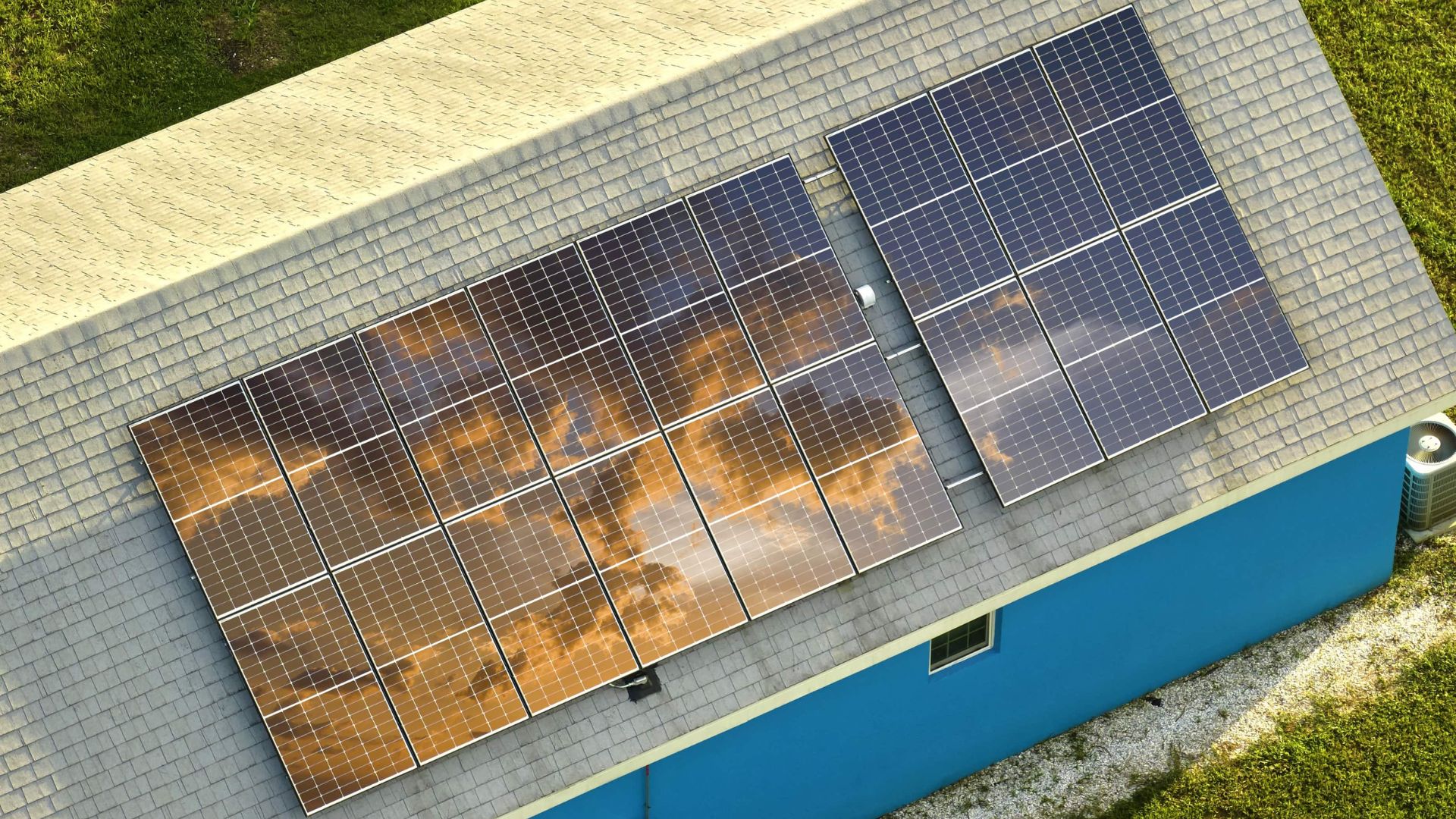
There is no single schedule that fits every home. How often panels need cleaning depends on where you live, how your panels are mounted, and what the local weather brings. In dry regions with long gaps between rain, dirt can build up faster than many homeowners expect.
As a general guide, the following cleaning intervals work for most situations:
Twice a year for many homes: A common schedule is late spring, after pollen season, and late autumn, after summer dust and falling leaves.
Every three months in dusty areas: Homes near freeways, airports, or agricultural zones often see faster buildup and benefit from more frequent cleaning.
After major events: Wildfires, heavy storms, or strong winds can leave ash and debris that should be removed as soon as possible.
When output drops: A sudden change in energy production often points to surface buildup rather than equipment trouble.
Flat or low-tilt systems: Panels with little angle do not shed dirt easily and may need more regular attention.
Do not rely on rain: Light rainfall often leaves mineral streaks and does not remove stuck-on debris like pollen or bird droppings.
Beyond routine planning, your system often gives clear signals when surface buildup begins affecting production.
Clear Signs Your Solar Panels Need Cleaning
Solar panels do not fail suddenly when they get dirty. The warning signs tend to show up slowly, often in places you already check, like your energy bills or monitoring app. Paying attention to these clues can help you act before performance drops further.
Common signs that cleaning is due include:
Lower energy output: A steady decline in daily production on your monitoring app, when weather conditions have not changed, often points to surface buildup.
Visible grime: Panels that look dusty, stained, or gray from the ground are already blocking sunlight.
Uneven appearance: Patchy discoloration or darker areas may signal bird droppings or stuck-on debris.
Higher electricity bills: Increased grid usage during sunny periods can mean your panels are not producing as expected.
Debris around the panels: Leaves collecting along panel edges or signs of bird activity nearby suggest ongoing buildup.
Fast dust buildup nearby: If your car gathers a thick layer of dust within days, your roof is likely collecting the same particles.
Once you know cleaning is needed, understanding the available methods helps you decide how to proceed safely.
Solar Panel Cleaning Methods for Different Situations
There is more than one way to clean solar panels, and the right approach depends on how dirty the surface is, how accessible the panels are, and your comfort level with working at height. Some methods work well for light buildup, while others are better suited for heavy residue.
The most common solar panel cleaning methods include:
Hose rinse: A simple spray with a garden hose can remove loose dust and pollen. This works best for light buildup and is often possible from the ground.
Manual cleaning: Using water with a soft brush or sponge helps remove bird droppings, smog film, and sticky residue that a hose alone cannot wash away.
Professional cleaning services: Trained crews use specialized equipment and purified water to clean panels thoroughly without leaving mineral spots or risking roof damage.
Automated cleaning systems: Robotic cleaners or fixed sprinkler-style systems are more common on large arrays and can reduce manual effort where frequent cleaning is needed.
With several cleaning methods available, deciding between handling the task yourself or hiring help becomes the next consideration.
Professional vs DIY Solar Panel Cleaning
Homeowners often weigh whether to clean solar panels themselves or hire a professional. Both options can work, but the right choice depends on safety, access, and how much buildup is present on the panels.
Here are the key differences between DIY cleaning and professional services:
Factor | DIY Cleaning | Professional Cleaning |
Cost | Lower upfront cost using basic tools | Higher cost due to labor and equipment |
Safety risk | Higher risk when working on ladders or roofs | Lower risk for homeowners |
Cleaning depth | Best for light dust and surface dirt | Better for heavy buildup, stains, and residue |
Water quality | Tap water may leave mineral spots | Purified water reduces spotting |
Time required | Depends on access and panel count | Usually completed in a single visit |
Warranty concerns | Risk if improper methods are used | Lower risk when done correctly |
If you determine that DIY cleaning makes sense, following a clear process helps reduce risk and avoid surface damage.
Step-by-Step Process to Clean Solar Panels Safely
If you are comfortable with heights and have a safe way to access your roof, basic solar panel cleaning can be done at home. The process requires careful timing, the right tools, and strict attention to personal safety, since water, electricity, and elevated surfaces are involved.
Before you begin, prepare and assess safety:
Stay on the ground whenever possible by using long extension poles
If a ladder is required, place it on firm, level ground and secure it at the top
Wear shoes with a strong grip, as wet roofs and panels can be extremely slick
Never step, kneel, or sit on the panels themselves
Do not proceed if you see cracked glass, loose wiring, or exposed cables
Gather the tools you will need:
Garden hose with a gentle spray nozzle (no high-pressure spray)
Soft sponge or soft brush, ideally on an extension pole
Bucket of water; a small amount of mild dish soap, only if needed
Squeegee for removing excess water
Follow these steps carefully:
Turn off the system: Shut down the system at the inverter or disconnect switch to reduce electrical risk while working near wiring.
Choose the right time: Clean early in the morning, late in the evening, or on a cloudy day. Avoid hot panels, as rapid temperature changes can crack the glass.
Rinse loose debris first: Use the hose to wash away dust and grit so it does not scratch the surface during wiping.
Scrub gently: Wipe the glass with a soft brush or sponge using water or lightly soapy water. Avoid abrasive pads and harsh cleaners.
Soften stubborn spots: Let water sit on bird droppings or sap for a few minutes before wiping. Never scrape with hard tools.
Rinse thoroughly: Remove all soap residue, which can attract dirt if left behind.
Remove excess water: Use a squeegee if you can reach safely, or allow the panels to air dry.
If access feels unsafe, the roof pitch is steep, or the panels are difficult to reach, it is safer to leave the job unfinished and seek professional help.
When to Consider Professional Cleaning?
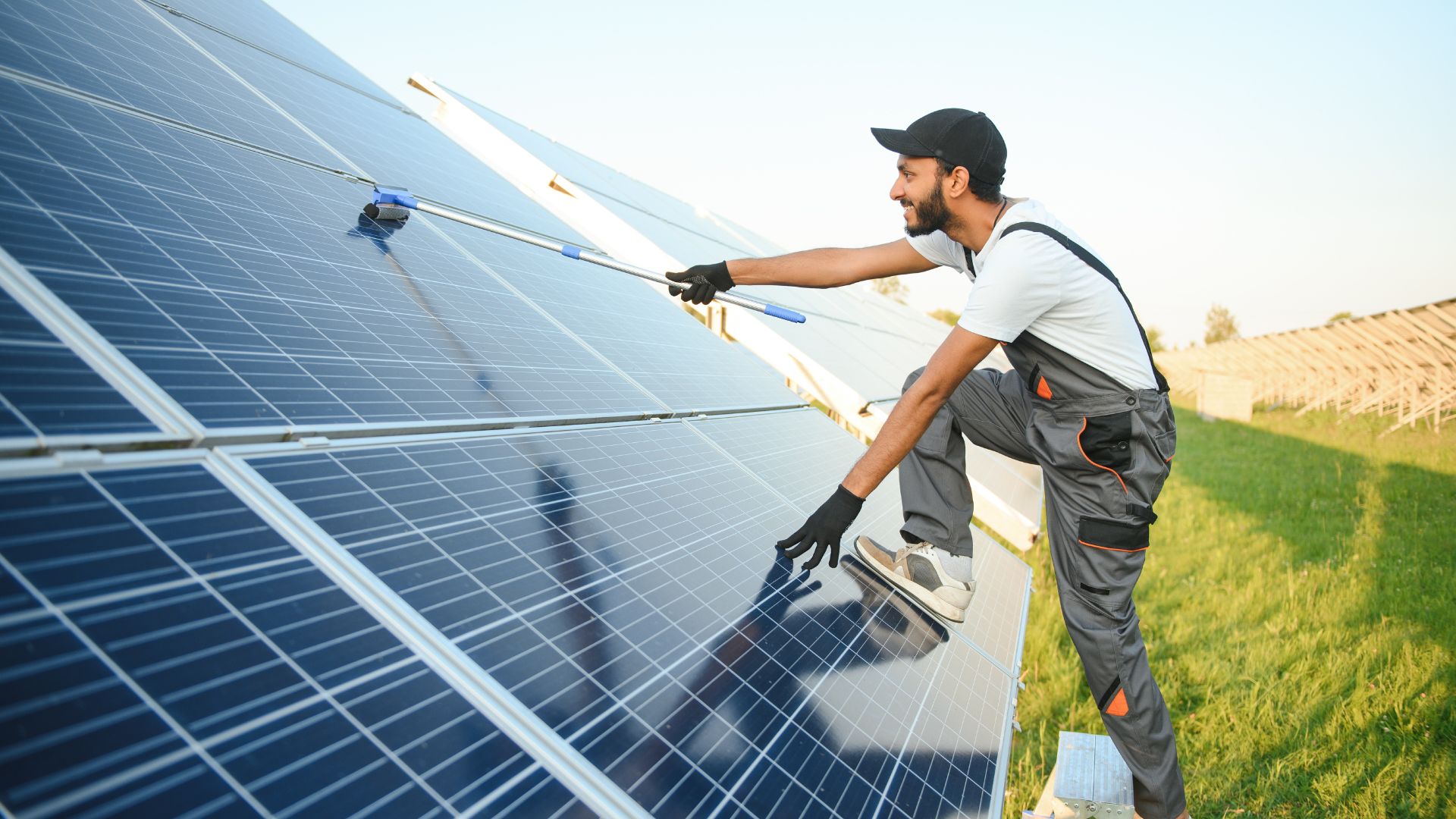
Some situations make professional cleaning the safer and more practical option, especially when access or buildup creates added risk.
Here are common cases where professional help makes sense:
Panels are hard to reach: Steep roofs, multiple stories, or tight rooflines increase fall risk.
Heavy residue is present: Bird droppings, sap, ash, or smog film can be difficult to remove without proper tools.
Performance drop continues: Ongoing low output after rinsing may point to deeper surface buildup.
Visible damage is nearby: Cracked glass, loose wiring, or worn seals should be handled by trained technicians.
Time or mobility limits: Physical limits or time constraints make roof work unsafe or impractical.
Whether cleaning is done personally or professionally, preventive habits help reduce how often panels need attention.
Tips to Keep Solar Panels Clean Longer
Once your panels are clean, small preventive steps can slow down how quickly dirt builds up again. Reducing the sources of debris around your home helps maintain steady performance between cleanings.
Here are practical ways to keep panels cleaner for longer:
Trim nearby trees: Cutting back branches limits falling leaves, pollen, and shade while discouraging birds from perching above the panels.
Add bird deterrents: Mesh barriers or critter guards around the panel edges prevent birds from nesting underneath and creating heavy droppings.
Check panel tilt when possible: On adjustable or ground-mounted systems, a slightly steeper angle helps dust and debris slide off more easily.
Schedule routine checks: Periodic visual inspections from the ground can catch buildup before it becomes severe.
Watch energy output: Regularly reviewing production data helps spot early signs of surface buildup.
Consider surface treatments: Anti-soiling coatings may reduce how strongly dirt sticks to the glass.
Simple maintenance habits can reduce cleaning frequency and help panels stay clear between scheduled washes.
Wrapping Up
Keeping solar panels clean plays a direct role in how well your system performs over time. From dust and pollution to bird droppings and debris, surface buildup can quietly reduce production and savings if it goes unchecked.
Knowing when to clean, how to do it safely, and when to seek help makes it easier to protect your investment and avoid preventable issues. Not sure whether a recent drop in production is caused by surface buildup or something deeper? Skip the risk of climbing onto your roof.
Contact California Home Solar for a professional evaluation and clear guidance on keeping your system performing as it should.
FAQs
What is the best way to clean solar panels?
The best approach depends on access and buildup severity. For light surface dust, a gentle rinse may be enough. For stuck-on residue, soft-contact cleaning with water is preferred. Any method should avoid pressure, abrasion, and harsh chemicals that can damage panel surfaces.
How much does solar panel cleaning cost in California?
Pricing varies based on panel count, roof height, access difficulty, and buildup level. In California, most residential cleanings fall within a moderate service range, with higher costs for steep roofs or large systems. Quotes are usually based on inspection rather than flat rates.
What is the 20% rule for solar panels?
The 20% rule often refers to noticeable production loss that signals a problem worth addressing. When output drops by this margin without weather changes, surface buildup, or shading is commonly involved and should be checked before assuming equipment failure.
What is the best cleaner to clean solar panels?
Plain water is often enough. If a cleaning solution is needed, only mild soap or products labeled safe for solar glass should be used. Standard window cleaners, degreasers, and chemical agents can damage surface coatings and leave residue.
What is the solar 120% rule?
The 120% rule relates to electrical code limits for how much solar power can be connected to a panel relative to its rating. It is a design and permitting guideline, not a maintenance rule, and does not affect how or when panels should be cleaned.