Going solar was meant to reduce stress, yet you might be checking your production numbers and wondering why they don’t match what you expected. Dust, smog, bird droppings, and long dry spells in Southern California can quietly build up on panels, leaving you unsure whether your system needs attention or if something is wrong.
Studies show that dust can cut solar panel energy output by 10% to 40%, depending on how heavy the buildup is, what the particles contain, and how long panels go without cleaning. In places like Los Angeles, where rain is limited and air pollution is common, those losses can happen faster than many homeowners realize.
In this blog, we’ll explore whether solar panels really need maintenance, how cleaning and monitoring work in Southern California conditions, the most common issues to watch for, what you can handle on your own, and when professional support helps protect your system and long-term savings.
Key Takeaways
Solar panels need routine care to avoid steady power loss and higher electric bills.
Dust, smog, ash, and long dry seasons make maintenance more important in Southern California.
Cleaning helps restore output, while monitoring and inspections catch electrical issues early.
Skipping maintenance often costs more over time than basic cleaning and checkups.
Working with an experienced local solar contractor helps protect your system and long-term savings.
Do Solar Panels Really Need Maintenance?
The short answer is yes. Solar panels are built to last, yet they are not maintenance-free. Over time, dirt, debris, and small electrical issues can reduce how much power your system produces and quietly increase your electric bill. Skipping basic care rarely causes sudden failure, but it often leads to steady performance loss and avoidable repair costs.
Here are the four main reasons solar panels need maintenance:
Energy Output Loss Adds Up
Dust, pollen, and bird droppings block sunlight from reaching the cells. When less light reaches the panels, less power is produced. In California, heavy buildup has been shown to cut output by 10% to 40%. If your system is meant to save you $300 a month, a 20% drop means about $60 lost each month; money that never comes back.
Cleaning and Electrical Health Are Different Needs
Solar maintenance falls into two areas. Cleaning addresses surface buildup that shades panels. Electrical health focuses on wiring, connections, and inverters that keep power flowing safely. You can’t fix electrical issues by rinsing panels, and clean panels won’t help if a connection has failed.
Warranty Coverage Depends on Reasonable Care
Most quality solar panels come with 25-year warranties, yet many include “reasonable care” language. If a panel develops damage after sitting under debris for years, a manufacturer may question the claim. Routine maintenance creates a record that shows the system was properly cared for.
Long-Term Wear and Safety Risks
Panels can last 25–30 years, but neglect can shorten that timeline. Loose mounts, damaged wiring, or pest activity may start small and grow into safety concerns if ignored. Regular checks help catch these issues before they turn expensive.
Maintenance needs do not look the same everywhere, especially when local weather and air conditions place extra strain on solar panels.
Also Read: 5 Reasons to Go Solar
What Makes Solar Panel Maintenance Different in Southern California?
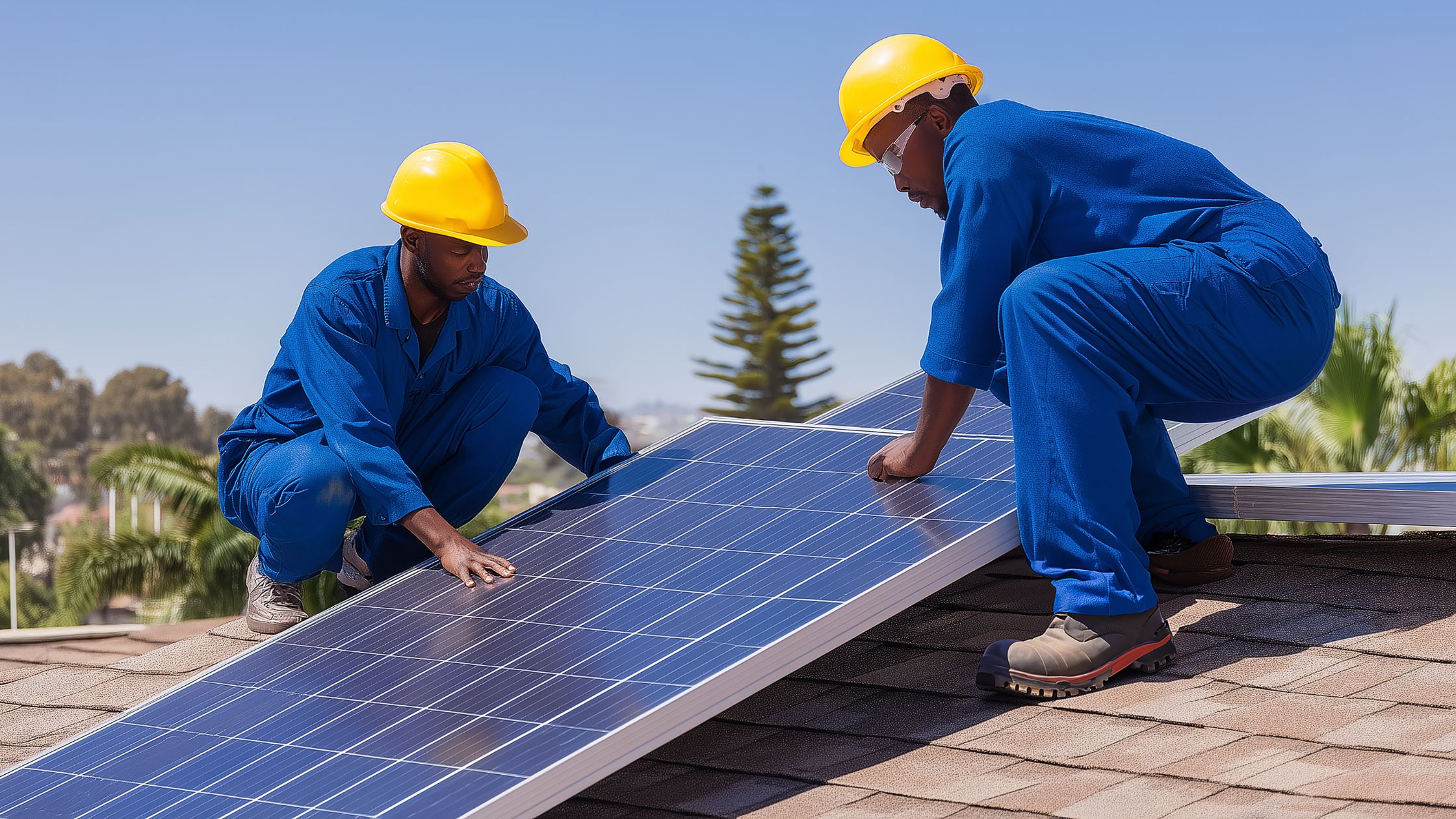
Solar panels in Southern California deal with challenges that homeowners in rainy regions rarely face. Long dry stretches, air pollution, and seasonal events all affect how well panels perform over time. Without regular attention, these conditions can cause buildup and wear that quietly reduce power production.
Here are the local factors that make solar panel maintenance more important in Southern California:
Drought and limited rainfall: Six to eight months can pass without meaningful rain, allowing dust to settle on panels every day. Near freeways or construction areas, this buildup happens even faster and blocks sunlight from reaching the cells.
Smog and air pollution: Urban smog contains oily particles from traffic and industry. When this film settles on panels, it sticks to the glass and is harder to rinse away than normal dust. Light moisture can turn it into a stubborn residue that bakes on under the sun.
Wildfire ash exposure: During fire season, ash can blanket rooftops across the region. Ash is opaque and chemically aggressive, and larger flakes can cover entire cells. Fine ash mixed with morning moisture can harden into a paste that is difficult to remove once dry.
Coastal salt air: Homes closer to the ocean face salt buildup that can affect mounts, wiring, and metal components over time if not inspected.
Strong seasonal winds: Santa Ana winds can blow debris onto panels and place stress on mounting hardware, making routine checks important after windy periods.
Knowing what affects your panels leads naturally to deciding whether basic cleaning at home is enough or professional help makes sense.
Also Read: Home Improvements & Solar Go Hand in Hand
Cleaning Solar Panels Yourself vs Hiring a Professional
Cleaning is the most visible part of solar panel maintenance, yet it is also where many homeowners feel uncertain. You may want to keep panels clear without risking damage to the system or your roof. The right approach depends on access, build-up level, and safety.
Here are the key differences between handling cleaning yourself and hiring a professional:
Cleaning Approach | DIY Cleaning | Professional Cleaning |
Safety | Limited to ground level or easy roof access. Higher roofs increase fall risk. | Trained crews use proper safety gear and roof protection. |
Cleaning Method | Garden hose, soft brush, and mild water only. Hard water can leave residue. | Deionized water and tools designed for solar glass. |
Effectiveness | Works for light dust or pollen. Struggles with smog film or ash. | Removes heavy buildup, smog residue, and wildfire ash. |
System Inspection | Visual check only. Electrical issues often go unnoticed. | Includes inspection of panels, mounts, and visible wiring. |
Time and Effort | Requires personal time and physical effort. | Completed quickly with minimal homeowner involvement. |
Risk of Damage | Scratches or seal damage may occur if the tools are incorrect. | Low risk when handled by experienced solar technicians. |
When to Call a Professional?
Professional cleaning is the safer choice when panels are mounted on steep or high roofs, when buildup includes smog residue or wildfire ash, or when output drops without a clear cause. It also makes sense if you want an inspection of mounts, wiring, and panel condition at the same time. Calling a professional reduces safety risks and helps catch issues that basic cleaning cannot address.
Cleaning solves surface buildup, but it does not address what happens inside the system, which makes monitoring just as important.
Also Read: Buy or Lease Your Solar Panels? You need to know this.
Simple Ways to Monitor and Inspect Your Solar System
Solar panel maintenance goes beyond keeping the glass clean. Your system relies on electrical components and connections that need occasional checks to keep power flowing as expected. Monitoring and inspections help you catch small issues before they turn into lost production or repair costs.
Here are the main ways to keep an eye on system health:
Using Monitoring Apps to Track Performance
Most modern solar systems include monitoring apps that show how much power your system produces each day. These tools give you early warning signs when something changes.
Here are the key things to watch for in your monitoring app:
Weekly production checks: Open the app about once a week to confirm output looks consistent.
Panel-level differences: Systems with microinverters show each panel’s output. One panel producing less than the others often points to debris, shade, or a hardware issue.
Month-to-month patterns: Compare current production to previous months under similar weather conditions.
Year-over-year changes: A drop of more than ten percent compared to the same time last year may signal a problem worth checking.
Visual Inspections Around the Home
Digital monitoring works best when paired with occasional visual checks around your property. These do not require climbing on the roof.
Here are simple visual checks homeowners can perform:
Inverter status lights: Look for a steady green light on the inverter. Red or flashing lights suggest a fault.
Wiring and conduit condition: Check that conduits are secure and that no wiring is exposed to direct sunlight.
Mounting hardware stability: From the ground, look for panels that appear misaligned or loose after high winds.
Signs of damage: Cracks, discoloration, or debris buildup may indicate the need for service.
Monitoring often reveals patterns, and those patterns usually point to specific problems commonly seen on Southern California solar systems.
Also Read: Do You Want to Be a Hero? Making Energy Efficient Upgrades Affordable for Homeowners
5 Common Solar Panel Issues in Southern California
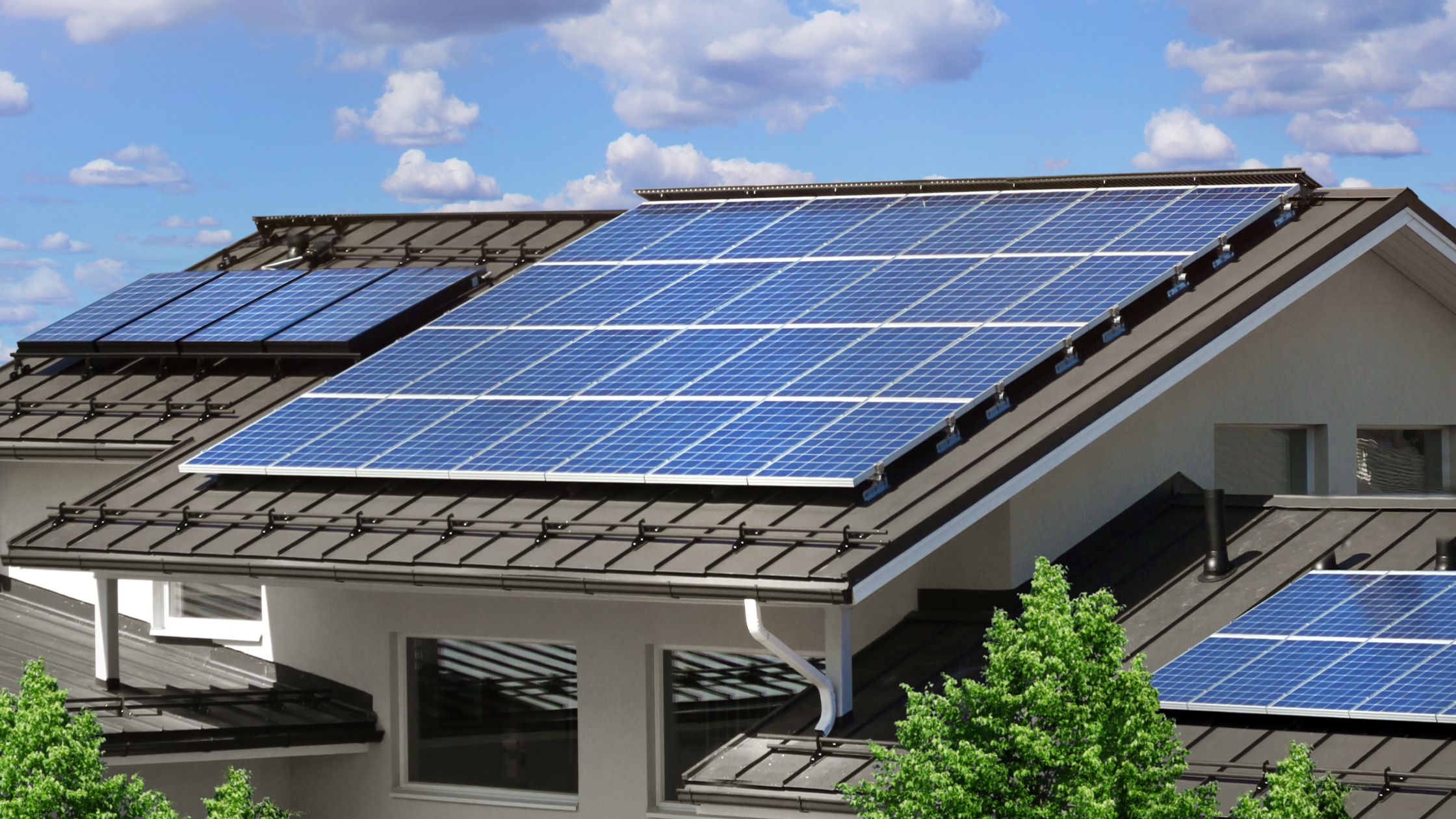
Local weather patterns, wildlife, and long dry periods create problems that show up again and again on solar systems across Southern California. Many of these issues start small and go unnoticed until production drops or safety concerns appear.
Here are the most common solar panel issues seen in the region:
Rodent damage to wiring: Rats and squirrels are drawn to the shaded, warm space beneath panels. Chewed wires can break connections, trigger arc faults, or shut systems down completely. Scratching sounds near the roof, or a sudden drop to zero production, can point to this issue.
“Snail trail” markings on panels: These streak-like discolorations come from micro-cracks inside the cells, not actual snails. They often result from physical impact or manufacturing defects and can reduce output over time.
Inverter problems: Inverters work continuously and tend to wear out sooner than panels. String inverters often need replacement around year ten to twelve, while microinverters usually last longer but can still fail.
Shading from plant growth: Trees trimmed years ago can grow back and cast shadows later in the day. Even partial shading in the afternoon can cut production more than many homeowners expect.
Debris and residue buildup: Dust, smog particles, bird droppings, and wildfire ash block sunlight and may require manual cleaning to restore normal output.
Since many issues follow predictable patterns, organizing maintenance by season helps you stay consistent without guessing what to check.
Also Read: Energy Efficient Remodeling -Multiple Funding Programs for Homeowners
Seasonal Solar Panel Maintenance Checklist
Solar panel maintenance becomes easier when it follows a simple seasonal rhythm. Southern California weather stays mild, yet each season brings conditions that can affect panel output and system health if ignored.
Here is a seasonal checklist tailored for Southern California homeowners:
Season | Focus Area | What to Check and Do |
Spring | Pollen buildup | Rinse panels to remove pollen before peak summer production. |
Tree growth | Trim branches near the roof to reduce future shading. | |
System review | Check inverter status lights and recent production data. | |
Summer | Peak production | Review monitoring apps weekly during high sun months. |
Airflow | Clear leaves or debris trapped under the panels. | |
Heat impact | Watch for output dips during extreme heat periods. | |
Fall | Ash and dust | Inspect panels after nearby fires and clean off residue. |
Wind debris | Remove branches or palm fronds after Santa Ana winds. | |
Pest activity | Look for signs of rodents nesting near the array. | |
Winter | Natural cleaning | Let rain wash panels, then confirm output remains steady. |
Roof check | After heavy rain, look for moisture inside the home. | |
Mount stability | Confirm panels appear secure after storms. |
With a clear routine in place, it helps to compare the actual cost of maintenance against what neglect often costs over time.
Also Read: Funding Programs help you Go Solar (and other Green Home Improvements)
The Cost of Maintenance vs. The Cost of Neglect
It is common to hesitate before paying for maintenance that does not feel urgent. Solar panels often keep running even when performance drops, which makes it easy to delay inspections or cleaning. Over time, that delay often costs more than the maintenance itself.
Here are the main cost comparisons to consider:
The Math Behind Skipped Maintenance
Consider a typical 6 kW home solar system that saves about $2,500 per year on electricity. If dirt, ash, and minor shading reduce output by 20 percent, that is roughly $500 lost each year. A professional cleaning usually costs between $150 and $250, and a full inspection costs around $200 every few years. In many cases, one service visit prevents more loss than it costs.
Typical Maintenance Expenses
Basic upkeep stays relatively affordable. Homeowners often spend $20 to $50 per year on simple supplies. Professional inspections usually range from $150 to $300 per visit, and minor repairs often fall between $100 and $200. These costs are small when spread over the life of a system.
What Neglect Can Lead To
Ignoring maintenance often brings higher utility bills as production drops. Warranty claims may be questioned without proof of care, leading to out-of-pocket expenses. In more serious cases, major repairs or panel replacement can cost thousands of dollars.
For commercial systems, the impact is even greater. A ten percent drop in output affects daily operations and cash flow, which is why many businesses choose scheduled maintenance to keep costs predictable.
Choosing who maintains your system matters, especially when local experience affects results and response time.
Also Read: Ready to upgrade your home energy systems? Go Green Financing can help!
Why Southern California Homeowners Trust CA Home Solar
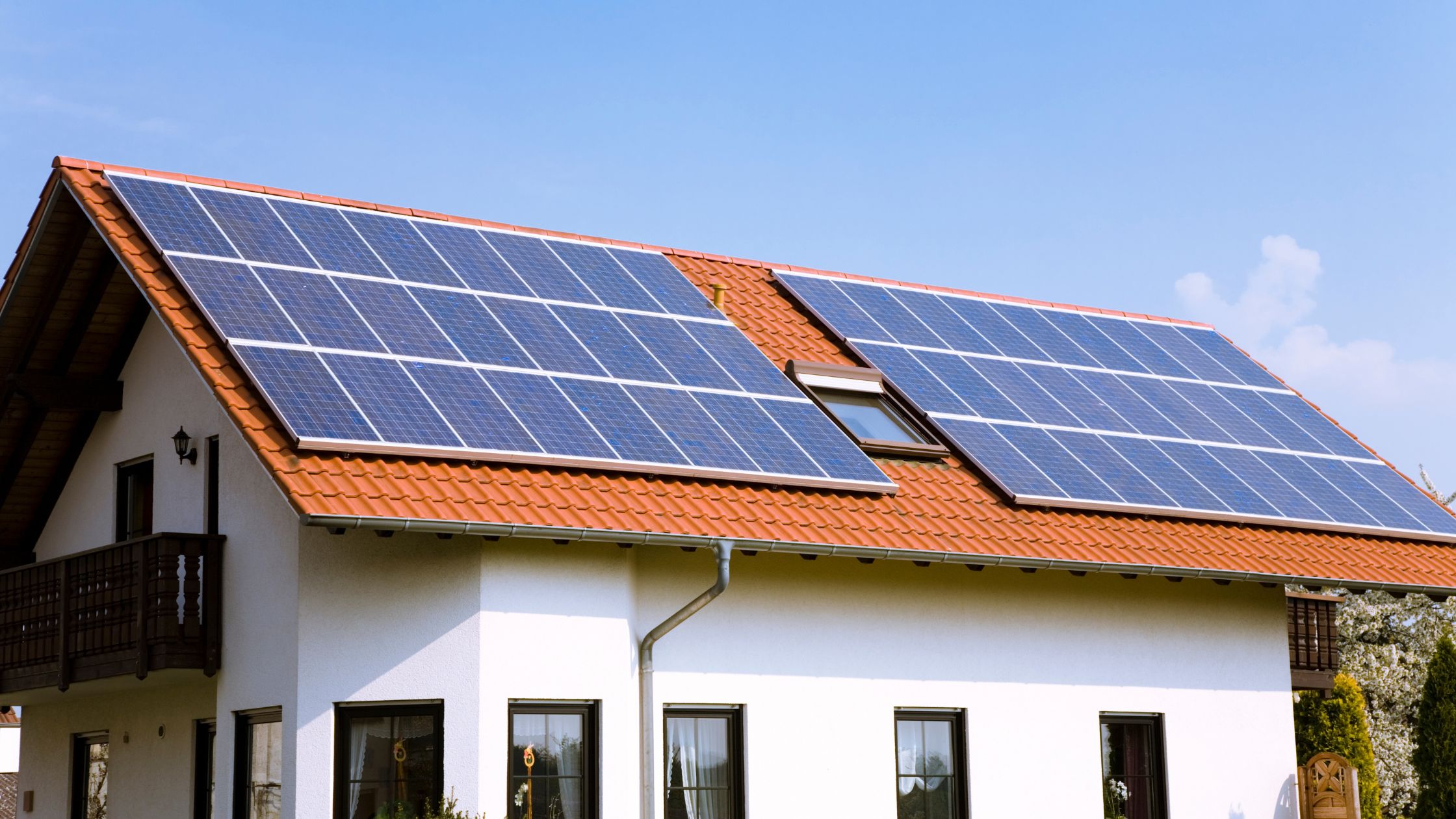
Choosing who installs and maintains your solar system matters just as much as the equipment itself. Homeowners across Southern California look for experience, local knowledge, and long-term support they can rely on year after year.
Here are the reasons many homeowners choose CA Home Solar:
Decades of local experience: With more than 36 years in the construction and solar industry, the team understands how Southern California homes, roofs, and weather affect solar systems over time.
Residential and commercial expertise: CA Home Solar works with both homeowners and businesses, handling everything from small rooftop systems to large commercial and ground mount installations.
End-to-end solar services: From system design and installation to inspections, maintenance, and repairs, all work is handled under one roof without third-party handoffs.
Roofing and solar knowledge combined: As part of a company rooted in remodeling and roofing, installations are designed to protect the roof structure and prevent leaks or mounting issues.
Proven reputation and recognition: The company has earned Top 500 solar contractor recognition and strong customer reviews across Southern California.
Local service coverage: Teams serve Los Angeles and surrounding communities, providing faster response times and familiarity with local building codes and utility requirements.
To see real projects, customer stories, and behind-the-scenes work, explore the CA Home Solar video gallery to get a closer look at how systems are installed and maintained.
Conclusion + Get a Free Quote
Solar panel maintenance does not need to be complicated, but it does need consistency. Simple steps like cleaning, monitoring, and periodic inspections help protect your system, reduce unexpected costs, and keep your energy savings on track year after year.
If you want a clear picture of your system’s condition or are considering professional support, contact CA Home Solar today.
FAQs
Do solar panels need maintenance after heavy rain?
Rain can rinse away loose dust, but it rarely removes smog residue, bird droppings, or ash. After storms, it is still a good idea to review your system’s output and visually check for debris or shifted panels.
Will solar panel maintenance affect my home insurance coverage?
Routine maintenance does not raise insurance costs. In many cases, documented care helps with claims if panels are damaged by storms, falling debris, or fire-related events, since it shows the system was properly looked after.
What happens to solar panel maintenance when I sell my home?
When a home is sold, maintenance responsibility transfers to the new owner. Having service records can make the system easier to explain during the sale and may help buyers feel more confident about the system’s condition.
Do solar batteries require the same maintenance as panels?
Solar batteries follow a different care schedule. They usually need periodic software checks, firmware updates, and visual inspections, but they do not require cleaning like panels since they are installed indoors or in protected enclosures.
Can HOA rules affect solar panel maintenance?
Homeowner associations may have rules about roof access, noise, or service scheduling. Maintenance itself is usually allowed, but it helps to review HOA guidelines before scheduling work, especially for multi-unit properties.