Going solar is simpler than most people think. A typical 1,500 square foot home needs about 15 to 20 solar panels to cover its energy needs. This range assumes 400-watt panels and typical energy usage patterns.
Solar no longer sits on the fringe of home planning. Around seven percent of U.S. homes already use it, and that share is expected to more than double by the end of the decade. What once felt optional now feels practical.
The real question comes down to scale. Panels need to fit your roof, your usage, and your goals. This guide walks through how many solar panels a home typically needs, and how to think through the numbers with confidence.
Key Takeaways
A 1,500 sq ft home needs 15-20 panels (400-watt), a 2,000 sq ft home needs 20-24 panels, and a 2,500 sq ft home requires 25-30 panels. These ranges account for typical usage and system efficiency losses.
Two identically sized homes can differ by 50% in energy use. Request your last 12 months of utility bills to calculate accurate panel requirements based on actual kilowatt-hours, not home size estimates.
Full 100% offset is rarely recommended. Utilities cap system size based on historical usage, and targeting 90% coverage delivers better financial returns than oversizing for complete offset.
Storage changes when you use solar power, not total production. Extra panels are only needed for extended backup goals, like 2-3 days of whole-home coverage during outages.
Easy Way to Calculate How Many Solar Panels You Need
The calculation follows a simple structure. It uses three inputs: annual electricity use, panel wattage, and average sunlight hours.
Basic formula: Annual kWh ÷ (Peak Sun Hours × 365) ÷ Panel Wattage = Number of Panels
For most California homes, average sunlight works out to about 5.5-7.5 peak sun hours per day over a year. Modern residential panels commonly produce 400 watts, or 0.4 kilowatts.
Examples by Home Size
Here's how this plays out for different home sizes:
1,200 Square Foot Home: A smaller home using about 8,400 kWh per year in a location with 5 peak sun hours needs roughly 12 panels. That's 8,400 ÷ 1,825 ÷ 400 = 11.5 panels.
After efficiency losses and system design: 12 to 14 panels
1,500 Square Foot Home: The average 1,500 square foot home consumes around 10,500 kWh annually. With 5 peak sun hours daily, you need about 14 to 15 panels. The math: 10,500 ÷ 1,825 ÷ 400 = 14.4 panels.
After efficiency losses and system design: 15 to 20 panels
2,000 Square Foot Home: A 2,000 square foot home typically uses 12,000 kWh per year. Using the same sunlight conditions, that translates to 16 to 17 panels. Calculation: 12,000 ÷ 1,825 ÷ 400 = 16.4 panels.
After efficiency losses and system design: 20 to 24 panels
2,500 Square Foot Home: Larger homes consuming 14,000 kWh annually need approximately 19 to 20 panels. The formula gives us 14,000 ÷ 1,825 ÷ 400 = 19.2 panels, rounded to 20 panels.
After efficiency losses and system design: 25 to 30 panels
When Square Footage Stops Being Useful
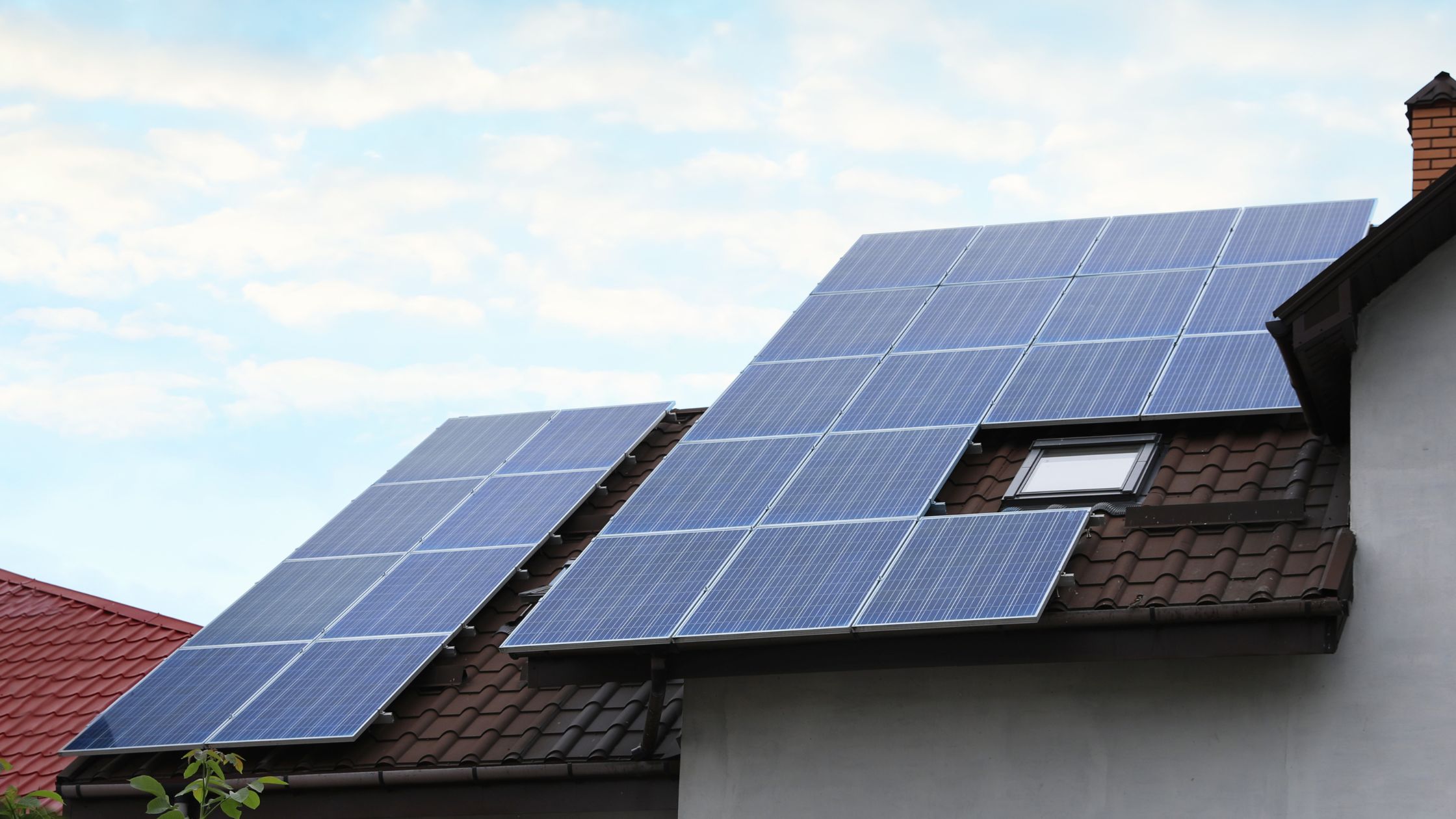
Home size gives a rough starting point for solar planning. But that's just an estimate, and installers move past it quickly once they see real data.
Two 2,000 square foot homes can have electricity bills that differ by 50% or more. One family might use 10,000 kWh per year while their neighbor uses 15,000 kWh. Square footage can't capture those differences.
Why Usage History Matters More:
Electric heating or gas heating creates massive consumption gaps
Air conditioning runtime varies based on insulation and temperature preferences
Appliance efficiency differs wildly between older and newer homes
The number of occupants and their daily routines drive actual usage
Home offices, workshops, or hobby spaces add unpredictable loads
Installers request 12 months of utility bills during the proposal phase. The data shows seasonal patterns, peak usage months, and total annual consumption. A year of history eliminates the guesswork that square footage introduces.
When Square Footage Still Helps:
Initial research before contacting installers
Ballpark budget estimates for financial planning
Comparing your situation to general statistics
Determining if your roof has enough space for the estimated panel count
Once you're past the research phase, shift your focus to kilowatt-hours. That number tells the real story of what your system needs to produce. Square footage helped you start the conversation. Usage data completes it.
How to Calculate Your Energy Usage Patterns
Energy usage patterns explain how power is used across the year, not just how much is used in total. This step turns past bills into a clear planning tool.
Start With Your Last 12 Months of Electric Bills
Collect a full year of statements from your utility
Note the total kilowatt-hours used each month
Identify seasonal highs and lows, especially the summer cooling months
This shows how demand shifts throughout the year.
Calculate Your Annual and Monthly Averages
Add all 12 monthly kWh totals for annual usage
Divide by 12 to find your average monthly consumption
Flag months that run far above average
High months often drive system sizing.
Identify Major Energy Drivers
Cooling and heating equipment
Water heating method
Electric vehicles or charging plans
Pool pumps or outdoor equipment
Home office or specialty loads
These loads explain why usage rises or falls.
Account for Near-Term Changes
Planned EV purchases
Home expansions or renovations
Appliance upgrades
Family size changes
Future demand should be included before final system sizing.
Translate Usage Into Solar Output Needs
Use annual kWh as your primary sizing input
Adjust for expected production losses
Leave a small buffer for growth and panel aging
This approach replaces assumptions with evidence. Once energy usage patterns are clear, solar panel count becomes a straightforward calculation rather than a guess.
Other Key Variables That Affect Your Solar Panel Count
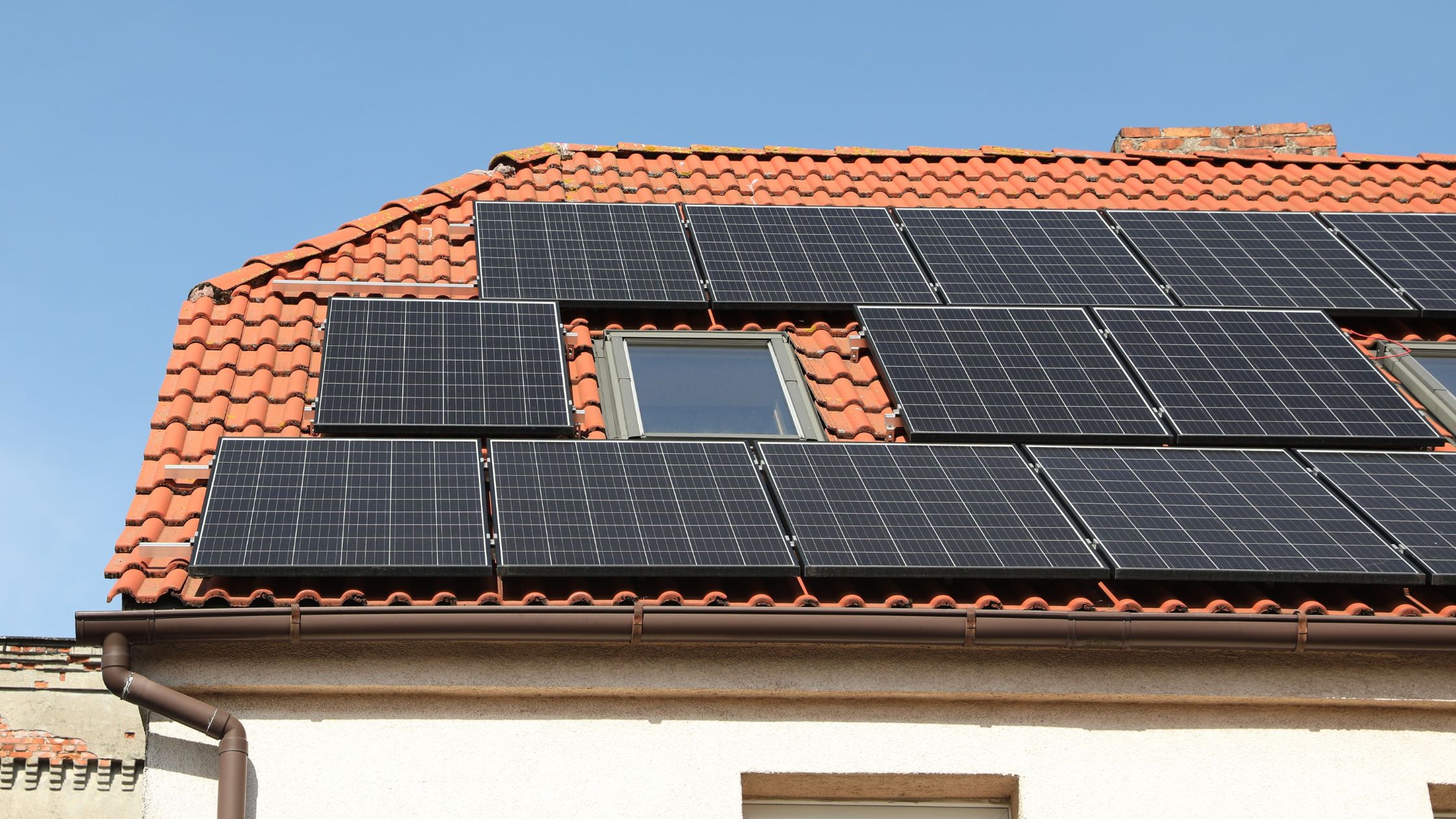
Solar panel count is never a fixed number. It adjusts based on space, energy use, location, and the type of panels selected for the system.
Roof Space Requirements:
Each 400-watt panel measures approximately 17.5 square feet
A 15-panel system needs roughly 262 square feet of usable roof area
Add 20% extra space for proper panel spacing and maintenance access
Portrait vs. landscape orientation can affect how panels fit your roof layout
Obstructions such as vents, skylights, and chimneys reduce the available installation area
Location and Climate Impact:
Southern California homes get 5.5 to 6.5 peak sun hours daily on average
Coastal regions see less variation between summer and winter production
Inland areas experience higher temperatures that reduce panel efficiency by 10% to 15%
Northern California locations receive 4.5 to 5.5 peak sun hours
Desert climates offer maximum sun exposure but face heat-related efficiency losses
Panel Wattage Options:
350-watt panels work for tighter roof spaces but require more units
400-watt panels represent the current market standard for residential systems
425 to 450-watt panels reduce installation footprint but cost slightly more per panel
Higher wattage means fewer panels needed to reach your target capacity
Premium panels offer better warranties and longer-term performance guarantees
Panel Degradation Over Time:
Solar panels lose efficiency slowly as they age. This gradual decline affects long-term production and plays into initial sizing decisions.
Most panels degrade at roughly 0.5% to 0.8% per year.
A system producing 10,000 kWh in year one might generate 9,850 kWh in year five and 9,500 kWh in year ten. The decline is steady but manageable.
Degradation Rates by Panel Quality:
Premium tier panels – 0.25% to 0.4% annual degradation
Standard tier panels – 0.5% to 0.6% annual degradation
Budget tier panels – 0.7% to 1.0% annual degradation
Installers account for this by slightly oversizing systems at installation. A home needing 14 panels based on pure math might get 15 or 16 to maintain target production over 25 years. This buffer protects your offset percentage as panels age.
Why Oversizing Helps:
Maintains bill savings even as efficiency drops
Compensates for unexpected losses from dirt or minor shading
Accounts for potential increases in household electricity usage
Keeps production above utility minimums for net metering benefits
Panel warranties reflect this reality. Most manufacturers guarantee 85% to 90% of the original output after 25 years. The slow decline rarely affects day-to-day savings, but it shapes how professionals size systems from the start.
What Percentage of Your Electric Bill Can Solar Realistically Cover?
Most residential systems are designed to offset 80% to 95% of annual electricity use, not the full 100%.
A full offset sounds appealing, but it often leads to oversizing. Utilities may limit how much excess power you can export, and usage patterns change over time. Homes also consume more energy in some years due to weather, appliances, or lifestyle changes.
Targeting slightly under full offset keeps systems efficient, cost-effective, and aligned with utility rules. It also avoids paying for capacity that rarely gets used.
When Battery Storage Changes Panel Count
Batteries do not create electricity. They store what panels already produce.
In most cases, adding a battery does not require more panels if the goal is evening use or outage backup for essential loads. Panel count only increases when the goal includes extended backup or full home coverage during outages.
Batteries change when you use solar power, not how much you produce. This distinction confuses many homeowners during the planning phase.
A standard solar system without storage sends excess daytime production to the grid. You draw power back at night, using net metering to balance the exchange. Batteries let you store that daytime surplus instead.
How Storage Affects System Design:
Batteries don't require additional panels for basic offset goals
Backup coverage during outages needs extra capacity beyond daily usage
Full home backup for 2 to 3 days can add 30% to 50% more panels
Partial backup targeting essential circuits needs fewer panels
Time-of-use rates make storage valuable even without increasing system size
California's NEM 3.0 policy shifted the economics toward storage. Exporting power to the grid now earns roughly 75% less than it did under previous rules. Batteries capture production that would otherwise get low credit values.
Suggested Read: Want Reliable Funds for Energy Efficient Home Upgrades? Look no further
Solar Panel Installation Requirements and Limitations
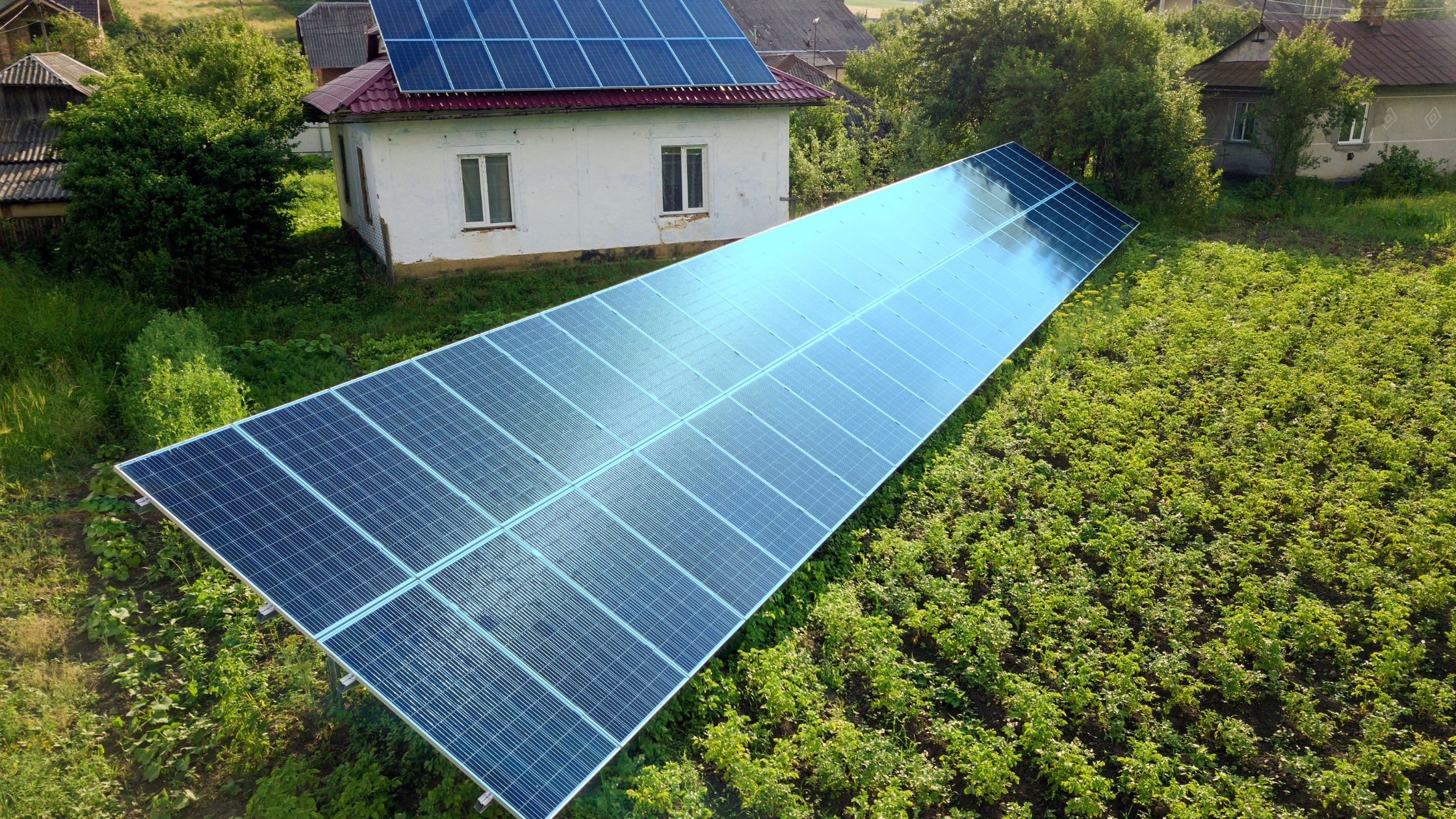
Not every roof can support solar panels the way homeowners hope. Physical conditions, regulations, and structural factors all play a role in what gets installed.
Roof Compatibility Factors:
Asphalt shingle roofs handle installation easily and last 20 to 30 years
Tile roofs require specialized mounting hardware and experienced installers
Metal roofs work well, but require specific clamps to avoid penetrating the surface
Flat roofs require tilted racking systems to optimize panel angle
Roofs older than 10 years may need replacement before solar installation
Weight capacity must support 3 to 4 pounds per square foot for panels and mounting
Structural Evaluations:
Engineering assessment confirms your roof can handle the added load
Rafter spacing and condition determine mounting point placement
Some older homes need reinforcement before panels go up
Attic ventilation requirements must be maintained after installation
Building permits verify structural adequacy before work begins
Shading Analysis:
Trees blocking sunlight for more than 3 hours daily can further reduce system output by a small margin
Morning shade has less impact than afternoon shade in most locations
Seasonal sun paths change, which areas stay clear throughout the year
Microinverters or power optimizers minimize losses from partial shading
Professional shading analysis uses tools to predict annual production accurately
Utility and Regulatory Restrictions:
Some homeowner associations limit panel visibility from the street
Historic districts often prohibit solar installations or require special approval
Net metering policies vary by utility and affect your financial returns
Interconnection agreements can take 30 to 90 days for utility approval
System size caps exist in some areas based on your historical consumption
Budget Considerations:
Total system costs range from $15,000 to $30,000 before incentives for typical homes
Federal tax credit covers 30% of installation costs through December 31, 2025, under the One Big Beautiful Bill
California offers additional state rebates and local utility incentives
Financing options include cash purchase, solar loans, leases, and power purchase agreements
Payback periods typically run from 6 to 10 years, depending on electricity rates
Physical Installation Constraints:
North-facing roof sections produce 30% less energy than south-facing areas
Chimneys, vents, and skylights create gaps in the panel layout
Electrical panel upgrades might add $1,500 to $3,000 if the current capacity is insufficient
Ground-mounted systems work when roof space is limited, but they need yard space
Suggested Read: Buy or Lease Your Solar Panels? You need to know this.
How CA Home Solar Can Help You
CA Home Solar handles every step of your solar installation, from initial design and permitting to utility activation and long-term support, serving Southern California homeowners with local expertise.
What Sets Us Apart:
Local California expertise: Deep familiarity with state-specific utility structures, permitting workflows, inspection requirements, and interconnection timelines.
End-to-end project management: Site evaluation, system design, installation, permit coordination, and utility activation are handled by one accountable team.
Usage-based system sizing: Designs rely on your actual 12-month electricity history, ensuring systems align with real consumption patterns rather than assumptions.
Financing options that reflect utility realities: Access to financing structures designed to stabilize monthly energy costs in regions with rising electricity rates.
Roof assessment built into planning: Roof condition, remaining lifespan, and structural readiness are evaluated early to avoid downstream issues.
Ground-mount solutions when roofs fall short: Alternative designs for properties with limited roof space, heavy shading, or structural limitations.
Ongoing ownership support: Guidance on system monitoring, performance expectations, and troubleshooting after installation is complete.
Licensed and insured California contractor: Full compliance with state building codes, safety standards, and utility requirements throughout the project lifecycle.
The focus stays on delivering systems that work reliably within California’s real-world conditions, not just on day one, but over the long term.
Conclusion
Solar panel sizing works best when decisions follow real usage, roof conditions, and long-term goals. Square footage starts the conversation, but kilowatt-hours, sunlight, and system design finish it.
With the right inputs, solar becomes predictable, measurable, and easier to plan. Clear sizing removes guesswork and helps systems perform as expected for years.
CA Home Solar manages the complete installation process for Southern California homeowners.
We handle site evaluation, system design based on your utility history, permit coordination with local authorities, professional installation, and utility interconnection. Our team knows California's building codes, grid requirements, and financing structures.
If you're still not sure how to accurately size a system or calculate potential savings, connect with us today. We'll schedule a free consultation and walk through your usage history, roof conditions, and financing options to find the exact solution that fits your home and budget.
FAQs
1. How many solar panels does it take to power an average house?
Most homes need 15 to 25 panels, depending on annual electricity use, roof space, sunlight exposure, and panel wattage.
2. Can solar panels fully power a house?
Yes, but systems usually target 80% to 95% offset to avoid oversizing and utility limitations on excess generation.
3. Does house size determine how many panels I need?
House size provides a starting estimate. Actual panel count depends more on kilowatt-hour usage from past utility bills.
4. Do higher-watt panels reduce the number of panels needed?
Yes. Higher-watt panels produce more power per unit, allowing fewer panels to meet the same energy needs.
5. How does location affect the number of solar panels required?
Homes with stronger sunlight need fewer panels. Areas with lower sun exposure require larger systems for the same output.